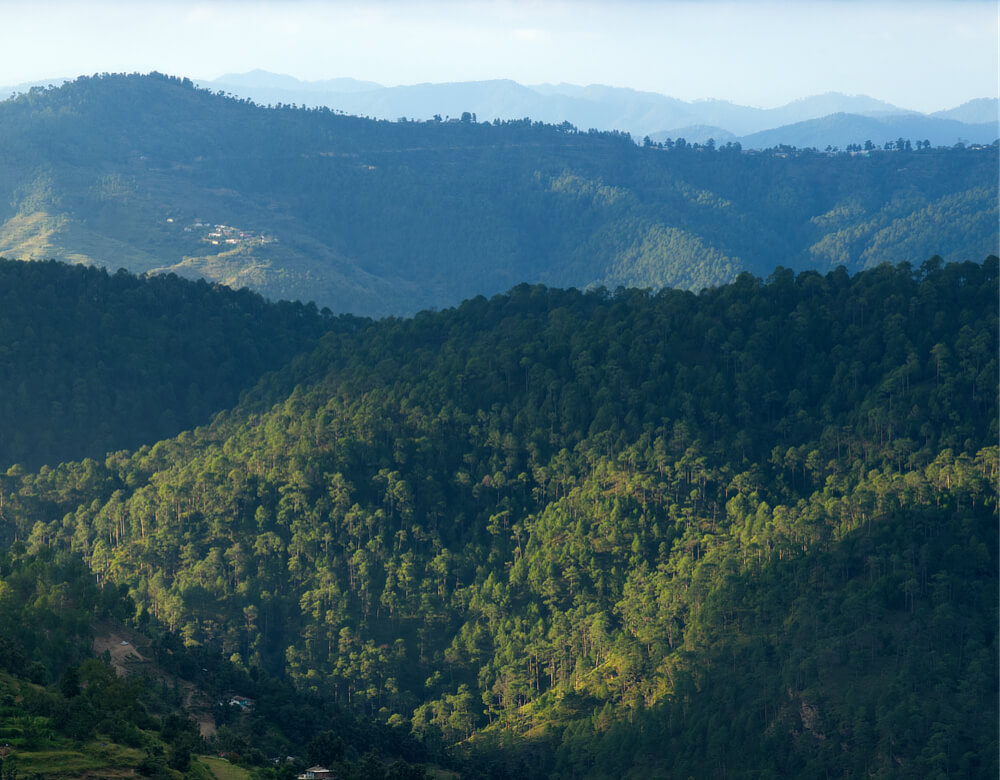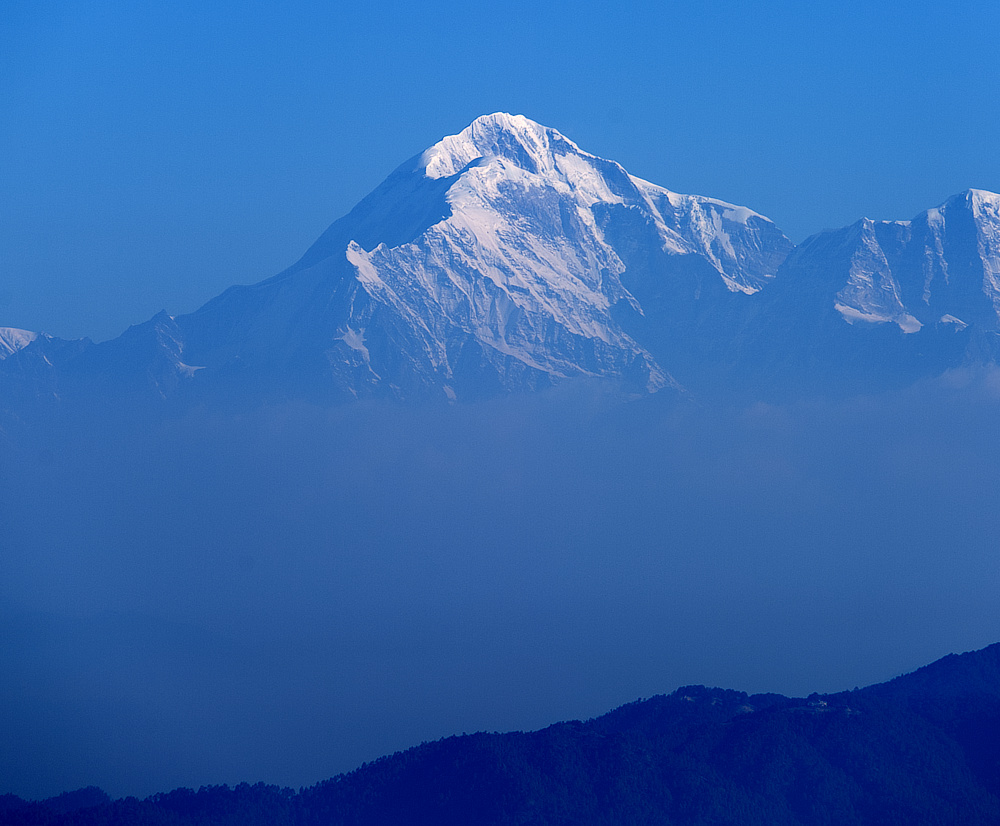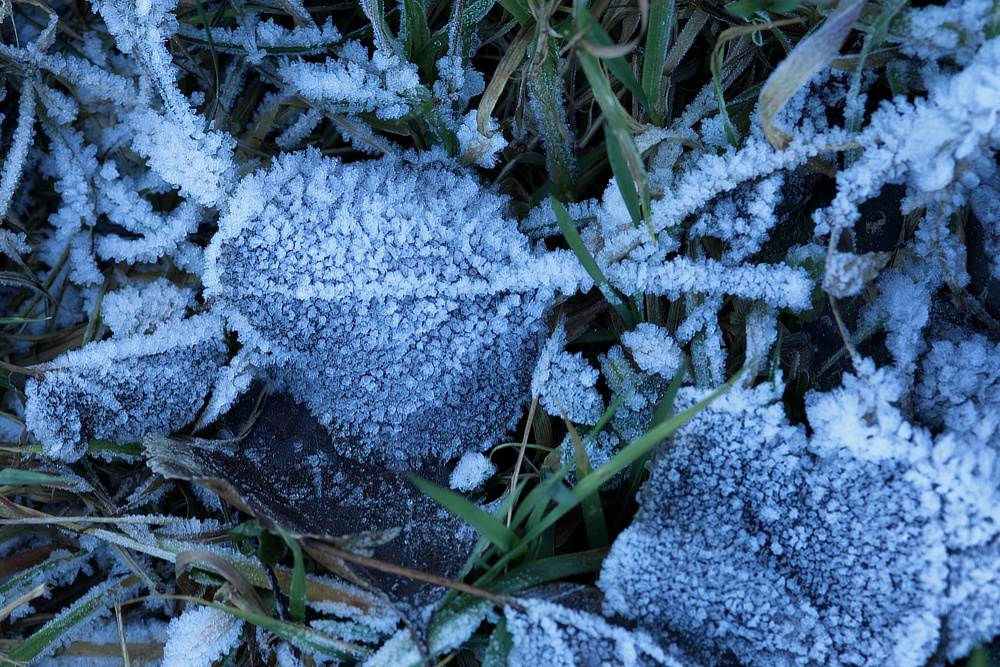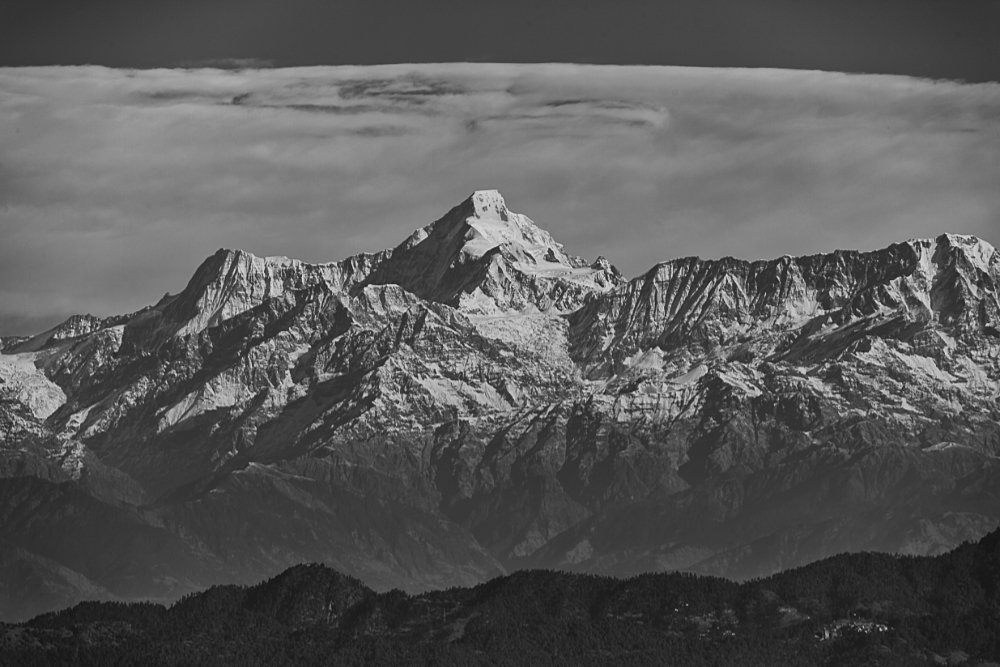
Lazy Time beneath the Winter Sun

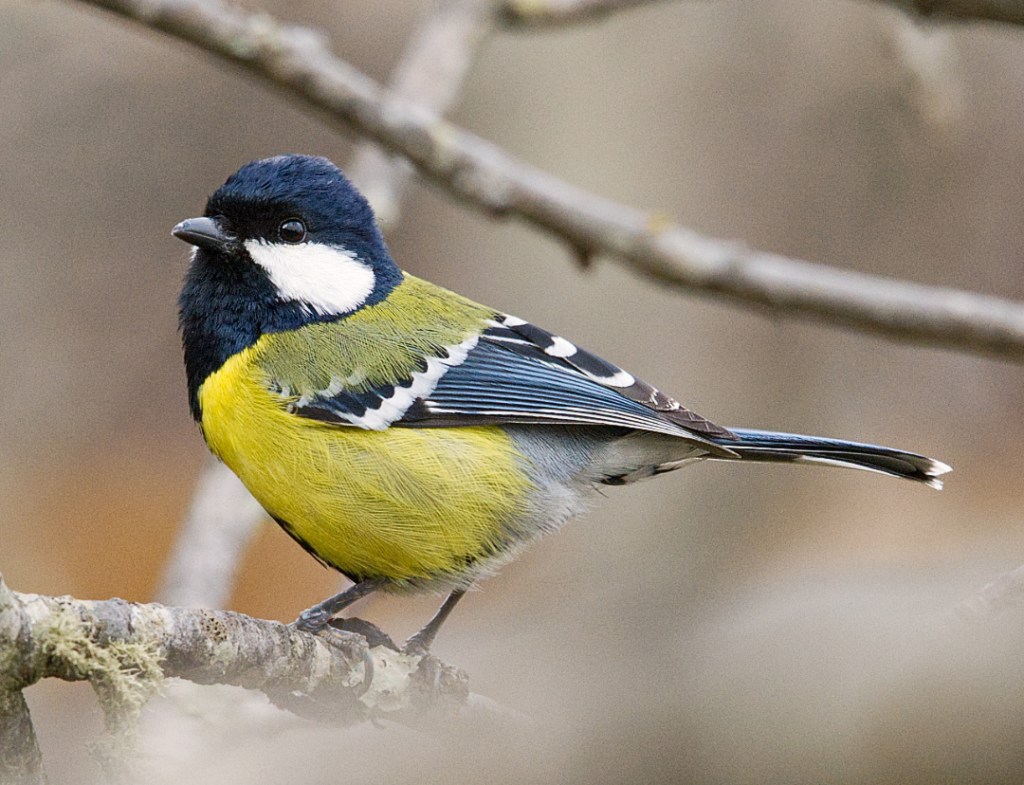
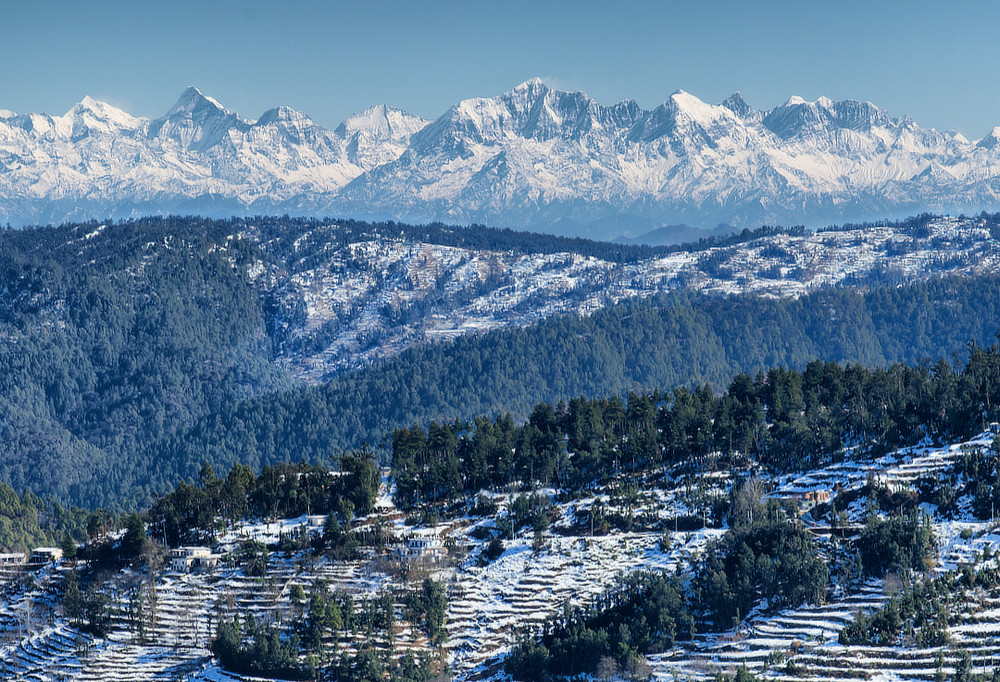
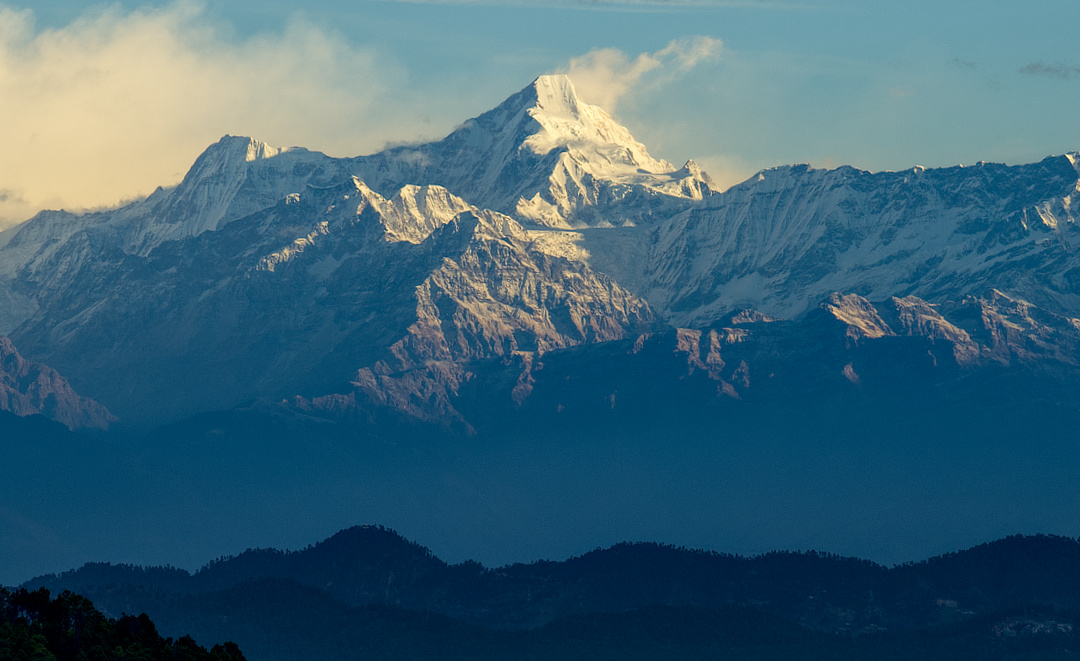
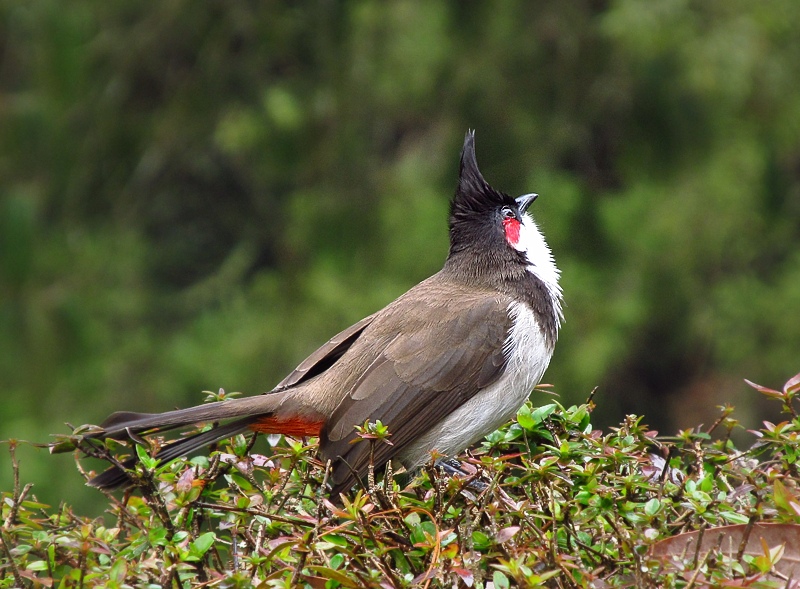
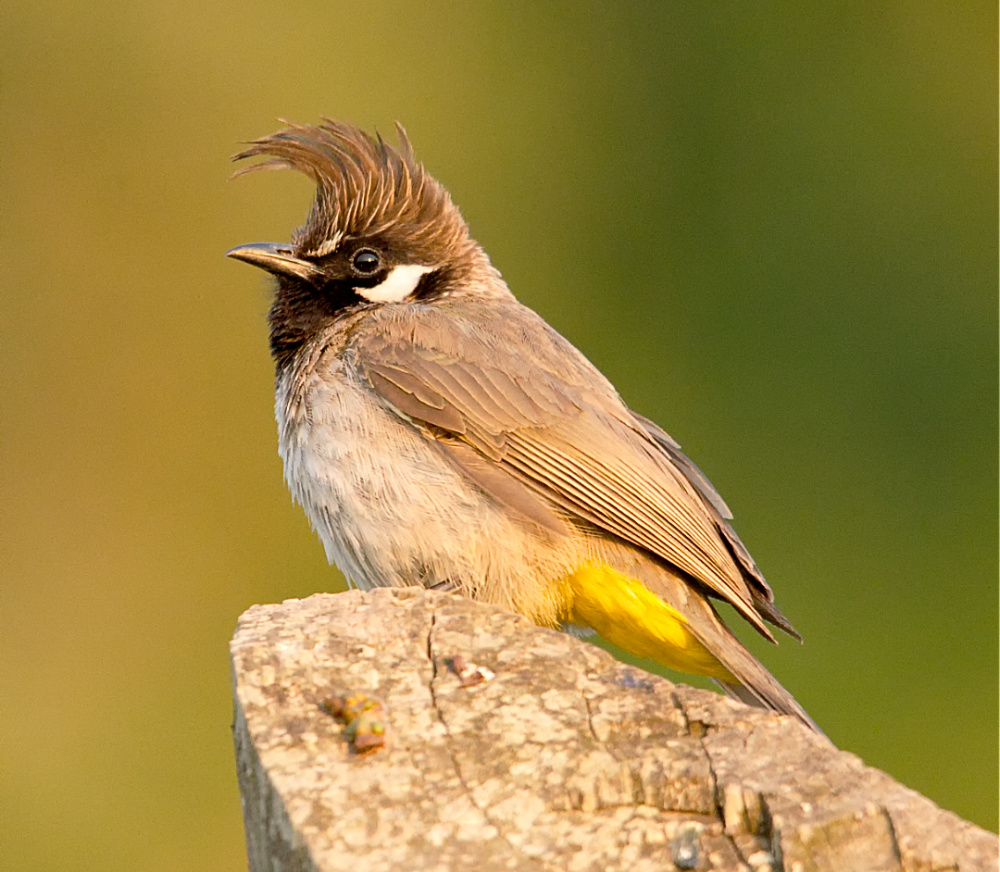
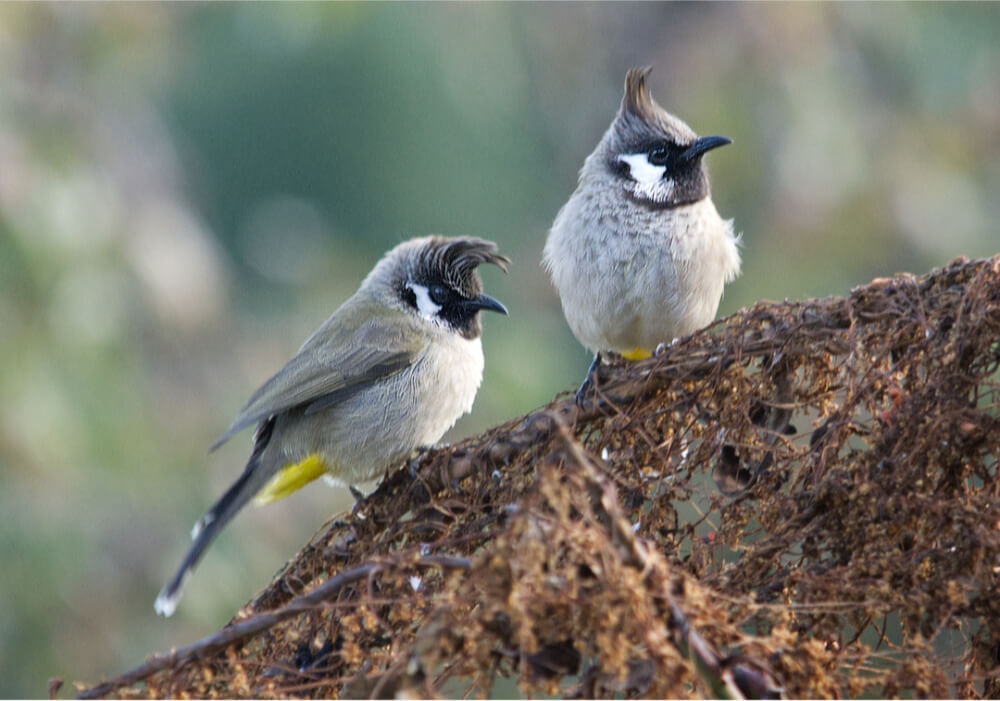
Basking beneath the winter sun, with the boundless blue sky above, becomes a cherished ritual of mine. Through the tranquil morning, I lounge, immersing myself in the gentle warmth that envelopes my surroundings. While engrossed in a book, I occasionally succumb to a fleeting nap, only to be roused by the sweet melody of a bird—a green-backed tit, gracefully hopping amidst the now dormant apple tree.As the leaves have descended, and the fruit trees slumber, I, unlike them, find myself awakened by these chirping serenades. Blue-whistling Thrush, and a Bulbul also join in creating a lovely ensemble. The sun’s benevolent rays, though inviting, occasionally yield to the passing clouds, imparting a touch of chill to the air. Rotating my chair intermittently, I ensure each facet of my being partakes in the sun’s nurturing embrace. This is a habit I caught on from a friend of mine who visits me from time to time from Almora. It’s akin to turning over again and again while taking a sunbath, but with the clothes on.

In these sun-soaked moments, contemplations drift through the recesses of my mind. The grass, gradually donning a golden hue, reveals the onset of wintry cold. Mornings unveil a delicate frost, swiftly vanquished by the touch of sunlight. Observing a diminutive bumblebee amid the wildflowers, I note its rhythmic dance between sunlit and shaded realms, seeking nectar. A tiny mouse rushes by.

A lazy day is good that it gives me time to admire what nature has to offer. I can also meditate on such instances and feel energized.

Thus, the radiant warmth of the sun, cherished by all, unfolds a sensory tapestry—where nature’s subtleties and the symbiosis of warmth and cold converge in the tranquil theater of winter days. The satisfaction of living a slow life is further enhanced on days like these, thanks to a bright winter sun.

Click here for all related posts – Browse my blog on slow and sustainable living !
Hot Chocolate on a Winter Evening

Hot chocolate, to me, is the epitome of pure enchantment. It’s astonishing how readily available cocoa is, yet the art of crafting a truly exceptional cup of hot chocolate seems to elude many. Picture this: a perfect winter evening unfolds with a steaming mug of hot chocolate cradled in my hands, an aged book—preferably a gripping murder mystery set in the bygone British era—and the comforting crackle of a warming fire.

To elevate the experience, the hot cocoa must transcend the mundane; it should be an alchemy of rich cocoa and milk, not merely a casual mixing. The cocoa should be brewed and not just mixed in hot milk. And let’s be clear – a sin it is to present hot chocolate without a generous infusion of sweetness. Extra sweetness, to be precise, transforming each sip into a heavenly indulgence, with the warmth penetrating to the very core.

For the ultimate feel, I insist on brewing my hot chocolate to piping hot perfection. While marshmallows and chocolate pieces aren’t obligatory, their presence in the velvety depths of the drink is nothing short of delightful. And the ritual wouldn’t be complete without a woolen blanket draped over my legs, cocooning me in warmth and comfort.

This moment of bliss demands simplicity. No accompaniments of cookies or cakes intrude upon the sanctity of the experience. Just an oversized mug cradling the essence of pure, unadulterated hot chocolate. The world outside fades away as I savor each sip, the magic of cocoa dancing on my taste buds, and in that serene simplicity, my evening is truly made.

Click here for all related posts – Browse my blog on slow and sustainable living !
Green Guest Practices

Green travel is all about being kind to our planet and the people who live on it. It means picking ways to travel that don’t hurt the Earth. This can be done by using less energy and creating less waste. You can stay in places that care about the environment (similar to our homestay), or buy things from local shops to help the people who live there.

In this article, we’re going to discover lots of ways to travel in a green and Earth-friendly way. It’s easier than you might think, and together, we can make a big difference!

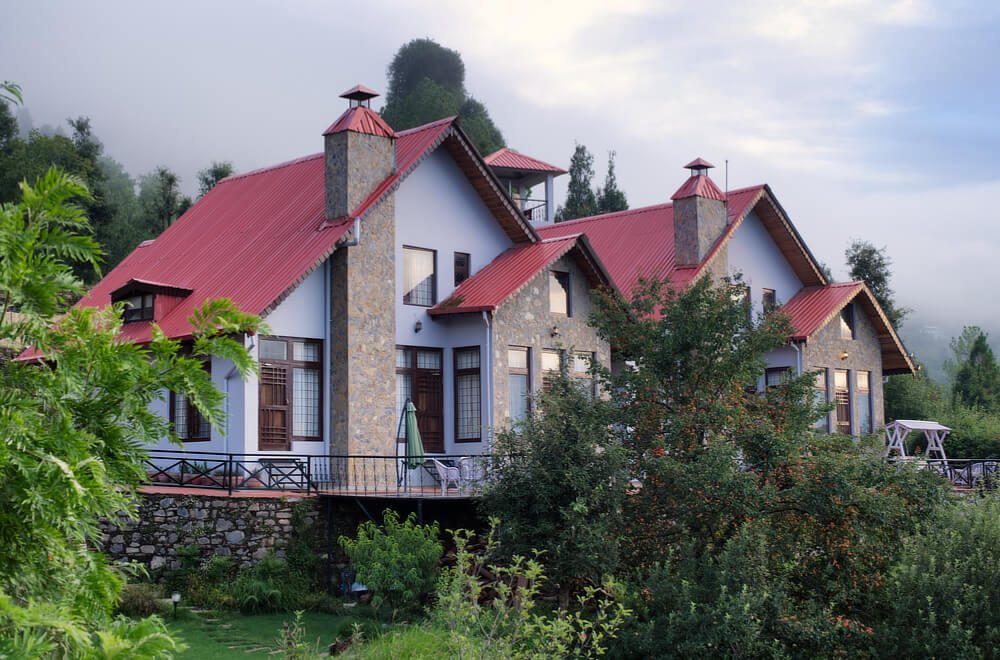
Snowpeak in September
Continue reading Green Guest Practices

Growing Away from City Life

Embracing the tranquil pace of life in Natadol, I’ve undergone a profound transformation in recent years. My days now revolve around devouring more books and cultivating a mindful existence, savoring each fleeting moment. Television is no longer a part of my world, and I’ve bid farewell to the clamor of loud music and disruptive noise.

It’s when I encounter people accustomed to the hustle and bustle of city living that the disparities become glaringly apparent. The raucous music, late-night revelry, and excessive drinking during their vacations stand in stark contrast to my serene way of life. As we gather, they often find themselves engrossed in their individual mobile phones, wistfully missing the presence of a TV. I can’t help but chuckle at the stark divergence between us.

I’ve grown fond of the soft, ambient lighting that gently illuminates my paths while preserving the sanctity of the night, allowing the stars to twinkle in the sky. Often, these gentle lights may seem too subdued to those accustomed to the glaring cityscape.

Embracing a life closer to nature, I’ve adopted a minimalist approach, gradually shedding many of my worldly possessions and learning to cherish the few that remain. I’m dedicated to reducing my carbon footprint and take every opportunity to contribute to this effort. This includes supporting local businesses, opting for public transport whenever feasible, and spending on experiences rather than material possessions.

Even my leisure activities have undergone a transformation. I now find joy in simple yet profound moments, often gathered with my family in our cozy living room. Here, we share laughter, stories, anecdotes, and riddles, taking turns to engage each other’s minds and hearts. Life’s true beauty unfolds at this unhurried pace, and it’s a path I cherish.

Click here for all related posts – Browse my blog on slow and sustainable living !
Narrow Roads are Better !

There are very few people like me who love these narrow hill roads. I have my own reasons.

From a broader perspective – Keeping roads narrow in hilly terrain offers several benefits for both the environment and the overall tourist experience. Firstly, narrow roads are less intrusive on the natural landscape, minimizing the need for extensive land clearance and environmental disruption. This approach also ensures that mountains are not stressed by heavy traffic, reducing soil erosion and preserving the delicate ecosystems that often thrive in these areas. Moreover, the narrow roads discourage casual, short-term visitors, making it more likely that only tourists planning to spend more than a couple of days in the region will embark on the journey. This not only lessens the environmental impact but also attracts travelers who are more likely to appreciate and respect the natural beauty of the hills, contributing to sustainable tourism and the long-term preservation of these majestic landscapes.

As for the agricultural activities, sustainable developmental work, and for the essential services, narrow roads have never been a deterrent.

While it’s true that new roads may be necessary in remote areas, the concept of constructing multiple-lane highways should be strongly discouraged. Instead, our focus should be on preserving these delicate hills, safeguarding their ecological integrity, and enhancing the quality of existing road infrastructure. By doing so, we not only protect the natural beauty of these regions but also ensure a more sustainable and responsible approach to infrastructure development.

Click here for all related posts – Browse my blog on slow and sustainable living !
Slip Slidin’ Away

The rainy season is a truly delightful time of year. Everything around is wrapped in lush greenery, while fluffy clouds drift gently across the sky. The steady patter of rain on our metal roof creates a soothing soundtrack, making it the perfect time to catch up on small repairs around the house or care for our flourishing orchard. This season, we took on a new project—building a quaint little greenhouse. As we worked the soil, I discovered the surprising and playful versatility of clay. Its stubborn yet yielding nature brought an unexpected sense of fun to the work.

Sticky clay mud during the rainy season is nature’s way of reminding us that even the most glamorous of red carpets can turn into a slippery runway of humility. It’s the great equalizer, transforming elegant stilettos into modern art installations and transforming our once-pristine sneakers into avant-garde sculptures of mud and misery. So why fight it? Embrace the stickiness, dance with the mud, and remember that in this soggy, squishy battleground, we’re all just trying to find our footing in the chaos of puddles and poetic imperfection.

Ah, yes, I must confess I’ve had a few impromptu mudslide dance-offs while tangoing with that supremely slippery wet clay. But you see, that’s all part and parcel of our nature-loving escapade! The true magic emerges when the sun sets, and I can finally take our nth number of shower, and then a soothing cup of lemon tea. Simon and Garfunkel’s Slip Slidin’ Away, plays in the background, in a low volume. That sense of accomplishment, coupled with the aroma of damp earth and the symphony of crickets, transcends language, reminding us why I willingly dive into these mucky adventures in the first place.

Now, I eagerly await the completion of our greenhouse project, secretly hoping that my family doesn’t catch wind of just how much I relish frolicking around in the embrace of that delightfully wet and slippery clay. It’s my muddy little secret, after all.

Click here for all related posts – Browse my blog on slow and sustainable living !
Coffee or Tea

Always faced with this delightful dilemma – Tea or Coffee?

With the rain hammering a rhythm on the roof when the chill starts to set in and if accompanied by a slight pang of hunger, my inclination veers towards the comforting embrace of coffee. To me, the epitome of a perfect coffee lies in the art of brewing it in a Turkish kettle, producing an aromatic yet balanced flavour without excessive bitterness. A touch of frothy milk on top adds a creamy touch, though, on days when hunger eludes me, I gladly skip the milk altogether. My taste tests with various coffee roasts from different companies have revealed that sadly, I am not a connoisseur. I can discern subtle distinctions when sipping them side by side but that is about it. The brewing process, the amount of coffee used, and my mood at the time all seem to play a part in crafting that unique cup of coffee for the moment.

Tea, on the other hand, holds a special place in my heart as the ultimate comfort drink. A precise combination of tea leaves and water, brewed at the right temperature, creates a sublime experience that I thoroughly enjoy. I prefer my tea without any milk, relishing the pure essence of the tea leaves. However, if milk must be added, the village-style ‘chai’ steals my affection, generously infused with milk and accompanied by a piece of jaggery on the side. As for the British tradition of adding a few drops of milk to tea, we villagers humorously call it “poor men’s tea,” recognizing the contrast in flavours and traditions.

In the end, whether it’s the invigorating allure of coffee or the comforting ritual of tea, my choice depends on the weather, my mood, and the simple joys each beverage brings to my life. I am addicted to none but I do enjoy a good cup when I can.

Enjoying every sip, savouring the moment, living mindfully in the present. That is what I strive for.

Click here for all related posts – Browse my blog on slow and sustainable living !
Save Energy, Save Earth

One of the primary contributors to the escalating carbon footprint is the ever-increasing energy consumption. It’s evident that people are becoming increasingly reliant on energy sources.

During the summer months, I find burning firewood to be a regrettable practice. Firewood is a valuable resource, not just in terms of cost but also due to its significant environmental impact. At our homestay, I actively discourage the unnecessary burning of firewood.

I reside in an area typically characterized by cold weather, with only a handful of warm days throughout the year. These precious days allow me to enjoy relaxing beneath the shade of trees, reading a good book, or sipping on a refreshing cold lemonade. However, these opportunities are limited to daytime hours. Summer evenings, while slightly cooler, still offer a refreshing breeze. It surprises me that even our homestay guests often request heaters during the summer season. This seems like a wasteful use of energy. Wouldn’t it be more practical to put on a light sweater if the weather feels chilly? Or, why visit a hillside destination if one dislikes cooler weather?

Conversely, in warmer regions, individuals who adore cooler temperatures frequently plan vacations to hot destinations. Paradoxically, they find themselves sweating and sweltering in the heat, resorting to running air conditioners at such low temperatures that they end up needing blankets.

Why?

If you have an affinity for cold weather, consider visiting the hills, but still be sure to come prepared. Leave behind the idea of strolling in shorts and a t-shirt. Instead, pack warm clothing to fully embrace the chill.

On the other hand, if you’re a fan of summery vibes, opt for warm destinations. However, I implore you not to rely heavily on air conditioning. Learn to appreciate the natural climate as it is – it’s not only enjoyable but also beneficial for our planet.

Click here for all related posts – Browse my blog on slow and sustainable living !

A Book Under A Tree

A friend once asked why I hadn’t written in so long. I told him it’s slow living. I write when I feel like it or when something reminds me. At other times, I’m quite content just living quietly, without hurry.

Over the past few months, I’ve found a few quiet spots where I can sit, lean against a tree, and lose myself in a good book. Reading outdoors, with the sounds and scents of nature all around, feels very different from sitting inside. The world outside often vies for my attention. If it’s more interesting than the book, I drift away and forget to read. But when the book grips me, everything else fades. Sometimes a bird passes overhead or a soft breeze stirs the leaves, and I look up for a moment before returning to the story.

At first, I used to worry about insects crawling near me or a hare sneaking up from behind while I sat reading. I would keep glancing around, half-alert, unsure of what might happen next. But over time, I’ve come to appreciate their quiet, mindful way of life. The insects go about their work without the least concern for me, as if I’m not even there. The hares, curious but cautious, will peek from the undergrowth, size me up, and then return to their own world, usually raiding my vegetable patch in search of cabbages. I’ve stopped worrying. Let them have their feast; I’ll have mine in the form of peace and a good book.

That’s what this slow life is all about. Watching, listening, and simply being. No rush, no fuss. My friend, these are just a few of the reasons I’ve come to love this unhurried way of living. It’s not about escaping the world, it’s about learning to sit with it, quietly, and letting it unfold around you.

Click here for all related posts – Browse my blog on slow and sustainable living !
Growing Peaches with Nature’s Guidance

This morning, with a cup of hot coffee, I sat down on the deck, admiring the beautiful Peach trees growing nearby. They remind me of a battle that I waged against nature and then when I almost lost it, mother nature herself guided me towards the right way to win.

A few years back, I planted some peach trees. From the day I planted them, whenever I saw them growing, I could almost taste the juicy peaches in my mouth. Maybe some nice pies and some delicious cocktails while relaxing in the summer breeze, on a hammock under the tall oaks.

Things started to change when the trees were about 2-3 years old. After the winter, when they started to wake up, the leaves started to curl. New leaves would all curl up and shrivel. With their leaves gone, the trees were having a hard time coping up. As a result when we were looking forward to the fruits, I had to thin them out. After removing most of the fruits, the tree started to concentrate on new leaves but still the leaf curl was there. I had to remove all the fruits. Someone also guided us to add lots of compost or manure and keep it well watered. I did that too. The summers passed with zero peaches for us and lots of work.

A horticulturist told us that it was a fungal disease that was quite common in peaches. He told us to spray a good amount of Copper based fungicide. Even though the organic farmers do it, we were not very happy with the idea. However, the greed for good peaches next year influenced us and I ended up spraying the trees with copper based fungicide after the leaves had fallen off in autumn. Later, I followed it up with another round of spray just before the spring time blossoms. To prevent the fungal spores from spreading again, we had to trim the old oak also nearby, so as to let in more air to blow through the peach tree. All this was in vain. The spring came and the results were the same. Leaf curl, followed by a disheartening task of removing the fruits and then waiting for next autumn to spray again. We were fighting a battle against nature and losing at it.

After two or maybe three years of such battles, we lost all hope and planned to buy peaches from the market rather than grow our own. The trees were left as it is and the horticulturists who visited us kept on pestering us to spray more fungicide. We just ignored them.

The very next year, when we gave up trimming the oak, some green backed tits made their nests in the oak. After a few months, when the spring came, these tits spent the whole of their day feeding on something on the diseased peach trees. This was interesting. Were they feeding on some kind of visible fungus? No, they were feeding on tiny tiny aphids. Bingo ! The horticulturists were wrong all the time. These were the aphids that were causing the leaf curl. The birds kept feeding on the aphids and within a couple of weeks, the peach tree was full of fresh healthy leaves. The fruits were also dangling around. That was the first year when we enjoyed the peaches and that too without spraying any kind of fungicide. Mother nature had taught us.

Today, as I sit here sipping my coffee, I see the green-backed tits again, working steadily on the peach tree. A few blue-coloured birds help them. I have not bothered to photograph or identify them. There is no need to trim the oak tree or spray chemicals. In fact, there is no need to do anything at all. I just sit back and relax. The relaxed feel and free time makes me ponder on more important and deeper thoughts related to life and happiness. When the time comes, the peaches will be ready and we will enjoy pies and cocktails.

Next year, maybe, I will spray some neem oil if the aphids are in excess but I doubt that. I have also planted garlic under the tree in the hope that maybe the antifungal effects of garlic may protect when fungal leaf curl happens. Come to think of it, was Count Dracula from popular literature in some way related to any fungus, that garlic helped protect from him?

Anyway, what I have realized is that nature balances out things. We are fools to believe that we can do better than nature.

That’s slow living for me.

Click here for all related posts – Browse my blog on slow and sustainable living !
No Calendar, No Clocks …

The best thing about slow life is unlearning the use of calendars and clocks. It has its own challenges.

For decades, I was driven by the calendar. There were the notorious Monday blues. The weekdays always dragged on. The weekends were awaited and somehow they flew by even before I could feel them. The clocks ! They were yet another force guiding each and every day. When to reach the office, when to meet the people, reaching late was frowned upon and overtime was happily overlooked by the HR along with the board members.

The day, I started my journey of living a slow and peaceful life, the first thing that I stopped using was the clock. The resident blue-whistling thrush, that lives outside my window, wakes me up. There’s no need for an alarm clock. In fact, now the excitement of doing something fruitful makes me get up on my own, sometimes at almost the same time as the little birdy plans to sing. I have my lunch when I feel hungry and not when the clock tells me to. When the sun goes down, it’s time to relax by the old lamp, on my favorite chair, with a good book in hand. Winter evenings are marked by the smell of hot chocolate that I get to enjoy while I read my book. Summers, it’s a chilled beer or two, sometimes in the company of friends who are yet to stop using their clocks and watches. When I feel sleepy, I go to sleep. Someone asked me about the time I usually sleep. I am usually lost when someone asks this. It depends on the book that I might be reading before bedtime and also on the amount of physical work that I might have done in the day time.

The absence of clocks and watches also has its own advantages. Last week, I went to my car’s service station. They changed the oil, did some regular checkups, and also a minor paint job. I reached the place a little early to pick up my car. Actually, a lot earlier than expected. They were supposed to hand it over at around 3 in the afternoon. I reached there at around 1. I always carry some books and a notebook (the real paper kind, and not the laptop) with me. So, I just requested a place to sit and enjoyed a nice book. It seems that they handed the car at around 6 in the evening and were apologizing for the delay. I was surprised since I did not realise that so much time had passed. In fact, I thanked them for the comfortable corner they had provided me, with an endless supply of coffee and cookies. Every once in a while someone gave me an update about what was taking time, though I never asked. Without watches and clocks, I do not have to hurry anywhere or be late for anything. If I am traveling to the hills and it gets late, I can always stop wherever I feel like and check into a homestay, or call up a friend to spend the night. After all there is no Calendar to keep.

That brings me to the second thing that I quit using. The Calendar. Now every day is a Sunday and every day is also a Monday. It does not matter. Just two things to remember are the start of the new month, when I have to pay some salaries and rentals (usually someone or the other reminds me) and the days when some guests come to stay at our homestay. I don’t buy into the tradition of avoiding non-vegetarian food on some days and eating on others. For me, either a person is a Non-vegetarian, a Vegetarian, or a Vegan, or whatever else they believe in. I am not prejudiced and I cook for our guests based on their beliefs.

Living without a calendar also has its own set of minor problems too. Last Sunday, I called up a friend in the morning. He was still in bed. From his voice I realised that he was woken up by my phone call. For him, Sunday was the day when he could sleep late, while on the other days he had to get up early to go for his work.

There are lots of other things too that now I have a very limited use of. TV channels, News, Social networking.

I can hear someone calling my name outside. Maybe some friend has come to visit me. Is it already lunch time? Maybe, I will ask him to stay back for lunch or if it’s too early, we can enjoy some tea together. I will ask him, rather than deciding based on the time of the day. My friends are actual friends whom I can directly ask and get a real helpful reply.

Click here for all related posts – Browse my blog on slow and sustainable living !
Planting Trees

Since the time I started my life in the slow lane, I have been planting trees. Sometimes fruit trees, sometimes forest trees, sometimes just bushes or shrubs. This has become an activity that I am thinking of most of the time or planning my day around it. Yes, it always gives a wonderful feeling. Planning all the fruits that I may enjoy in future, the shade from the trees under which I can sit and read a good book on a summer afternoon, a pair of thick trees that may support my hammock in future, or the tall chestnut and walnut trees that will provide nuts for the generations to come.

I frequently get totally engrossed in this simple task of planting trees. Maybe it is mindfulness, maybe it is meditation, or maybe it is my love for nature that I also find my Ikigai in this activity.

The fruit trees that I buy are usually sold as bare-root trees, in their state of hibernation. These are planted in winters. There is a method to planting these trees as well. I soak the roots in a bucket of water for around 4 hours in the morning. After that I take these out and plant them in planting holes that I would have prepared well in advance, filling the soil back while holding the tree upright in the center of the hole.

The height of the fruit tree in the planting hole is also a matter of discussion. Most of the fruit trees available nowadays are grafted ones. Some people recommend keeping the grafting joint above the soil. This prevents the diseases affecting the joint and also enables the scion (the grafted upper part) enjoy the properties of rootstock (the base on which the grafting is done). Some fruit trees even prefer the top most roots to be partially exposed to the air! The rootstocks are usually chosen for their disease-resistance though it is not uncommon choosing them for their effect on final tree size. On the other hand, there are some horticulturists who recommend planting the grafting joint just under the soil. Doing so helps establish roots from the scion part as well, which in turn enables a larger and more beautiful looking tree. I use both the methods, depending on what kind of tree I have at hand and the desired outcome.

For shrubs and bushes, I soak the roots for around an hour and then plant them. Recently, I planted some raspberries. They bear fruit within a year or two, and so I am already imagining the fresh juicy berries on my breakfast table. In my opinion, no fruit orchard is complete without some kind of berries.

Apart from the bare-root trees, some nurseries also sell trees growing in small pots or plastic bags. These are my second choice when it comes to buying trees. The advantage is that such trees can be planted all round the year. However, I don’t like them much. First of all, these are expensive. The plant nurseries charge exorbitantly. Maybe due to the fact that most of these nurseries are located in places of easy accessibility and rich people are their usual patrons. Another reason why I don’t prefer these is because the trees get used to the soil in the pot/bag. The soil carries its own signature (nutrients, consistency, microorganisms, fungi, and lots of other factors). Once transplanted, the roots of such trees seem reluctant to leave their comfort zone of old soil and so the tree grows slowly. Transplanting is also a shock for the young tree. Still, the fact that these trees can be planted at any time of the year or can be transported long distances and for a long period before transplanting, makes such plants quite attractive.

Regardless of the type of tree, planting is always a welcome activity for me. Today, I planted some fruit trees and a couple of oaks too. What a lovely feeling it is. We all are indebted to mother nature for providing us with everything, therefore it is also our moral duty to give back to the earth. Planting trees is one such activity that can repay a part of our debt. If you have a place where you can plant a tree, do it !

Click here for all related posts – Browse my blog on slow and sustainable living !
Ideal Hole for Plants

This morning, I felt lazy and did not feel like making my breakfast. I went for a coffee with my neighbours. They are good people. More than the laziness, it is the longing for human interaction once in a while, that I visit my neighbours. As such, I am more of a loner and happy in my own company. Later in the day, I had planned on planting some fruit trees today. Our discussion went to this topic and then I realised that very few people actually give a serious thought about how a hole for planting a tree should be dug. So, these are my thoughts for my lovely neighbours to help them in future and for anyone starting to lead a slow life.

This is just about how the hole for planting a tree should be. First of all, it should be dug out of a slightly larger size than you feel is sufficient. There is a method for digging. I first mark the area to be dug, usually a square (and not a round hole). Next, when I start digging, the top soil is gathered on one side of the hole and then the soil from deep down on the other side. Usually, I prefer double the depth of holes than the longest roots visible. The width also is usually equal to the depth but then again it depends on trees being planted. For shallow root trees, the hole should be much broader than deep. It also depends on soil. In a ground full of clay or large rocks, I prefer to dig a large hole. The hole has to be cuboidal. This prevents the roots from going round and round as happens in a usual planter or pot. Also, a little taper of the hole outwards towards the top helps the superficial roots. If you still want to go for a round hole, scrape some of the sides vertically (almost as if Wolverine scratched the side from top to bottom).

Once the planting hole is dug, I do a quick test by filling it with water and seeing how fast or slow the water gets absorbed. Slow absorption means a compacted soil, maybe full of clay. Fast absorption happens in loose soil or sandy soil. Once the water disappears from the hole, I plant the tree.

While filling the planting hole back, the soil from deep down the hole goes in first. The top soil gets filled back on the top. This ensures that the soil structure remains almost as it was before and this also helps in faster establishment of fungal networks in the soil. Even the soil microorganisms and worms, get to stay in their original position. Also shake the plant a little while filling back if it is a bare root one. This will enable an ample amount of soil to get between the roots.

There is yet another thought that has the gardening society divided. Whether to mix compost / manure, in the soil that is being put back in the hole. The ‘for group’ says that it helps in the initial growth of the tree. The ‘against group’ says that it may harm the tender roots and in the long term restrict the root growth to within the hole. I belong to both the groups. I vary my opinion from hole to hole depending on the soil conditions inside and the kind of fruit tree being planted. As a rule, it is better to err on the lower side of addition of soil enrichments than going overboard with this. Also, depending on the texture of the soil, some gypsum, bone meal, or other soil amendments may be needed in different holes. One risk of adding compost inside the hole is that when it is still not completely mature, the composting process may carry on inside the planting hole, which releases methane and therefore has the ability to harm the soil life including the fungal networks.

And now the last part. For ground that is compacted or clay soil, the planting hole should be filled back completely and then a small conical mound created around the plant. The highest point being around the stem of the plant and then slanting out to almost the ground level near the edge of the original hole that was dug. This prevents rain water from seeping in excessively. It’s the opposite of what people usually do. The hole in such a soil that was dug, acts as a planter without any drainage. So, creating a depression around the tree actually ends up damaging the tree by leading to waterlogging in the hole. Most trees hate wet feet.

On the other hand, if the soil is loamy, soft, or sandy, the hole should be filled back to a slightly lower level than the surrounding ground. Even making a central depression and a small circular mound around the hole helps. This helps collect water from rain or irrigation.

I think this is all there is to digging a hole for planting and filling it back. Maybe, I might have missed something. I will read the steps after I finish planting some trees today and add if I missed anything.

Click here for all related posts – Browse my blog on slow and sustainable living !
Pruning Time

It is said that, how good a garden or orchard is in summers, depends on the hard work done during winters. This may not be the right way of putting things in perspective but still some work needs to be done during winters too.

The sun is starting to shift north and the birds are starting to show signs that spring is not far away. Soon, the trees will start to wake up. This is the time when some pruning has to be done.

Pruning is a very simple thing to do. First, the dead and diseased branches are removed. Next the suckers and water-sprouts are removed. These two are very interestingly named. I can’t help but chuckle whenever I prune these away. After this comes the pruning that some horticulturists swear by. Cutting the branches to have fruits within easy reach, and to have more healthy growth. For apples, the fruiting happens on old wood, so pruning usually is done to remove this new wood and to promote more branching. Peaches on the other hand are pruned so as to remove old wood and promote the growth of new wood.

For apricots, I prefer not to prune at all. In fact, I don’t like pruning to begin with. If nature intended a plant or a tree to grow in a particular manner, who are we to interfere and change that. From what I have gathered, the trees, including the fruit trees should never be pruned. But, if they have been pruned once, then they have to be pruned always. And so, I am stuck with pruning some apple, plum, and peach trees, year after year.

Pruning also seems to give a boost to the ego of many horticulturists and farmers that I know. The knowledge that they can trim a branch just above a bud and then predict how the branch is going to sprout, makes them feel really special.

I, on the other hand, can never feel that ego boost. I always feel humbled by the fact that these trees and their leaves are the only beings in this world that can make their own food. Rest all the animal kingdom is dependent on these original makers of food or other animals for their diet. These trees have been here long before humans even existed. They have seen centuries pass by. The trees have provided fruits since ancient times and no one pruned them then. They have grown and sustained. Who are we to interfere and feel that we can do better than nature ? Problem is that they have not been left in the way they should have been. The soil has altered over the last few centuries, the ecology surrounding the trees has changed, so some efforts have to be put in to provide a setting as close as possible to the natural system and yet have delicious fruits in whatever constraints now exist.

A gray winged blackbird hops around on a tree nearby, breaking my flow of thoughts. Well, it’s time for me to pick up the secateurs and get down to pruning, something about whose, long term advantages are still not clear to me.

Click here for all related posts – Browse my blog on slow and sustainable living !
Reducing Carbon Footprint

I had just now finished my lunch, sitting under the sun, while a group of tiny birds hopped on a nearby apple tree. Simply steamed porridge with a fresh salad made up of local vegetables, tossed in oil and lemon juice. Salads are delicious. They are also comfort food. Good to look at, delicious, healthy, and easy to prepare.

So far, we have had a dry spell in the winter. Not at all good. The climate crisis is taking its toll everywhere and people are turning a blind eye to it. Reminds me of the proverbial frog in boiling water. The trees may be asleep but their roots need water. Even some amount of chilling hours is needed by some trees to produce a good amount of fruits. The groundwater also needs to be replenished. Rain and snow are essential. And, on the other hand, nowadays in the rainy season, when it usually rains, it pours down cats and dogs. That also is not good.

I have been trying to reduce our carbon footprint as much as possible. This year, I challenged myself to layering up with clothes and not using the heaters or fire for warmth as long into the winter as I could manage. I am proud to say that even in sub-zero temperature, I have had nice restful sleeps, with a double layer of quilts over me, and a rubber bottle filled with hot water near my feet. Sometimes, in the middle of night, I have had to remove one of the quilts.

I am also against plastic. Yesterday, I went to a local market. They were selling chikki (some roasted peanuts and sesame seeds in jaggery). There was one from my favorite sweets-seller but was packaged in a plastic container. Another fellow was packaging in a simple brown paper envelope. I opted for the one who was not using plastic even though I know that his chikki is not as delicious as the one packed in plastic.

Each and every bit counts. From packets of chips to plastic bags, from leading a minimalistic life to reducing overall consumption of goods. Even food for that matter. Simple things like the lunch that I had, have a much smaller carbon footprint than maybe something like a piece of cake (baked for hours). And no, I am not going into the vegetarian or meat debate.

I’ve been encouraging our guests to take the train as far as possible and then hire a car for the last stretch, instead of driving all the way. I also discourage short-haul flights. Whenever I can, I ask them to carry their own toiletries and empty refillable water bottles. Every small effort helps.

(There are a lot more things to write on carbon-footprint. Maybe the same title will appear again in more of my journal entries in future.)

Click here for all related posts – Browse my blog on slow and sustainable living !
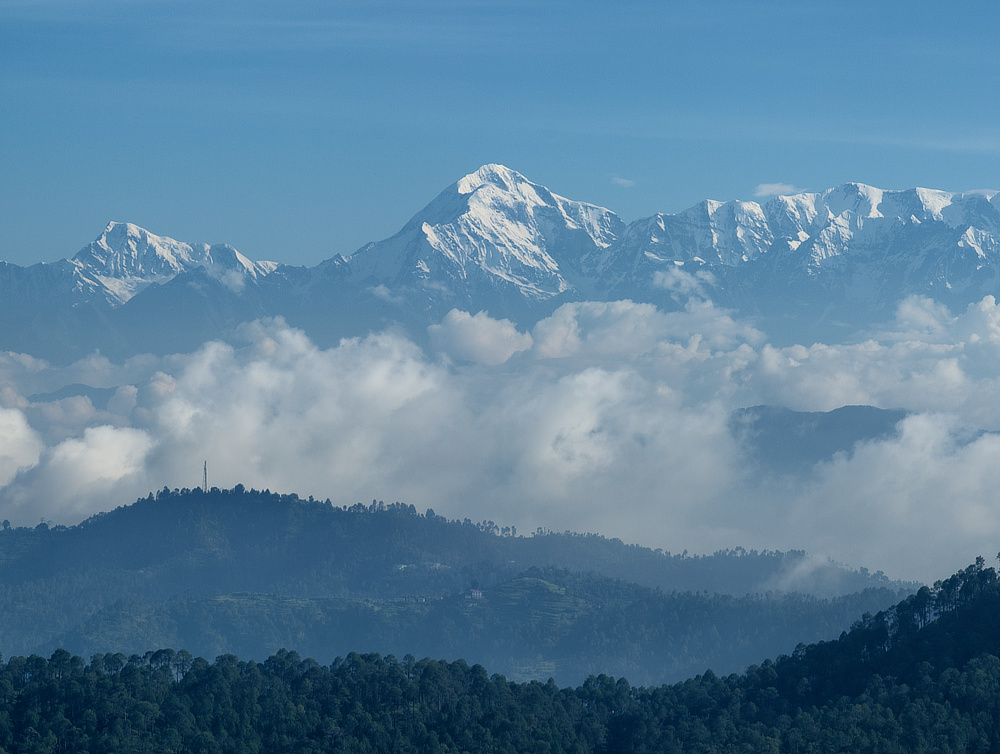
No Weeding, No-Till

Why don’t I till the soil or turn it over? Why are there weeds growing around in my garden? These and many similar questions keep coming to me and it is hard to convince people with my answers.

Soil is a very complex structure. It’s full of life. Everything is important. Even the so called weeds. They hold the soil together. Their roots make an extensive network in the soil which also works to absorb rainwater. Some of these roots die and add organic matter to the soil. Even the leaves that fall from these so called leaves add to humus. White Dutch Clover is a star in my garden. It helps fix nitrogen, provides home to ladybirds, flowers attract pollinators, and helps in absorption of water. This is just one of the so-called weeds.

Try comparing a patch of land that has been cleaned, the weeds pulled out and the soil left exposed, to another patch of land with weeds all over. Winds will not blow the soil away from the uncleared soil. Water will not erode. In fact, more rain water will reach the depths where there are weeds. On the other hand, just walking around on a cleared up land will compact the soil and make it still poorer.

The fungus that is present in the soil makes a widespread web. The trees, the bushes, and even the low grass are connected to each other. They convey vital information and take care of their lot. A single stroke of spade into the soil breaks all the connections in its path. Imagine what running a tiller or a tractor does to the soil.

There is life in the soil. Apart from the fungal networks, various bacteria work hard to enrich the soil. Tiny creatures like earthworms churn the soil and help in decomposition. Various organisms work at different stages and different levels to bring about the soil that we see around us.

One more disadvantage of tilling is that it forces the soil to release the nutrients needed by plants all of a sudden and excessively. These are much more than the amount actually required and taken up by plants. The excess nutrients just get washed away or wasted. So, with every cycle of tilling or soil turning, the soil is rendered poorer and poorer nutritionally speaking. The burying down of grasses or plants while doing so also releases an excessive amount of carbon that causes a nutritional imbalance for the plants… also not good.

For me, soil is a sacred thing in my garden and orchard. The less I disturb it, the better it is. Chemicals like pesticides, weedicides, antibacterial sprays, etc. are poisons that have been slowly and slowly killing the soil. The nutritional value of produce from commercial farming is going down. Every year more and more chemical fertilizer is needed to get the same produce. This is disheartening. Maybe people will start waking up to this and start respecting soil.

I will start this new year by planting some acorns (that I found on a rock) near a pathway so that some centuries later, someone like me, may sit down under the oak and be impressed by the wonders of nature.

Click here for all related posts – Browse my blog on slow and sustainable living !
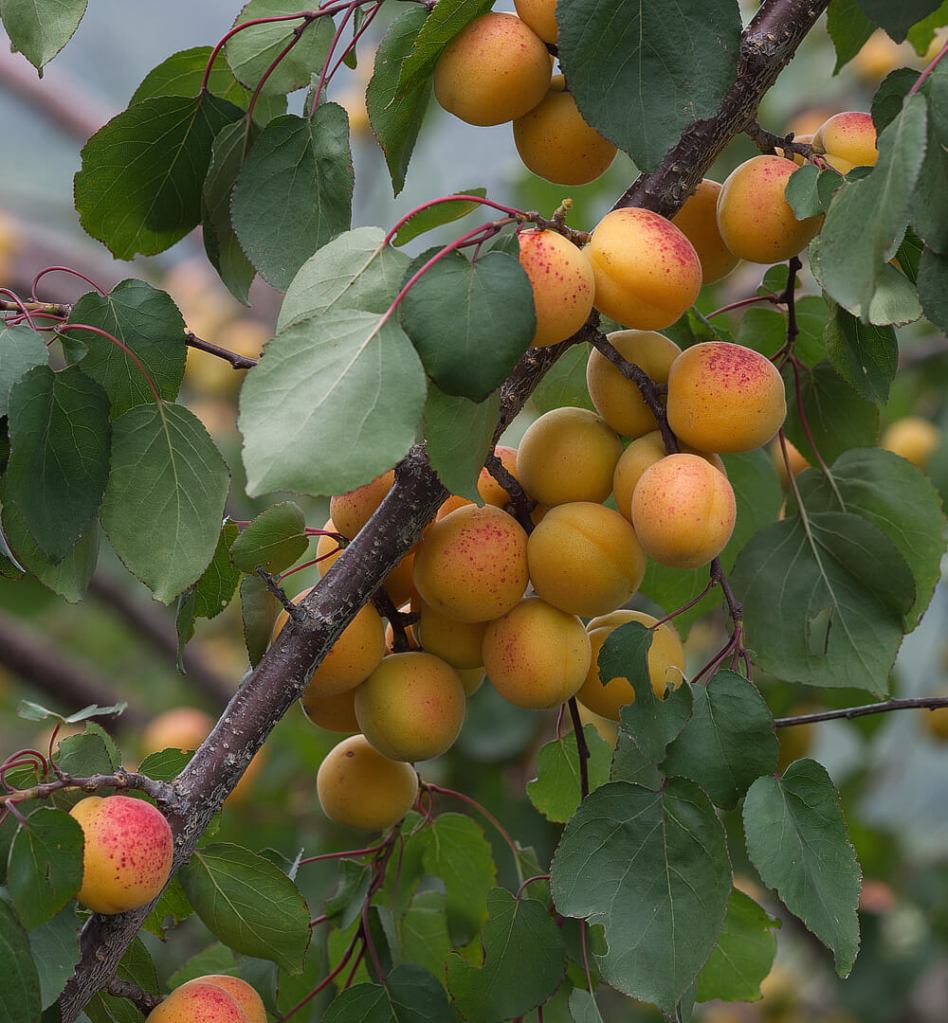
Understand the difference!


In this age of social media and endless scrolling, there are some things that need to be sorted out and explained. These are simple things, but any photographer will appreciate it if these differences are kept in mind while talking to a photographer. Nothing complicated, but just simple clarifications and the correct terms.

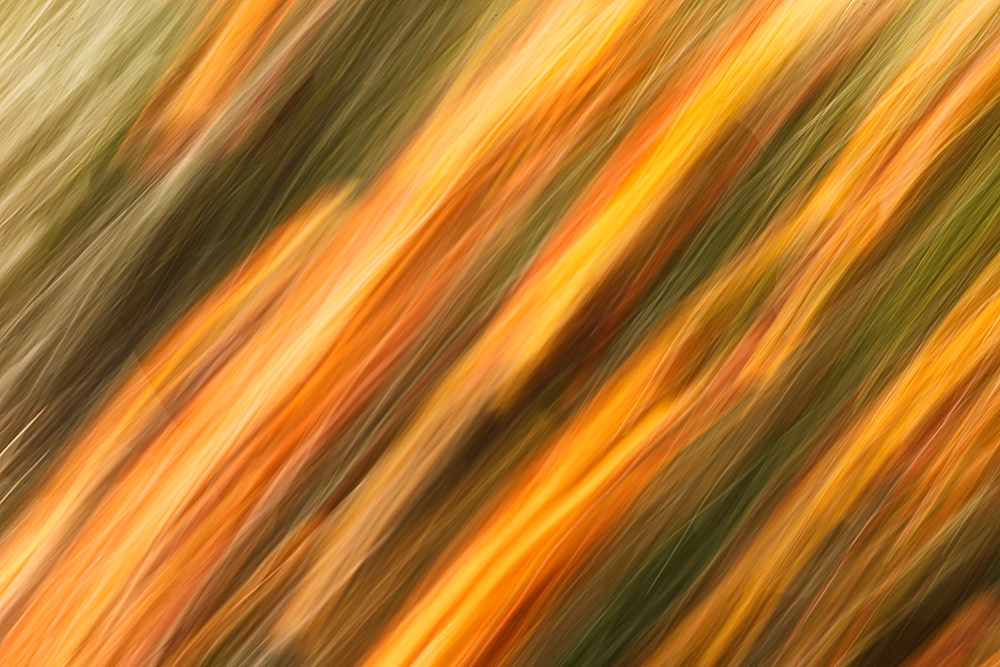
Fiery Blurs Abstract Image

( An abstract or a wasted shot with excessive blur? )

Continue reading Understand the difference!

A Lazy Day

Usually, I am an early riser. Today, just before the dawn, a drizzle started. The pitter-patter of the rain was so hypnotizing that even after waking up, I once again slept off for about an hour. Later our resident blue-whistling thrush, who has the nest just outside our window, started to sing. It was then when I got up. No fancy alarms can compare with the voice of this bird.

Everyone else is also asleep, so slowly I crept into the kitchen and put the kettle to boil. I am not a tea or coffee connoisseur but on rare occasions, I do enjoy an early morning cup of good tea. With the tea in my hand, I stepped out. The wind was chilling, and the rain that fell had already frozen to ice. Still, standing here, with tea in my hand, and a view to admire, makes it worth the effort.

Today, I have a list of chores to do. First and foremost, stack some wood in case the temperature falls further and I am unable to manage without heating. This is a challenge I give to myself. How far into the winter can I manage without lighting a fire ! It is good for the environment and good for my own resilience. Next chore is to spread some compost over the new planter beds. With drizzles like today and the upcoming snow season, the compost spread now gets time to work its magic in spring. Someone has rightly said, how beautiful a garden or orchard looks in the season, depends on how much hard work has gone into it during the winters.

Slow living also requires some work to be done. The best part comes after sweating out a little. That afternoon nap, that book in the evening, with the soft music in the background, or a chit-chat over some drink.

Click here for all related posts – Browse my blog on slow and sustainable living !
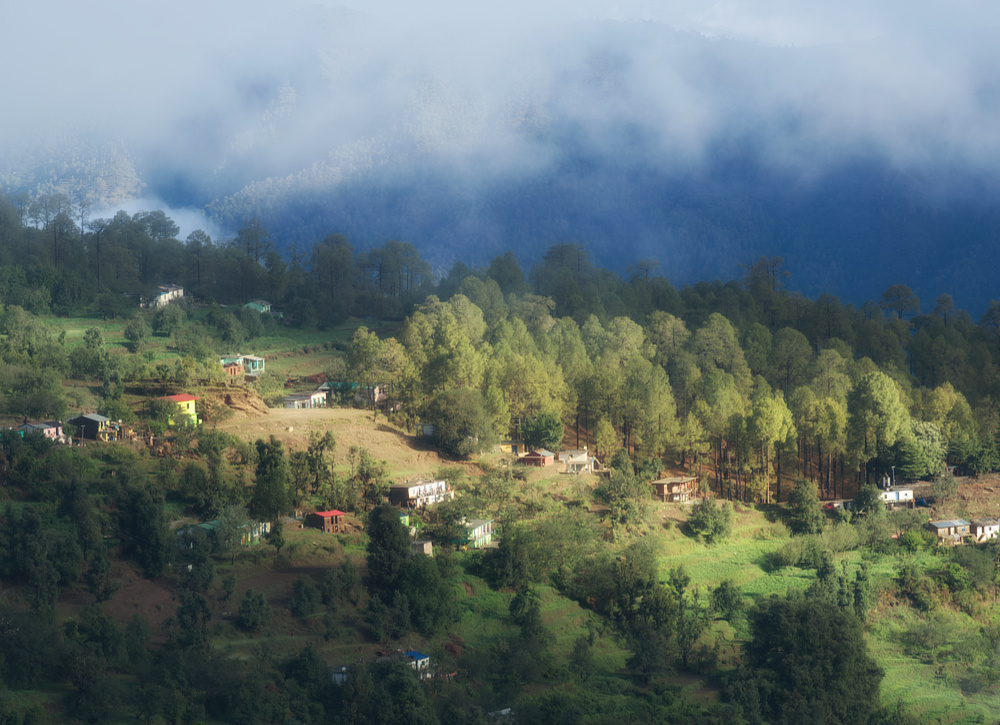
Tree Plantation goes on …

Waking up to a white frosted landscape, and then observing how slowly and slowly the areas where the sun touches start to turn colorful again, is an experience in itself. Standing outside while the sun starts to kiss the parts of our garden is a lovely feeling. I adjust my location as the spots getting the sun change. Every few minutes, I am forced to move. Every morning, standing around in the sun, and just observing nature, is a blessing that slow living has taught me to admire.

Today, once the landscape was bright and a little warm, I planted some fruit trees. It seems like I am busy planting trees whenever I get a chance. Apples, pears, plums, apricots, and some persimmons. These will take a long time to grow and give fruits. I like the huge trees of heirloom varieties/cultivars. The saplings were bare-root, so these had to be planted while they were still asleep, and without exposing them to open for long. I got them yesterday, so today this had to be done. Even with slow living, at times, things have to be done as a priority.

Saplings or plants sold in pots, with soil around their roots, can be planted whenever one feels like. There is no urgency or a strict time window for them, but bare-root plants adapt better to the new place where they are planted.

I’ve planted various fruit trees today, including some nut-bearing ones. One of the nut species will take nearly a decade or two to yield well. But when it does, my children and future generations will be able to enjoy both their nourishing nuts and the cool shade they provide during warm summers.

The planting took some time and effort. I call it hard work, maybe just to justify to myself the lazying around for the rest of the day, and contemplating on some aspects of life and emotions. So, after planting, I again found a nice sunny spot, to warm myself up, and admire the clouds floating by. In the afternoon, the spots getting sun don’t change as frequently as in the morning. Good for me.

Click here for all related posts – Browse my blog on slow and sustainable living !
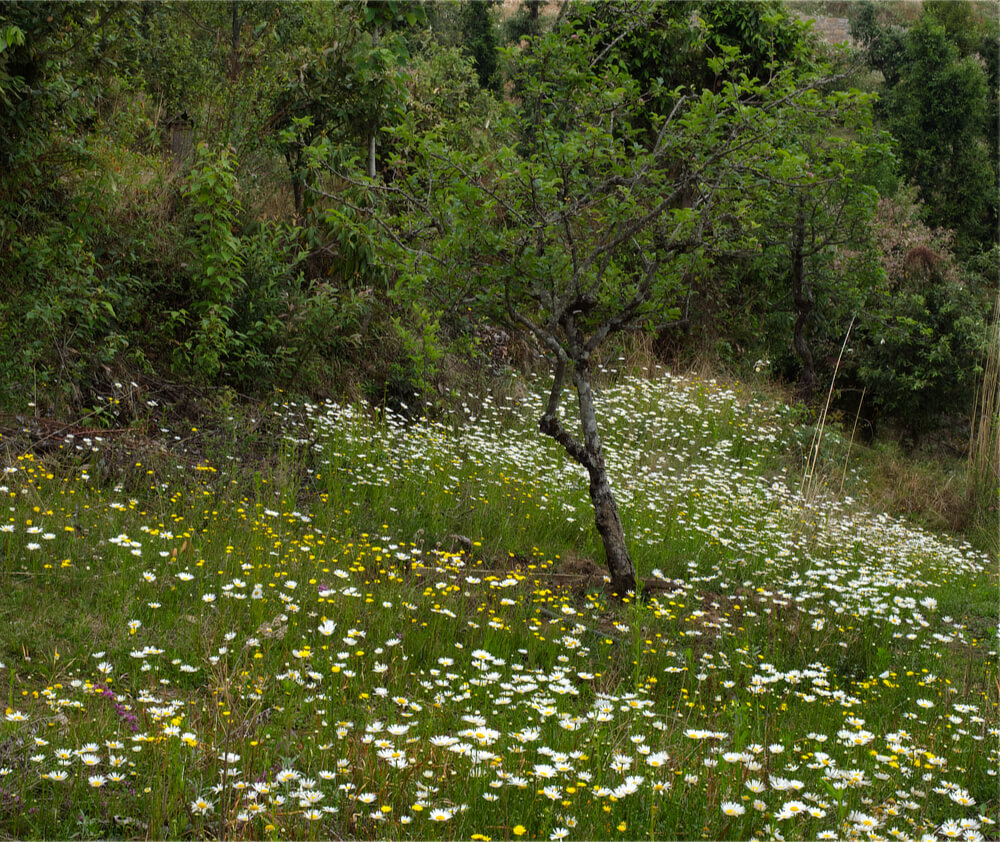
Watering my Garden in Winter

The weather is quite dry nowadays. No clouds to be seen anywhere. There has been no rain all through the autumn and now we are into winter.

Today, I watered some of my young trees and the lawn. Extensive frost is yet to set in. The deciduous trees have already shed their leaves. A passerby asked me, why was I watering the young plants that had already shed leaves. He was not interested in listening to my reasons but just wanted to comment. I replied that maybe I had hit my head somewhere and lost my marbles. I want to water them and so I am doing that. He was almost convinced that I had really lost it, or maybe he didn’t hear what I said. Quietly, he went away.

The plants may be sleeping but their roots still need water. The same goes with grass too. Deep irrigation also prevents some frost damage. So, yes, everyone should water their garden even when the plants seem to be sleeping and winter is starting to knock on the door. Just ensure that you water in the first half of the day, when the temperature is a little above freezing point, and when there is little to no wind. Instead of sprinklers that wet the leaves, use a garden hose that waters the soil and roots.

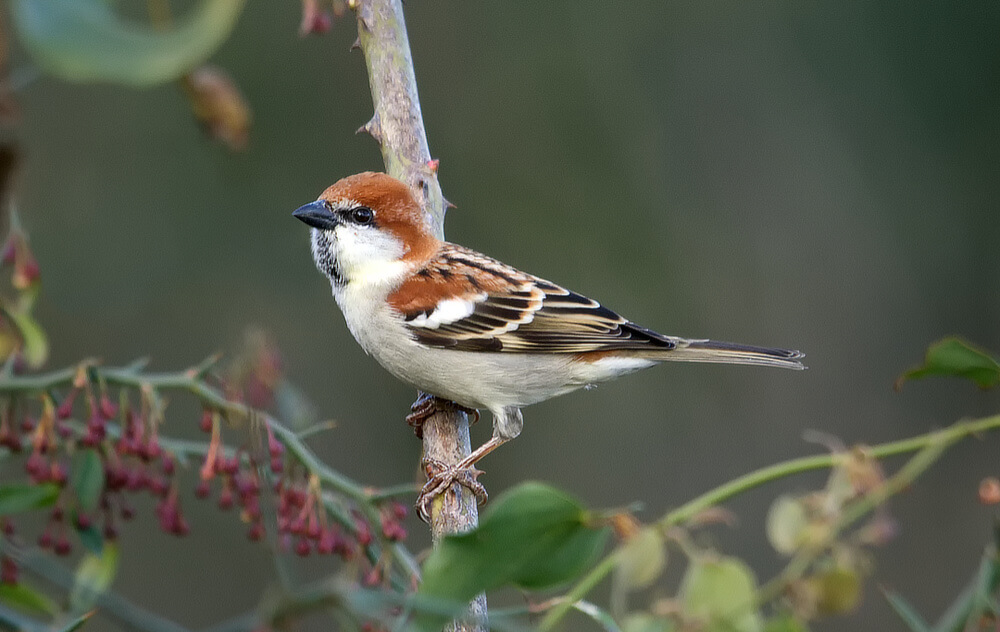
Birds seem to understand my thoughts. A group of sparrows and tits settled down on an old apricot tree. They were cheerfully chirping and somehow seemed to say that I was doing the right thing for my garden.

Leaving the garden to grow as nature intended, without any intervention, is the best way. ‘Rewilding’ is the way to go, but till the time nature starts to work its own magic, some corrections by us humans, are needed to make up for the damages that we have done to the gardens and orchards over the last few centuries.

Click here for all related posts – Browse my blog on slow and sustainable living !
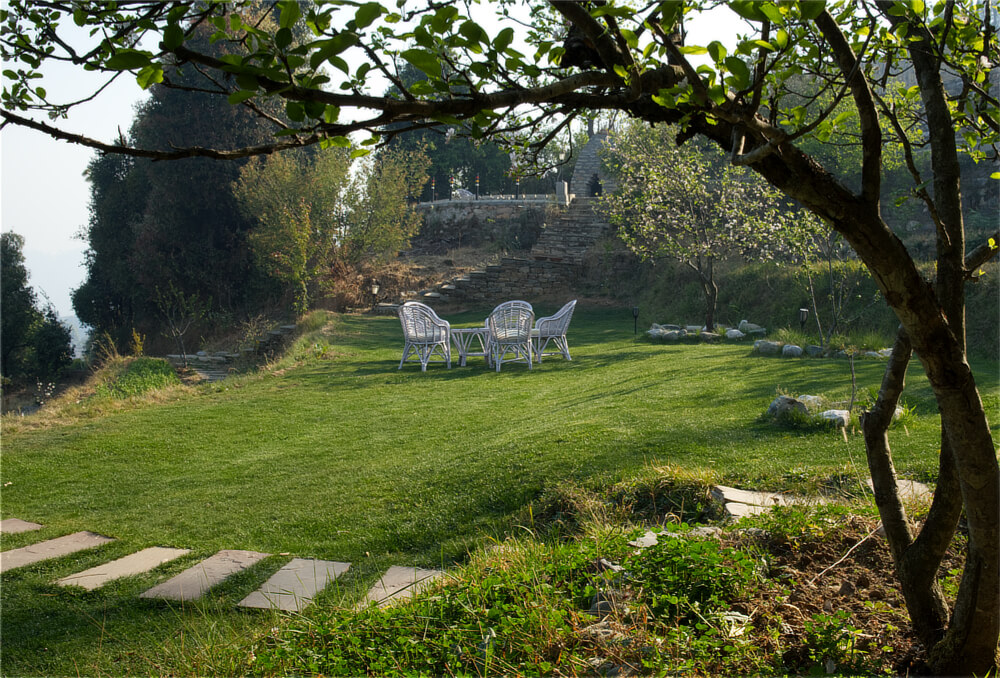
My Journal

Today, I have started writing a small diary here. No photographs, no videos, but just simple thoughts that flow.

It seems like just yesterday that my friend and I were sitting in one corner of the deck, late in the evening, sipping our drinks and brooding over the simmering lights on the distant hill across the valley. A moment to savor. The cool breeze and a ‘who-who’ of an owl somewhere nearby. We talked about how villages do give peace of mind, but at a cost. The finances go for a toss. Job opportunities and businesses usually don’t do so well in such faraway places. But, at least, there is some amount of happiness. I can sit quietly and think over things, read a book, and chat with a friend without bothering with the internet or phone.

Such moments are priceless. Even though this was many months ago, I can still remember those lovely moments and live them again. The discussion seems lively and recent. The time was early autumn and the evening wind was starting to develop a pleasant winter nip. After a warm day, such an evening was well awaited.

This is what slow life is and this is what he told me to start journaling.

Click here for all related posts – Browse my blog on slow and sustainable living !
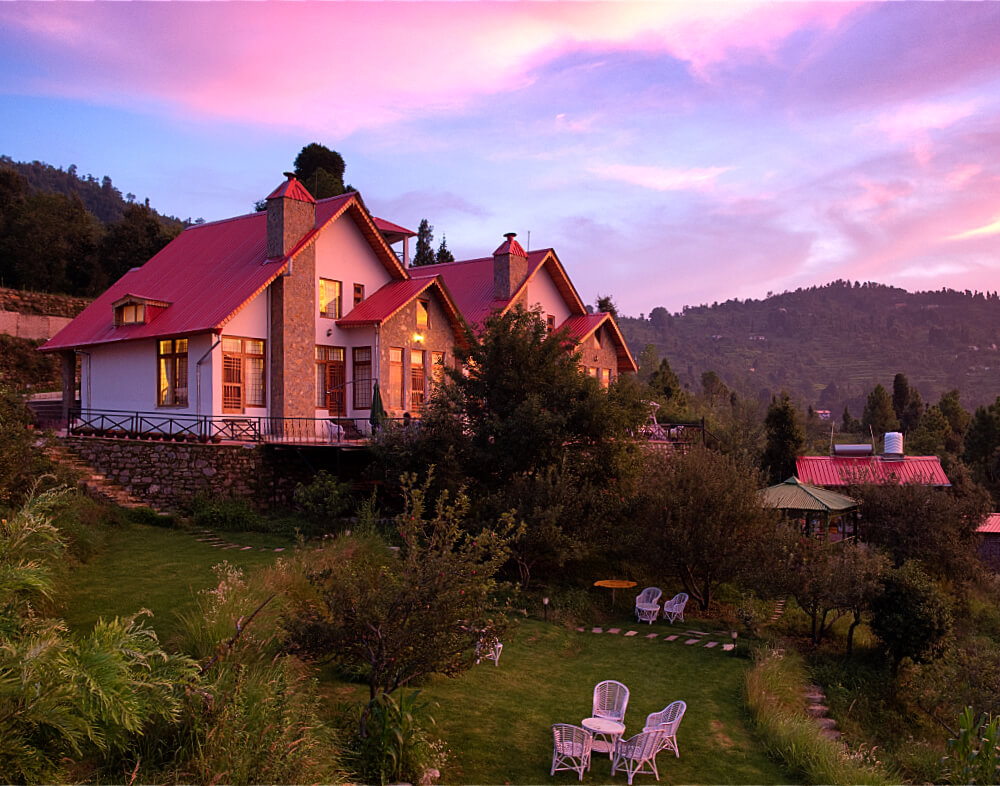
10 Benefits of Staying in a Homestay

Indulge in the sensation of vacationing in a charming abode, complete with top-tier amenities that surpass those found in typical hotels or resorts. This is precisely what we offer in our homestay. While it is our personal residence, it is also a space we happily share with select guests seeking a unique and luxurious vacation experience.

Cottages in Spring
Cottages in Spring
Continue reading 10 Benefits of Staying in a Homestay

Forest Walk and The Fox

Living in the hills near the forest brings both benefits and challenges. We often find ourselves visited by wild animals; hares delighting in our vegetable garden and wild boars occasionally unearthing potatoes are frequent sights. However, early morning forest walks offer a distinct advantage, allowing us to spot tiny critters and small animals along the way.

Continue reading Forest Walk and The Fox

Winter Wonderland

For the past few days, snow has been falling steadily outside, keeping me indoors with little to occupy my time. Downstairs, a crackling fire attempts to ward off the chill, but its warmth feels insufficient. Wrapped in a cozy blanket, I clutch a steaming cup of hot chocolate, while my feet rest on a comforting hot water bottle. Despite these comforts, my fingers still feel the cold as I type. It’s unmistakably the heart of winter here.

Continue reading Winter Wonderland

Snow – The White Miracle

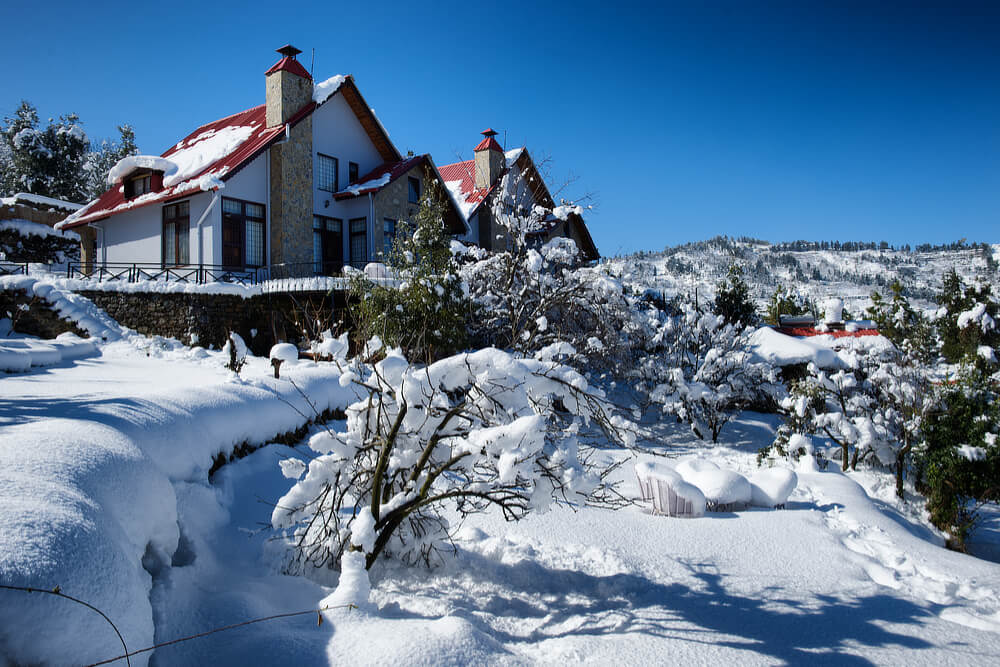
Winter brings the gift of snow, blessing the landscape with its presence. As the flakes gently fall, the world around us undergoes a remarkable transformation into a magical winter wonderland, adorned with glistening frost. The arrival of snow completes this wondrous change, as everything becomes adorned in a beautiful blanket of fresh, white snow, creating a picturesque scene that is truly delightful to behold.

Maini's Hill Cottages after Snowfall
Maini’s Hill Cottages after Snowfall

Continue reading Snow – The White Miracle

Magical Fungi

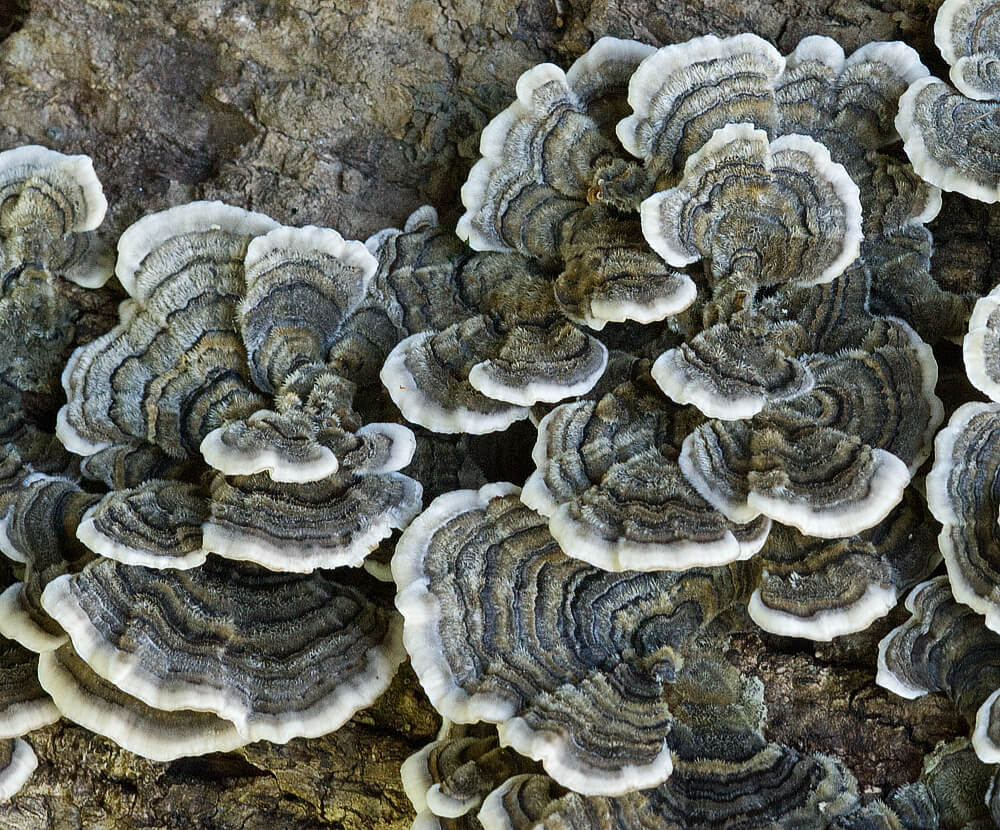
Fungi, the often overlooked lifeforms, are rarely given the attention they deserve. Yet, these captivating organisms are intricately intertwined with our lives. We interact with these enchanting beings on a daily basis, benefiting from their magical properties. They not only aid us in gardening endeavors, but also contribute to our well-being by combating diseases, enhancing soil health, and performing countless other extraordinary feats.

Mushrooms growing on a dead tree trunk.
Continue reading Magical Fungi

Stop Overdoing Things!

In the midst of this frigid winter, I cozied up in layers of warmth this morning and delved into my collection of 1990s National Geographic magazines. The photographs within are profoundly evocative, each telling its own story. It makes me wonder, where have such talented photographers gone?

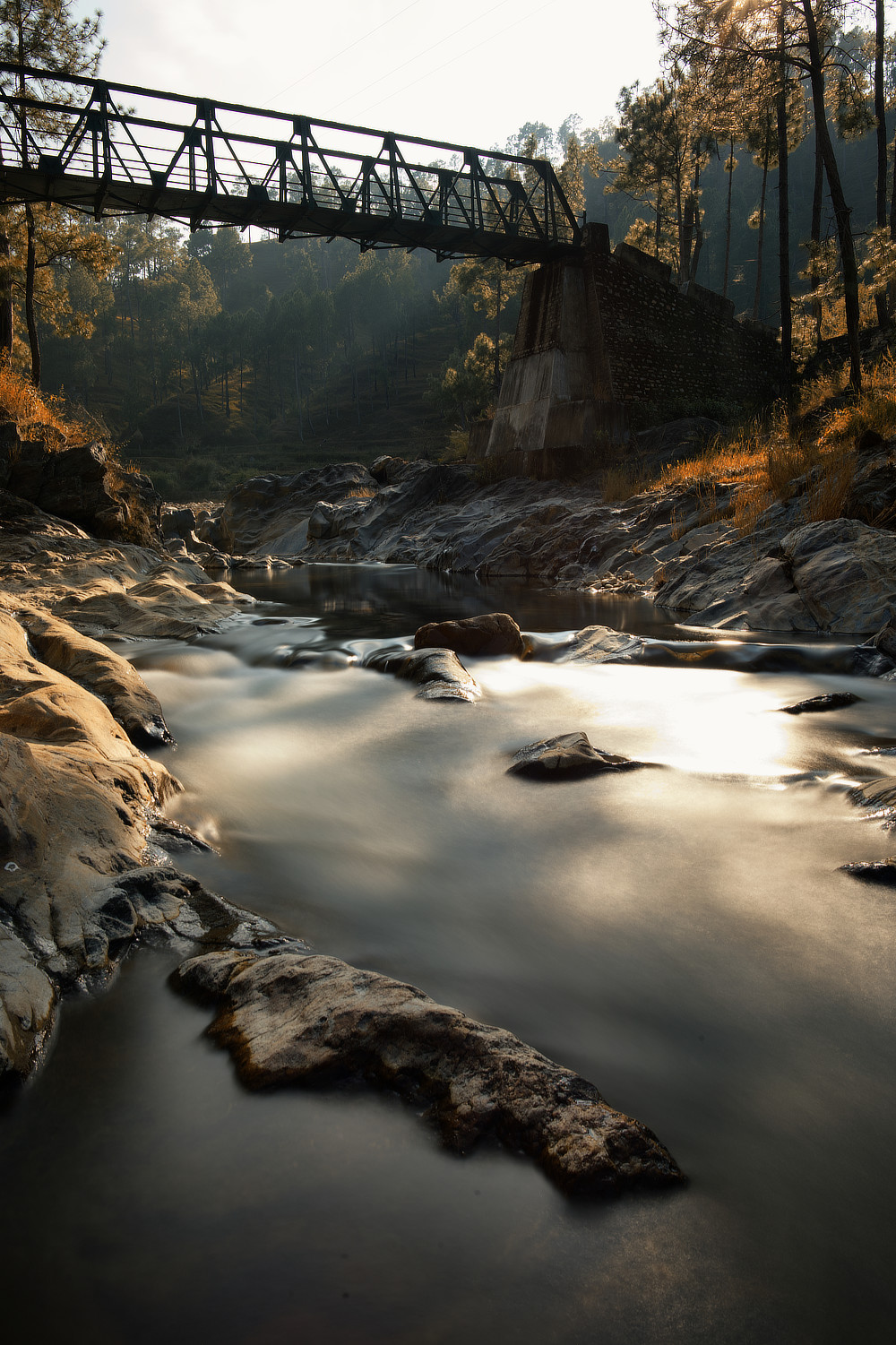
Bridge over a mountain stream

(Bridge over a mountain stream – About a half minute exposure at f/16, ISO 50, with an ND filter on.)

Continue reading Stop Overdoing Things!

Picnic by a Mountain Stream

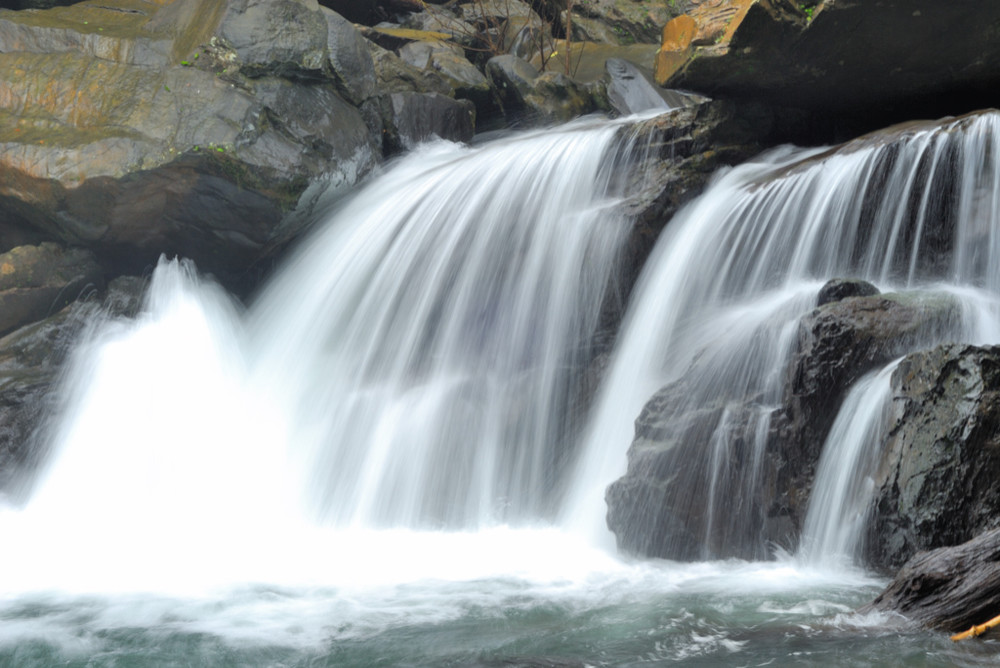
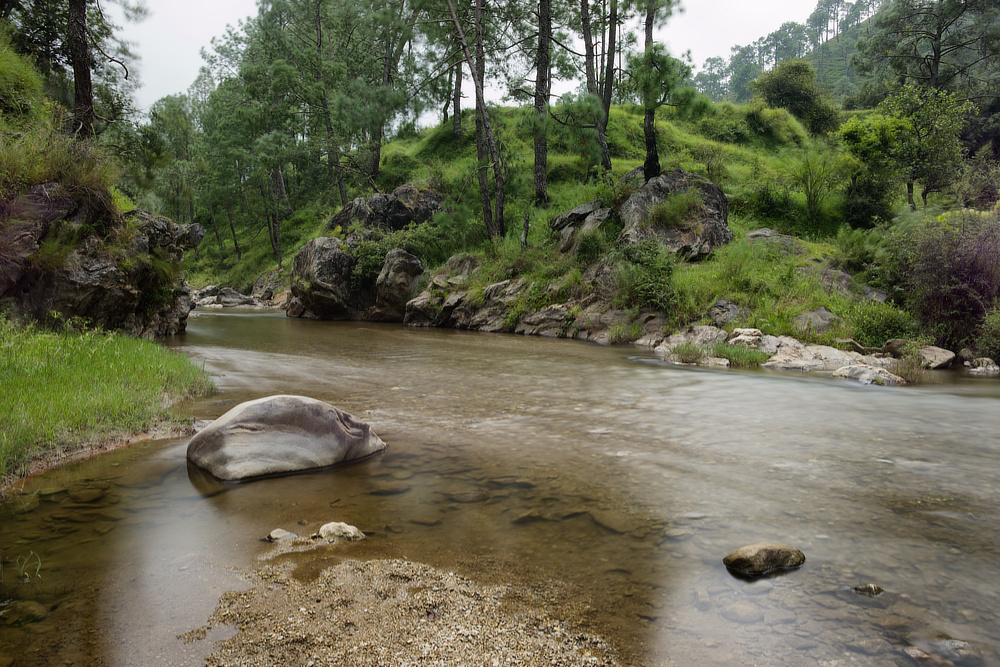
A few days ago, I had the opportunity to visit a small mountain stream near my home. A group of friends and I planned a picnic there. I’ve always been drawn to mountain streams with their rugged rocks and cascading waterfalls, and this one didn’t disappoint. It promised a day filled with picnicking by the stream, refreshing dips in the chilly water, and capturing some captivating motion blurs. It was shaping up to be a fantastic day.

Continue reading Picnic by a Mountain Stream

Rains in the Hills

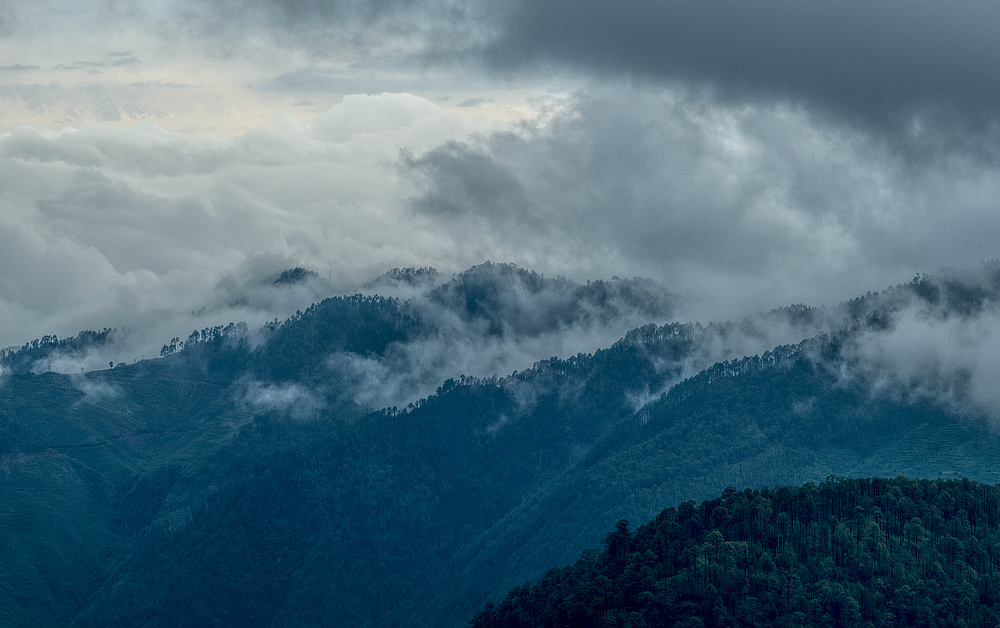
The monsoon season brings a captivating charm to the hills. It transforms the surroundings into a lush, vibrant green landscape. The water sources are replenished, and nature comes alive with new energy. The hills become enveloped in floating clouds, occasionally confining us indoors for days. During these moments, we find ourselves captivated, gazing at the mesmerizing display of clouds through the windows, appreciating the beauty they bring to our surroundings.

Clouds floating around on a distant hill
Continue reading Rains in the Hills

Rain on The Roof

Coates Kinney wrote these lines more than a century ago, and yet, even today they make sense :

When the humid shadows hover
Over all the starry spheres,
And the melancholy darkness
Gently weeps in rainy tears,
What a joy to press the pillow
Of a cottage-chamber bed,
And to listen to the patter
Of the soft rain overhead!

This afternoon, sitting alone indoors, I watch as dark clouds beautifully envelop the valley outside while the rain drums its soothing rhythm on the roof. I find myself pondering the present and the future. My camera rests on the table to one side, and the calendar displays empty days on the other. Rainy days always evoke a mix of emotions, but today, the sadness feels more profound than the joy.

Continue reading Rain on The Roof

ReWilding the Garden

Our unwavering belief in preserving nature in its true form is at the heart of our rewilding philosophy. By allowing nature to take the reins, we have successfully transformed a small patch of land into a thriving mini-forest. This sanctuary is now a haven for a diverse range of plants, insects, birds, and animals.

We take pride in our efforts to promote biodiversity and restore the natural ecosystem. Through rewilding, we have created an environment that supports and sustains various forms of life, while also providing a serene and beautiful space for us to enjoy.

Wild Flowers and Apple
Wild Flowers and an Apple Tree
Continue reading ReWilding the Garden

Maintaining a Healthy Lawn

For our guests, I wanted to provide a place where the could relax. As I gazed upon the small piece of land in front, I divided between rewilding the place or making it into a lawn. The comfort of our guests won and it was then clear that transforming it into a lush, inviting lawn was the perfect choice. Vivid images swirled in my mind, depicting blissful moments spent reclining on the vibrant grass under a radiant sun. I could almost feel the cool touch of a bottle of beer in my hand, accompanied by soft, melodic tunes drifting through the air. The sky above me played host to graceful clouds, occasionally caressed by a refreshing mountain breeze.

Lawn

Continue reading Maintaining a Healthy Lawn

Capturing Emotions – Sadness & Despair

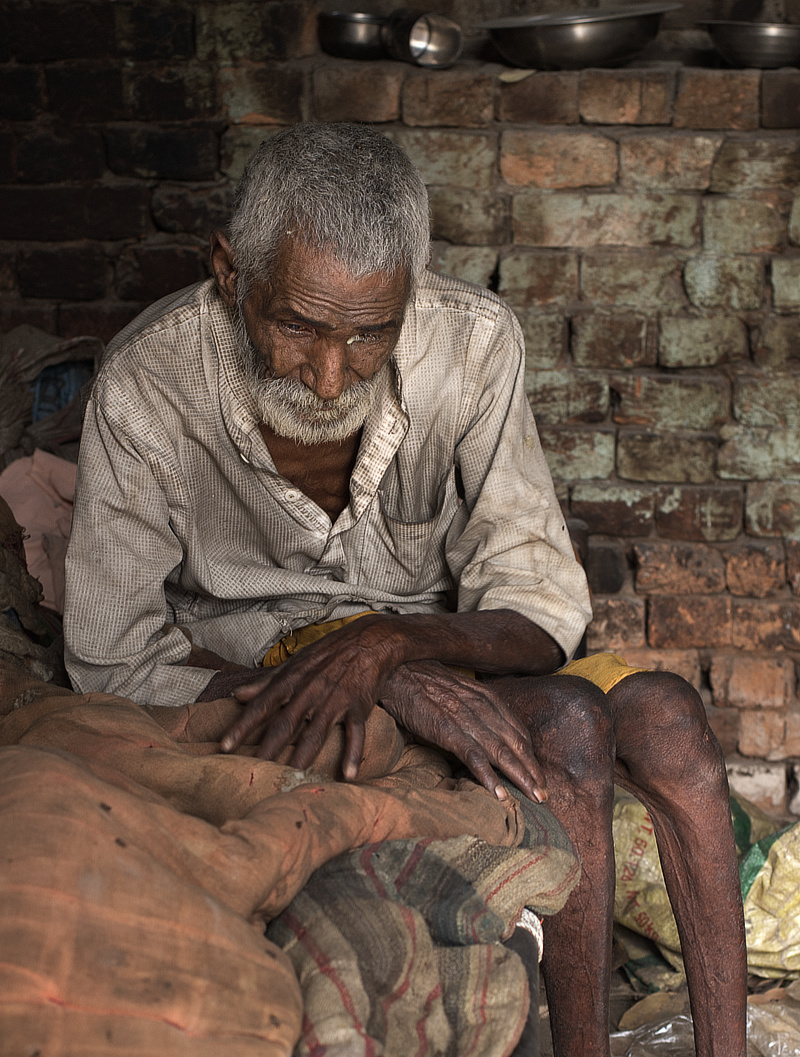
On a recent photography assignment, I was capturing numerous smiling faces and street portraits. Later in the evening, while discussing my work with a friend, he suggested that since I was already photographing on the streets, I should also capture moments of sadness and despair. So, here are a few photographs that attempt to convey those emotions. I’ll also try to analyze each photograph to explain why it evokes such feelings.

Photograph of a sad man
Continue reading Capturing Emotions – Sadness & Despair

Conifers: Love-Hate Relationship

Coniferous trees (Deodars, Pines, Spruce etc.) thrive abundantly in various locations throughout my region. Having spent extensive time among villagers and foresters, I have come to comprehend the complex sentiments surrounding these. Interestingly, these trees evoke a dual response of both adoration and disdain among the majority of individuals I have encountered.

Dense Coniferous Forest
Continue reading Conifers: Love-Hate Relationship

Keeping Warm in Winters

Winters can be incredibly harsh in the hills, as temperatures that may be tolerable in the plains feel considerably colder in hilly regions. The wind factor and the reduced hours of sunlight play a significant role in intensifying the cold. However, with the passage of time, I have acquired the skills to keep myself warm. I have mastered numerous simple techniques and discovered effective strategies that have proven invaluable. Allow me to share this comprehensive list with you, in the hopes that it will assist others in embracing the winter season while staying warm. Whether you reside in a region where winter has already passed or is yet to arrive, I encourage you to bookmark this article and revisit it whenever you feel the chill creeping in.

Frost crystals on leaves
Continue reading Keeping Warm in Winters

Ramlila at Natadol & Behind the Scenes…

With the festival season in full swing, the village near my home celebrated in its own unique way. Although the celebrations were toned down due to Covid-19, the festive spirit remained. Masks adorned nearly every face, and people avoided gathering in large crowds, yet the season retained its joyous atmosphere.

One of the major attractions in the region is ‘Ramlila,’ a dramatic reenactment of the Ramayana. This ten-day spectacle provided a wonderful opportunity to capture some intriguing scenes, both on stage and behind the scenes.

Continue reading Ramlila at Natadol & Behind the Scenes…

Stuff Happens…. Anecdotes from Night Photography

A few days ago, one of my readers suggested that, in addition to covering the basics of capturing night landscapes, star trails, and the Milky Way, I should also discuss the challenges and common mistakes involved. Each time I venture out to photograph nightscapes, something memorable happens. From simple mistakes to unforgettable incidents, every photo shoot is unique and offers valuable lessons.

Starry Sky

Continue reading Stuff Happens…. Anecdotes from Night Photography

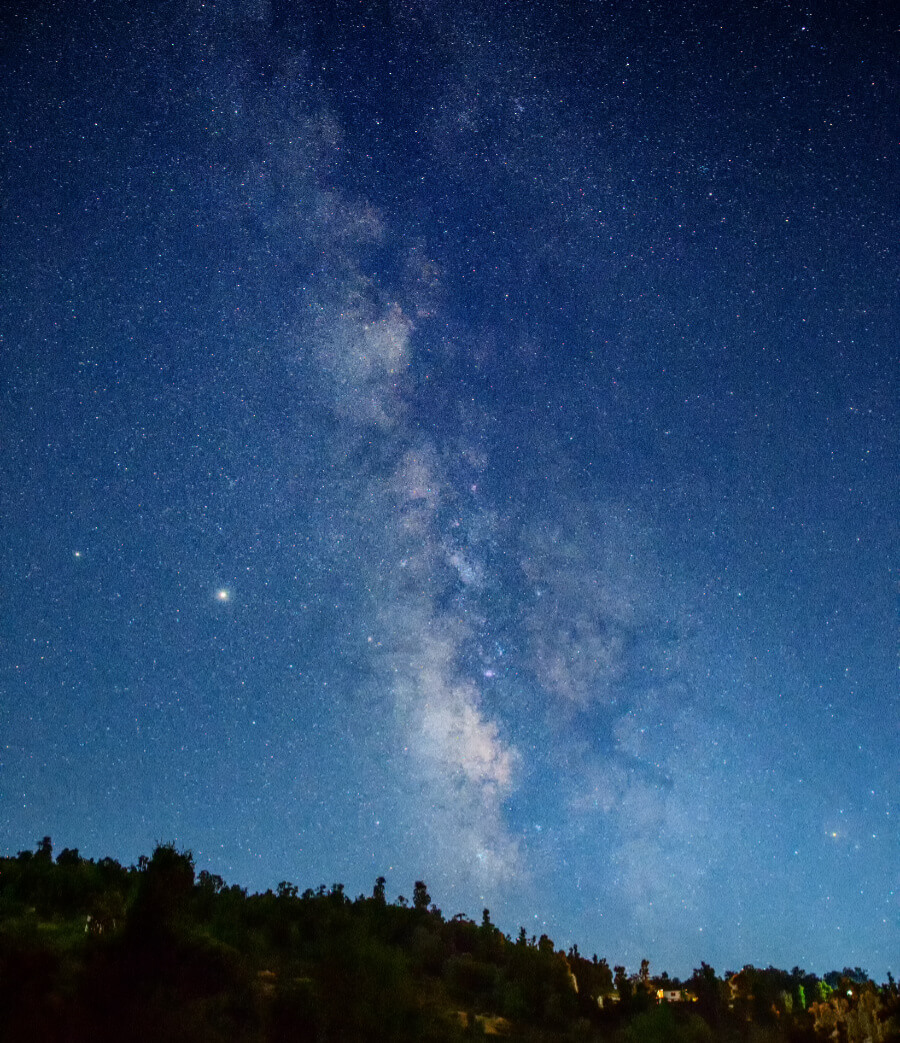
Aiming for the Milky Way

I’ve been taking a lot of nightscapes and star trails lately. Just a few days ago, I saw a photograph of the Milky Way shared in a WhatsApp group. More than the photograph itself, what intrigued me was the statement from the photographer, who mentioned spending many months, possibly years, and countless failed attempts to capture that perfect shot. While the photograph was impressive, the statement felt like something out of a reality show, aiming to tug at the emotional chords of some gullible readers. I thought, why not try capturing some Milky Way shots myself the next time I’m out photographing star trails? They are not difficult. The pictures here are from an inexpensive camera and done up in a hurry.

(The faint colors in Nebulae can be seen even in simple Milky-Way snapshots. Someday, I’ll get myself a powerful telescope to enjoy all these)

Continue reading Aiming for the Milky Way

Have you overdone it? (Part 2)

In continuation with the earlier article – Have you overdone it?, here, I’ll be pointing out some more very obvious errors. If you are committing these mistakes, try to avoid them in the future. If you are not, well and good, don’t go overboard with photo-editing or post-processing.

Remember, this article is to train your eyes to observe. So, stare at these images and see the flaws. Don’t try to skimp through it. Read this only if you have time and patience. Once you learn to see the flaws in photographs that would otherwise go unnoticed, you’ll start seeing the obvious darkroom flaws everywhere. Remember, you have been warned!


Overporcessed Image

Continue reading Have you overdone it? (Part 2)

An Evening With Clouds

This evening, as I wrapped up my work, the sky was blanketed with clouds, and a light fog had settled in. I had completed all my farming and gardening tasks for the day. The rain had come and gone in bursts throughout, leaving the atmosphere heavy and overcast. With the day’s chores behind me, the evening was perfect for photography.


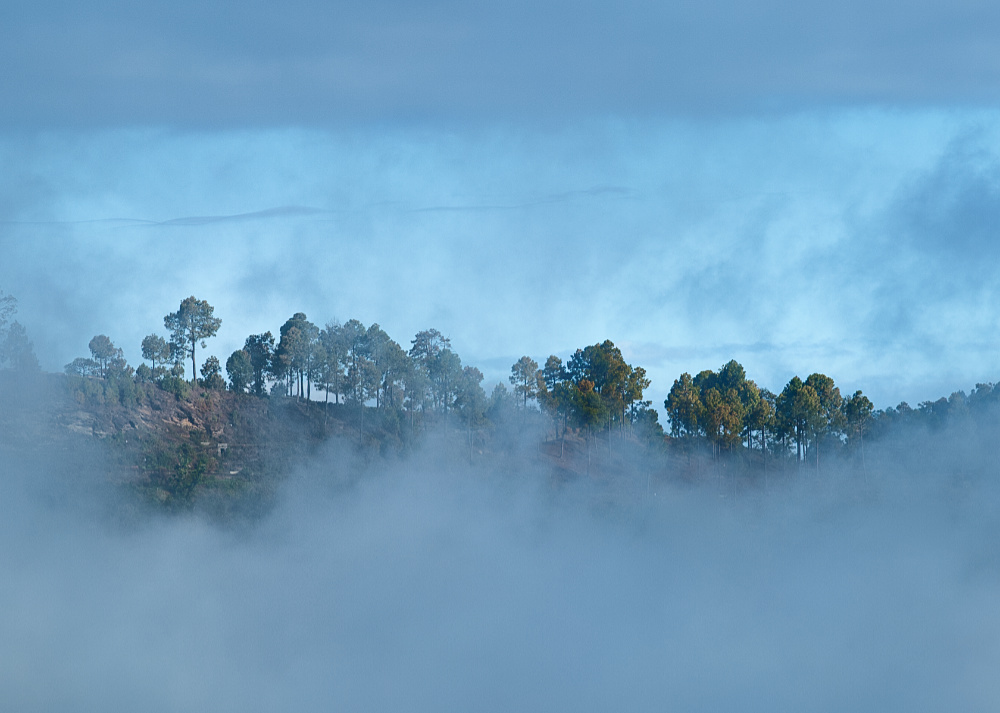
Distant Trees

(Distant trees through a gap in floating clouds)

Continue reading An Evening With Clouds

Capturing Starry Skies

Lockdowns have cleared the atmosphere a lot. Even in cities, now, the night skies can be seen dotted with stars. Earlier, I had written about creating star-trails. Here, I will write about how to photograph starry skies (and not create star-trails).

Starry Sky

(Starry Sky – Photographed using a 25mm lens. The photographs in this article have been processed to appear realistic. They look better on large screen displays than on mobile phones.)

Continue reading Capturing Starry Skies

Lock-Down & Photography

The lock-down is terrible and as per the authorities, this is the only way out. So, I started off with various tasks to keep me busy. Most of them were the tasks that I had been postponing for a long time. Creating Back-Ups, cleaning up the storage, post-processing some old files again, polishing my photo-editing skills, and catching up on lots of reading. Still, there are times when I miss going out and photographing. Today, I took out my camera and started clicking whatever I could.


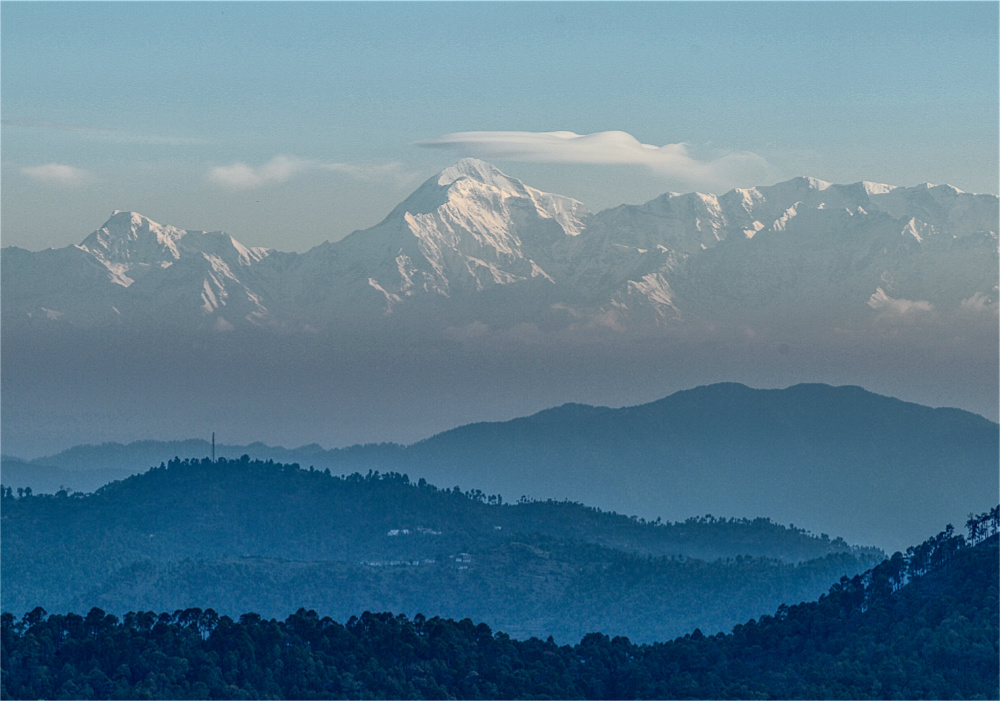
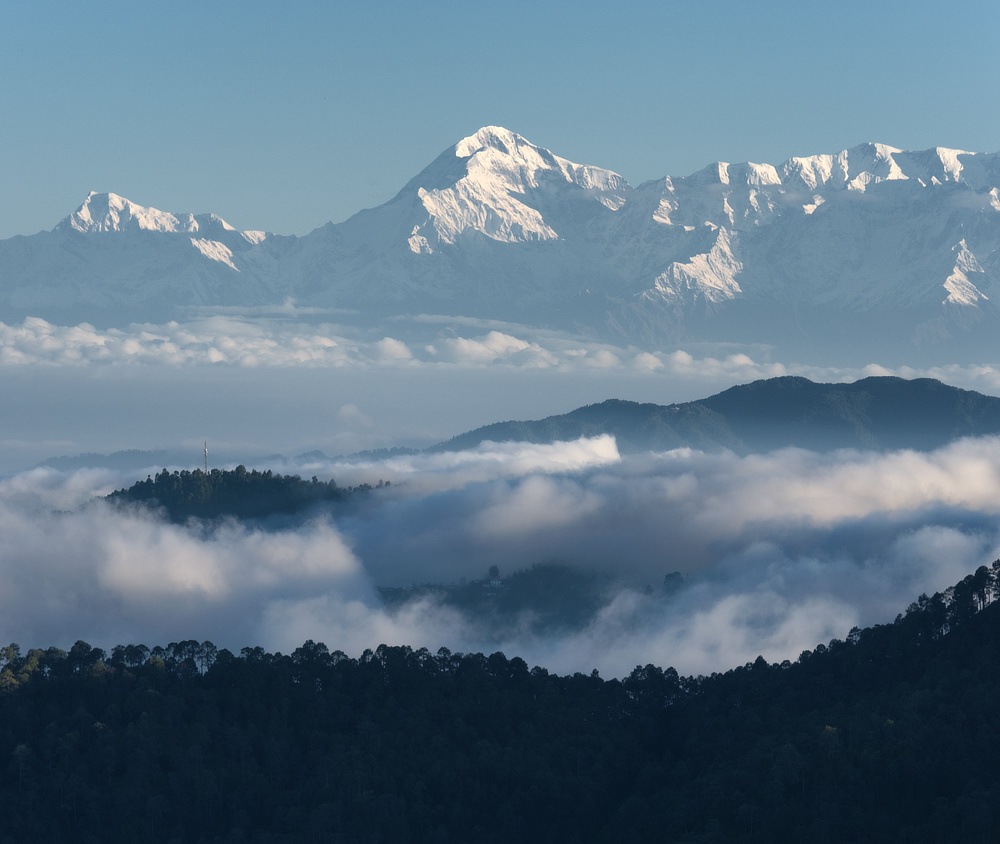
Trishul Peak in Morning

Continue reading Lock-Down & Photography

To-Do list during Social Distancing

Social Distancing! Home Quarantine! Isolation! Janta Curfew! Lockdown!

When you are to stay at home, what is it that you can do as a photographer? Here is a list of things that I have planned to do over the next few days. Some of these are tasks that I had been putting off for a very long time. Apart from spending some quality time with my family, catching up on some old books and trying my hand in the kitchen, this is what I intend to do –

Puppy

Continue reading To-Do list during Social Distancing

Rendezvous with Fellow Photographers

Just a few days back, a couple of photographers came to stay at Maini’s Hill Cottages, our homestay. They were old friends. They came on a family vacation and had their photography gear with them. A photographer will always remain a photographer after all. What followed were two days of great photography and photo-walks and some beautiful moments spent together.

Continue reading Rendezvous with Fellow Photographers

Panoramas, Snow & Coffee

While planning to write a better title, I thought and thought, but then I just wrote down the three words that came to my mind. Why waste time on a title when I have so much more to say? This article is just about these three words and how I got around to creating some panoramas.

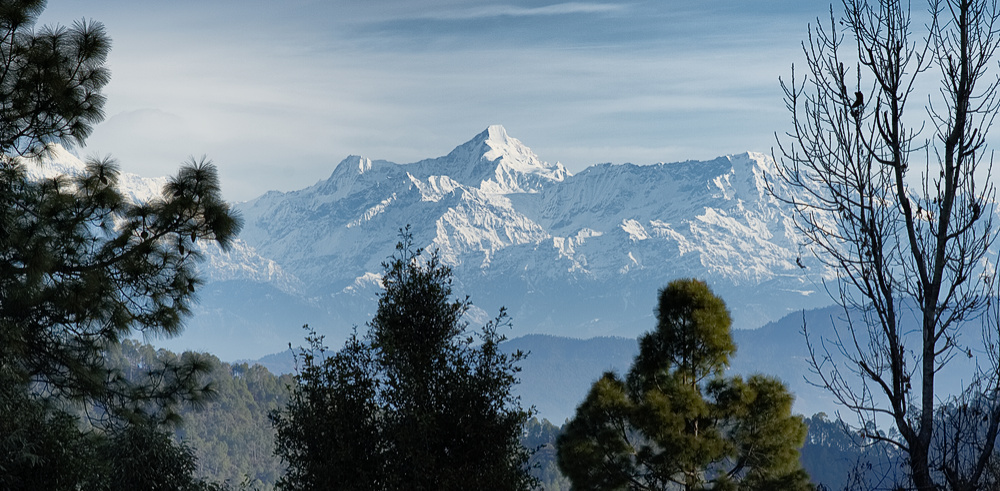
Himalayan peaks after snow-fall

(Himalayan peaks after snow-fall – captured just a few days earlier)

Continue reading Panoramas, Snow & Coffee

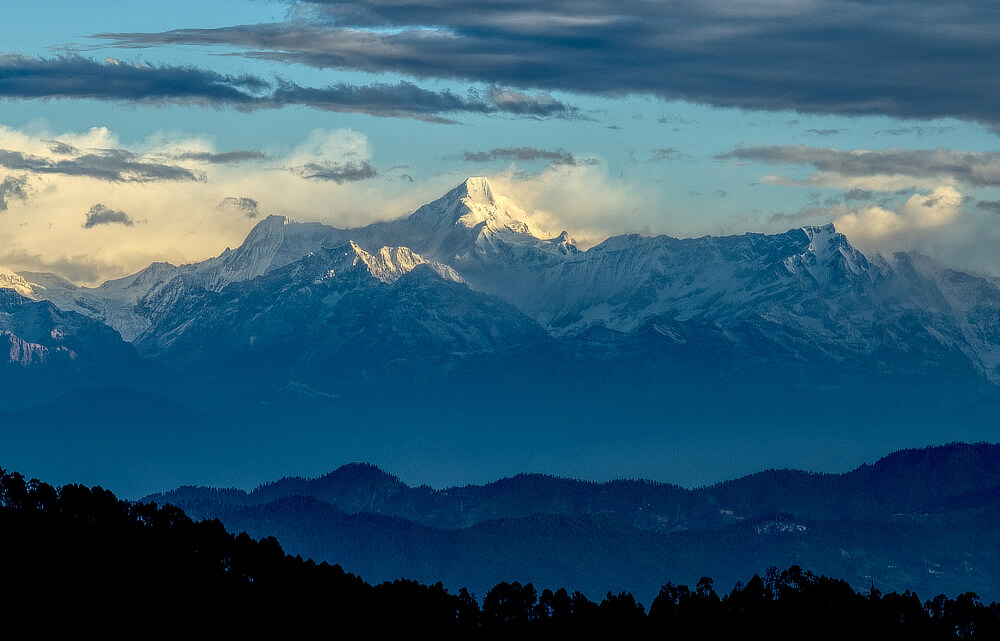
On trail of snow-capped peaks

Hills have always drawn me in, but there’s something especially captivating about the sight of distant snow-covered peaks. Every winter, these glimmering white summits become my favorite photography subjects. With each peak, varying weather conditions, and different times of day, the landscape is constantly changing. Every day offers a fresh perspective and a new subject to capture.


Storm on a hill

(Is that an early morning snow storm on the peak that I just captured?)

Continue reading On trail of snow-capped peaks

The Wonder that were Slides

After spending a few years with just the essentials, I’ve decided it’s time to move everything to my new place. Although it’s a small house, it boasts a stunning view of the hills. While packing, I discovered a drawer full of 35mm slides and transparencies, accompanied by a small portable slide viewer. This discovery was quite nostalgic and prompted me to take a moment to reminisce. Surrounded by these priceless memories, I let packing tape and cartons sit for a few extra minutes.


Continue reading The Wonder that were Slides

Common Composition Mistakes – Avoid These!

Today, as the rain pours outside, I’m lounging at home, reflecting on some of the recent photographs I’ve seen. A few common mistakes in composition come to mind. Are you making any of these errors? If so, they might be holding your images back from reaching their full potential. Discover these mistakes and learn how to avoid them in your future compositions.


Continue reading Common Composition Mistakes – Avoid These!

Creating Memories, Not Photographs

My parents recently came to visit, and we went on a couple of outings together. While I was busy composing my shots, they were happily snapping away with their phones. I couldn’t help but notice their photos lacked clarity—poor composition, bad lighting, and sometimes the faces weren’t even recognizable. When I mentioned this, their response took me by surprise: ‘The photos may not be perfect, but they’ll help keep our memories clear!’ It was a simple, yet powerful reminder that sometimes the meaning behind a photo matters more than technical perfection.


Lonely Tree
Continue reading Creating Memories, Not Photographs

Learning from Johannes Vermeer

Johannes Vermeer was a Dutch painter known for his limited but exquisite body of work. Despite painting only a few pieces and never traveling far from home, he remained relatively obscure until some prominent figures recognized his talent. For photographers, Vermeer’s paintings serve as both inspiration and a valuable source of learning.


Girl with a pearl earning
Continue reading Learning from Johannes Vermeer

Minimalism in Photography

KISS… Keep It Simple, Stupid!
A girl-friend had once told this to me. Quite a famous line and I don’t even know where it originated initially. Little did I know that after so many years, this will become the opening line of this article.

Keeping compositions simple is one of the most effective ways to make them powerful. A strong composition that is easy to understand and conveys its message clearly is the best gift you can offer your viewer. This embodies the essence of minimalism in photography.

Rock and Swirls
Continue reading Minimalism in Photography

Star Trails

A few weeks ago, a friend and I spent a few relaxing days at our homestay. We planned on some night photography on one of the evenings. It was a cool, moonless night, perfect for capturing some night shots of the cottages. We switched on all the lights and set up at the far end of the driveway. With the tripod in place, camera settings dialed in, and exposure checked, we began shooting the scene.

Continue reading Star Trails

Critique… Improve… Critique… Improve…

A motivational speaker and a friend of mine once told me, “feedback is the breakfast of champions”. This is especially true when it comes to learning photography. It sounds obvious but very few of the photographers actually make use of it. If you are a photographer trying to improve your skills, do try to get some artists and photographers to critique your work.


Kumaon Hills

Continue reading Critique… Improve… Critique… Improve…

Nature Walk at Natadol

With the heat of summer settling in, nothing compares to the cool embrace of the hills—a perfect retreat for relaxation. Last weekend, that’s exactly what I did. Joined by a few close friends, we spent our time in a lazy rhythm, the evening slipping away as we chatted under the starlit sky. The next morning promised adventure, as we had planned a nature walk with our resident guide. The anticipation made it hard to sleep. As the first light kissed the snow-capped peaks, I was already up, camera in hand, ready to capture the beauty of the morning.


Morning light on snow peaks
Continue reading Nature Walk at Natadol

Revisiting raw files

There are some special places that we like to visit again and again. That beautiful cottage on the hills with a view, that roadside cafe selling your favorite coffee, that corner store with its oddball collections, that winding road on the hills… the list goes on. There are our favorite songs that we never get tired of hearing or the movie that can always entertain us. For me, my old photographs are also a precious treasure, which I love to visit again and again. However, this time, I thought of revisiting the raw files!

New PhotoOld Photo

(The photograph on the left is processed from an old file that I had used for one of my articles here, few years back. On the right is the image that I could get from its raw file 10 years back. Notice the lack of information in the overexposed area in the photograph.)

Continue reading Revisiting raw files

Novice Alerts !
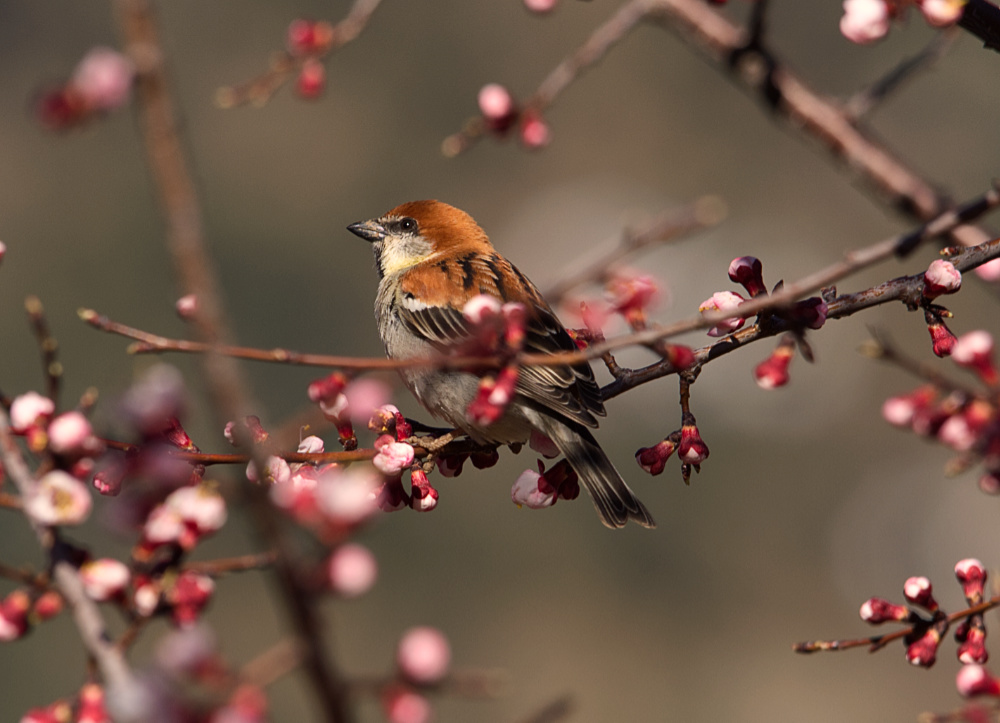
Lately, I have been asked the same question in many different ways –

  • What is it that makes a photographer look like a beginner?
  • What mistakes do starters in photography commit?
  • What are the signs that tell that a person is new to photography?

… and so on! First and foremost let me clarify, there is nothing special that tells who is a beginner and who is not. Second, the fact that a person is a beginner or has been in the field for donkey years, does not correlate to photography skills.

 

Bird using a Canon Powershot SX130 IS camera
Continue reading Novice Alerts !

Birding & Bird Photography

Lately, whenever I check out any photography groups, I always end up seeing many bird photographs. With the easy availability of cost-effective and sharp long-teles, this is now within reach of many. Everyone who had a passion for bird photography is now able to indulge in that. Get an advanced camera, mount a telephoto lens, switch to auto and start clicking! That’s what most photographers clicking birds do. Sounds easy, does it not?

Continue reading Birding & Bird Photography

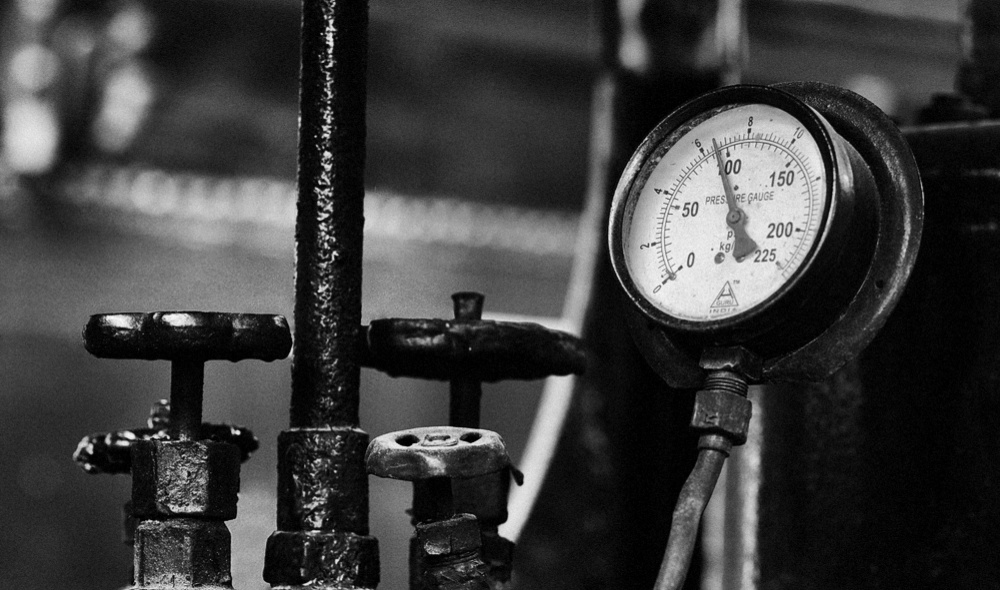
Balancing Elements – A Study of Locomotive Parts

Do you recall the sketches from your childhood? Recently, my parents shared with me some of the sketches that I had drawn as a kid. The most common sketch was a landscape done with crayons. It seems I was quite fond of it. There was a row of mountains, a river flowing down from the mountains dividing the foreground into two parts. One of these had a simple house and the other part had a tree growing. Behind the hills, on one side was the sun and on the other side were birds flying. I am sure many of you created similar sketches. Now even my daughter creates similar sketches.


Following up on those days, this is how I have started to balance out my compositions. Now I am learning to let the creative side of my mind, loose. The results seem more pleasing to me now.

Pressure Meter

Continue reading Balancing Elements – A Study of Locomotive Parts

Farmer’s Despair – Improving Composition

On one morning, I ventured out with a couple of my friends. Aim was to photograph some of the rural India. It was a photowalk combined with some quality time with friends. Little did I know that this would let me understand the pains of farmers and help me in my photography-journey.

Continue reading Farmer’s Despair – Improving Composition

Avoid these 5 mistakes! (Not related to camera)

Everyone makes mistakes. I did and still do. From creating film-rolls which were a total waste to present day digital files from which not even a decent image can be recovered.  Yes. I do commit mistakes and keep on doing so. Here is a list of non-technical mistakes that I find quite common (by me and my photography colleagues). Some of them are technical whereas others are related to expanding our visualization of photographs.


Horse driven carriage

Continue reading Avoid these 5 mistakes! (Not related to camera)

Cup of Chai & the Sparrow

A very happy new year to all my readers.

Today morning, I got up with a warm inner feeling. It is the first day of the new year after all. What exciting things to do? The best thing, I could think of, was to walk down to a neighborhood kiosk and have a cup of piping hot tea with milk (or better known as masala chai) and enjoy some early morning photography. Packed a camera with a normal lens and I was on the road, striding towards the tea-stall.


Continue reading Cup of Chai & the Sparrow

When the clouds clear up!

On a wet autumn evening, when the clouds are all over the sky and thunderstorms frequent, only a handful of people want to venture out. For photographers, these are opportunities to be encashed. Beautiful photographs can be made. With a plan to capture some beautiful fall pictures, I stepped out with a group of friends. Leaving the comfort of dry place behind, we trekked on a muddy path, with our feet wet, mud everywhere but spirits high! After all, we were in the lap of nature.

Clouds in the Valley

Continue reading When the clouds clear up!

Photowalk – Yet another Mountain Stream

A rainy Sunday morning. Four of us gathered up early in the morning for a planned photowalk. Yesterday evening, we had thought of going for an early morning outing. Rain or no-rain, the photowalk was still ‘on’. We were not going to let a few drops downpour spoil our plans. Packed with our photography gear and umbrellas, we all started off for our destination while the day was still breaking out. With an overcast sky, the photography was going to be nice, provided the rains stopped a little. The destination? A mountain stream that should be nicely flooded at this time of the year.

Cascading mountain stream

(Cascading mountain stream – this is the place we wanted to visit)

Continue reading Photowalk – Yet another Mountain Stream

My favorite things!

Yesterday, I was listening to a wonderful song by Oscar Hammerstein / Richard Rodgers and performed by Julie Andrews –

Raindrops on roses
And whiskers on kittens
Bright copper kettles and warm woolen mittens
Brown paper packages tied up with strings
These are a few of my favorite things …

Yes, these would be favorite things for most and make anyone feel happy. For the photographer in me, there are a few other favorite things, that never fail to exhilarate me.


Grapes

(Photographing grapes while they remain untouched by human hands and then tasting a few, fresh off the vines!)

Continue reading My favorite things!