
Everyone makes mistakes. I make them too. Even the most advanced of photographers make mistakes. The mistakes are usually due to an oversight and sometimes due to tiredness. So, here is a list of common technical mistakes and how to avoid them.
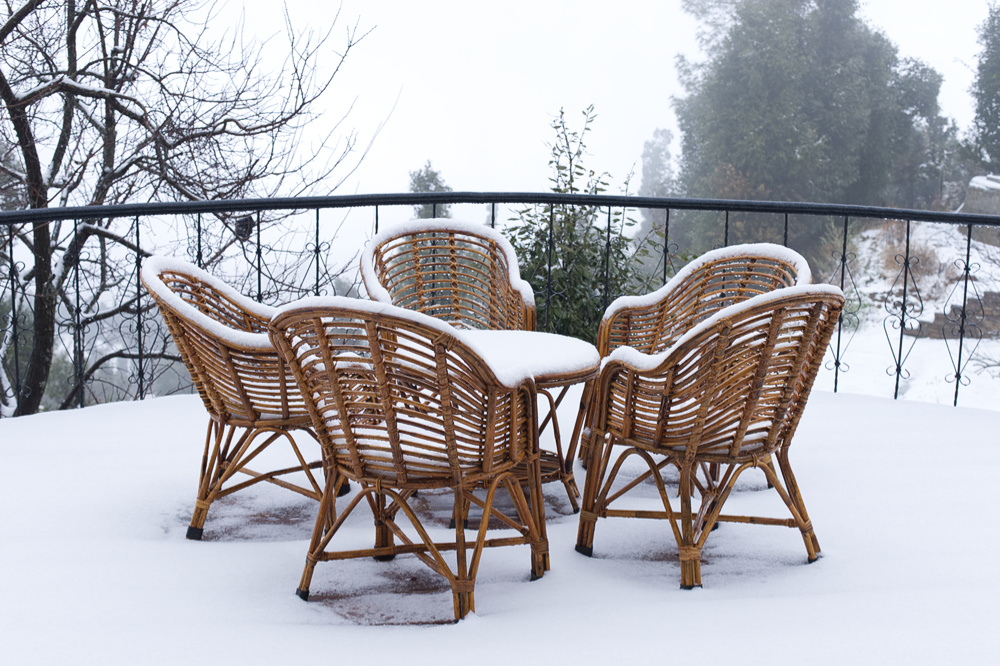
Homestay with Fruit Orchard
Everyone makes mistakes. I make them too. Even the most advanced of photographers make mistakes. The mistakes are usually due to an oversight and sometimes due to tiredness. So, here is a list of common technical mistakes and how to avoid them.
Everyone makes mistakes. I did and still do. From creating film-rolls which were a total waste to present day digital files from which not even a decent image can be recovered. Yes. I do commit mistakes and keep on doing so. Here is a list of non-technical mistakes that I find quite common (by me and my photography colleagues). Some of them are technical whereas others are related to expanding our visualization of photographs.

A very happy new year to all my readers.
Today morning, I got up with a warm inner feeling. It is the first day of the new year after all. What exciting things to do? The best thing, I could think of, was to walk down to a neighborhood kiosk and have a cup of piping hot tea with milk (or better known as masala chai) and enjoy some early morning photography. Packed a camera with a normal lens and I was on the road, striding towards the tea-stall.
Gone are the film days and gone with that is the fixed light sensitivity of films. Now the ISO can be changed with just a turn of the dial or through a simple setting in the menu. How does this help?
A picture is worth a thousand words – so the famous saying goes. How I see it is that pictures have a language of their own. They express feelings. Feelings of joy, love, despair, sadness, pain, happiness, belonging… This language is the language of photography. It is a visual language!
The oldest camera mode is the Manual Mode. It is still found on all the present day cameras on the mode dial. An obsession for some, headache for some more and an unknown dark alley for most, manual mode is an interesting little mode in present day cameras.
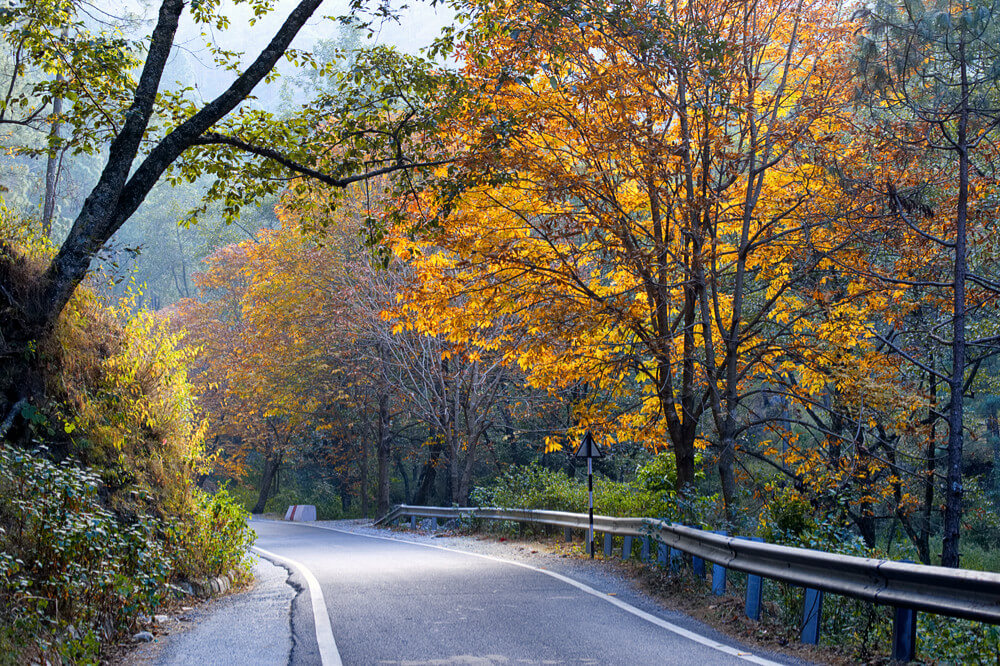
With the onset of autumn or fall, as it is lovingly called, the trees all around us start to play with colors. The leaves turn yellow and go through various shades of reds and brown before falling on the ground.
With so many beautiful and delicious dishes to savour, that we keep seeing at different places and different times of the day, it is therefore natural for the photographers in us to capture some of these creations. Food photography is flooding the instant messengers and from a professional point of view also, the demand is increasing.
Though photography always takes up the a high place in the list of my priorities, sometimes laziness comes in the way. Getting out of the bed, early in the morning, to catch those wonderful fleeting moments, can sometimes be a task in itself.
On a wet autumn evening, when the clouds are all over the sky and thunderstorms frequent, only a handful of people want to venture out. For photographers, these are opportunities to be encashed. Beautiful photographs can be made. With a plan to capture some beautiful fall pictures, I stepped out with a group of friends. Leaving the comfort of dry place behind, we trekked on a muddy path, with our feet wet, mud everywhere but spirits high! After all, we were in the lap of nature.
A rainy Sunday morning. Four of us gathered up early in the morning for a planned photowalk. Yesterday evening, we had thought of going for an early morning outing. Rain or no-rain, the photowalk was still ‘on’. We were not going to let a few drops downpour spoil our plans. Packed with our photography gear and umbrellas, we all started off for our destination while the day was still breaking out. With an overcast sky, the photography was going to be nice, provided the rains stopped a little. The destination? A mountain stream that should be nicely flooded at this time of the year.
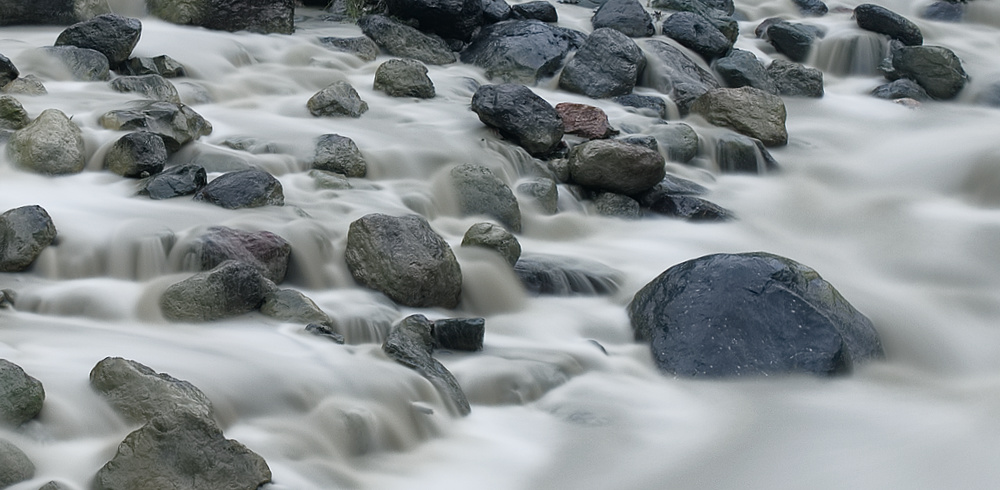
(Cascading mountain stream – this is the place we wanted to visit)
Yesterday, I was listening to a wonderful song by Oscar Hammerstein / Richard Rodgers and performed by Julie Andrews –
Raindrops on roses
And whiskers on kittens
Bright copper kettles and warm woolen mittens
Brown paper packages tied up with strings
These are a few of my favorite things …
Yes, these would be favorite things for most and make anyone feel happy. For the photographer in me, there are a few other favorite things, that never fail to exhilarate me.
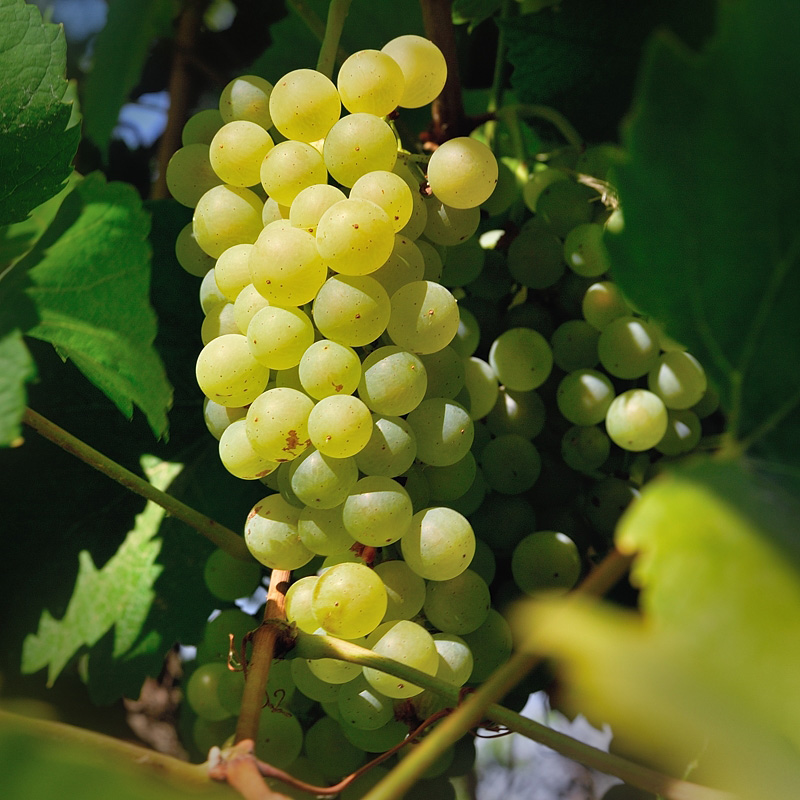
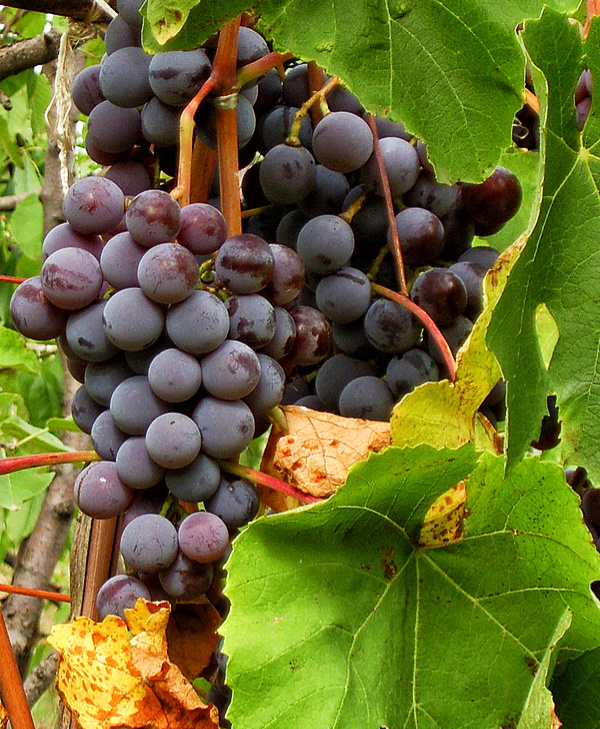
(Photographing grapes while they remain untouched by human hands and then tasting a few, fresh off the vines!)
We, the photographers, exist in various forms. There are different levels and types. From beginner hobbyists to the names that the world recognizes, from serious hobbyists to plain professionals, photographers who click only wildlife to ones who capture water droplets… we are a diverse lot.
With the monsoon season, well advanced, rains have taken their hold on the hills of Kumaon. The persistent cloud cover and high humidity gets quite depressing after a time. It also happens to my late grandmother’s birthday, who I was very fond of.
After a week of almost incessant rains, today, the weather cleared up a little. It was not raining but the sky was still overcast. The diffused light from overcast sky is what I needed for a photograph I had in mind. Armed with my camera, I once again set out to photograph some more cascades that appear with the rains.
Old monuments can be quite interesting to photograph. They are stationary. No need to focus in a hurry or set a high shutter speed to freeze the moment properly. On simple handy cameras, all that is required is a good composition, aperture to have enough depth of field and shutter speed to prevent any inadvert hand shake!
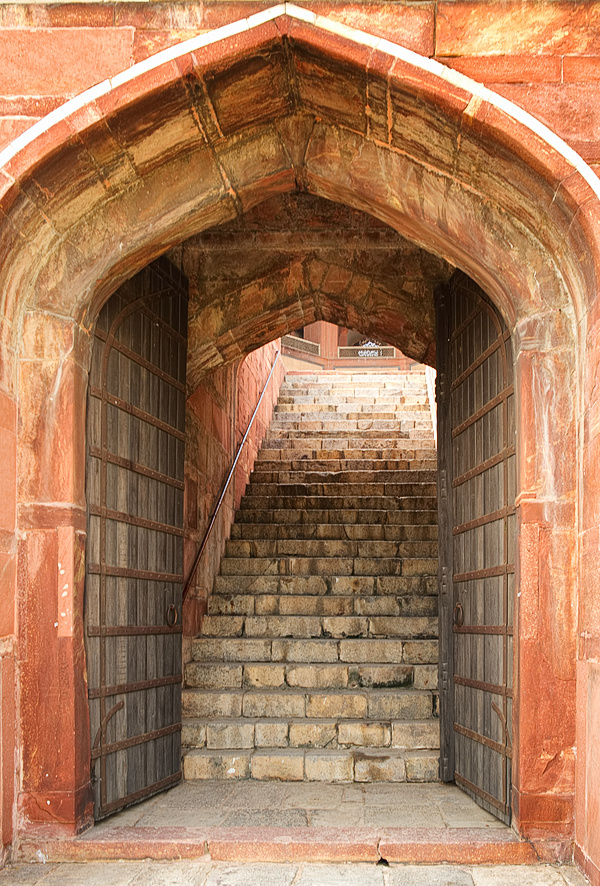
Continue reading The Stairs Photograph – Improving Composition
English is rapidly becoming the language of choice even for non-native speakers. Due to the proliferation of the internet (which happens to be mostly in English), English is now the de facto language in many places. English is not my native language and yet I also write these articles in English. So, for the literary bend in the photographer’s mind, here are some phrases every photographer should be aware of. I have compiled this list from various sources and will keep adding to it in the future.
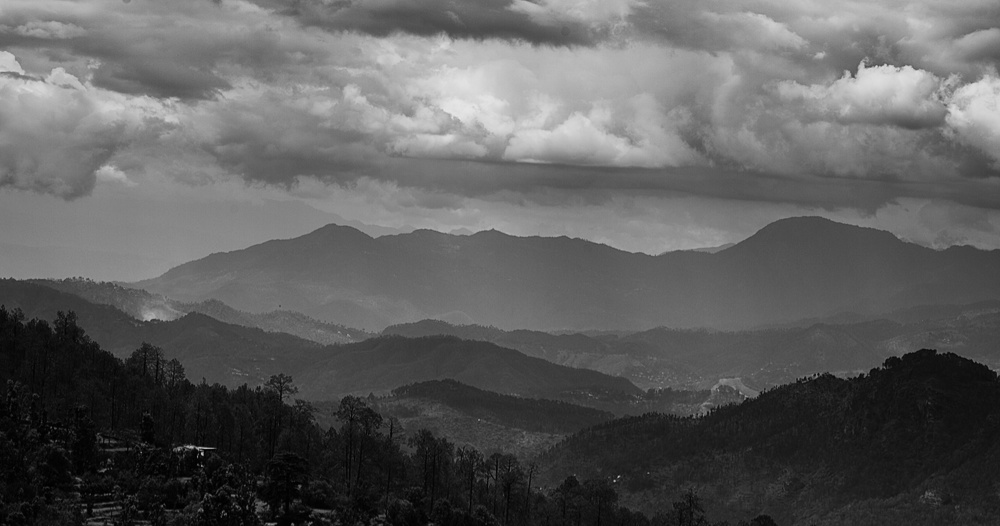
With the onset of monsoons, the nature starts to reinvent itself. The trees turn green. New leaves every where. Mountain streams start filling up and many small cascades and waterfalls appear. Yesterday the incessant rain took a short break. I immediately hit the road with my camera, tripod and a few snacks to munch on.
As the monsoons blanket the Kumaon hills, nature’s enchantment unfolds, painting the landscape with a tapestry of small cascades and waterfalls. Amidst this symphony of rain, the gurgling, crystal-clear water gracefully meanders over the rugged rocks, creating a mesmerizing spectacle that truly captivates the senses.
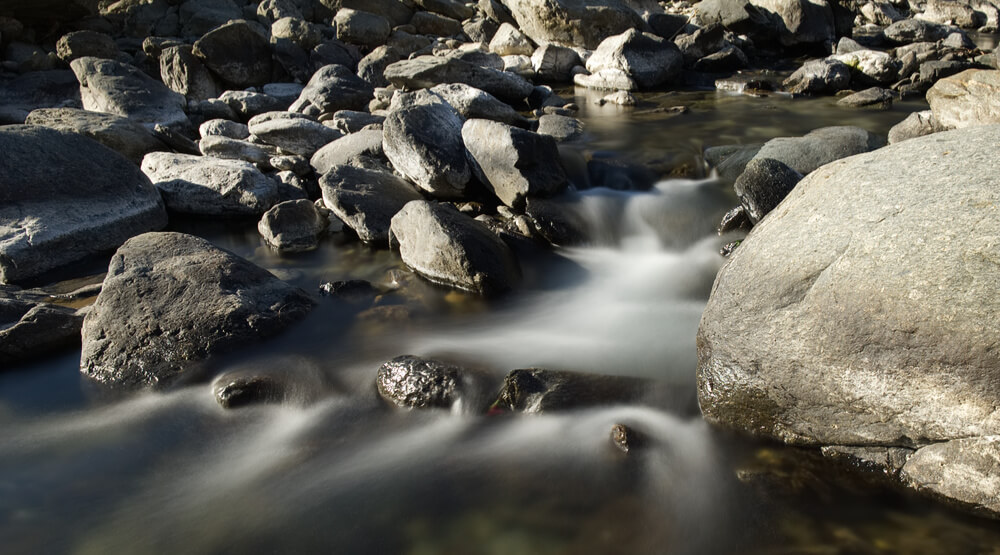
Eye-sight of individuals varies a lot. Some use spectacles and others don’t. Even those who do not use spectacles, end up with reading glasses after around 40 years of age. Camera manufacturers understand this and therefore they provide ways to incorporate minor adjustments to the camera, in sync with the requirements of the varying eye-sight.
With the onset of the rainy season, the sky gets beautifully covered with clouds. Instead of getting scared by rains and storing away the camera, why not capture their beauty?
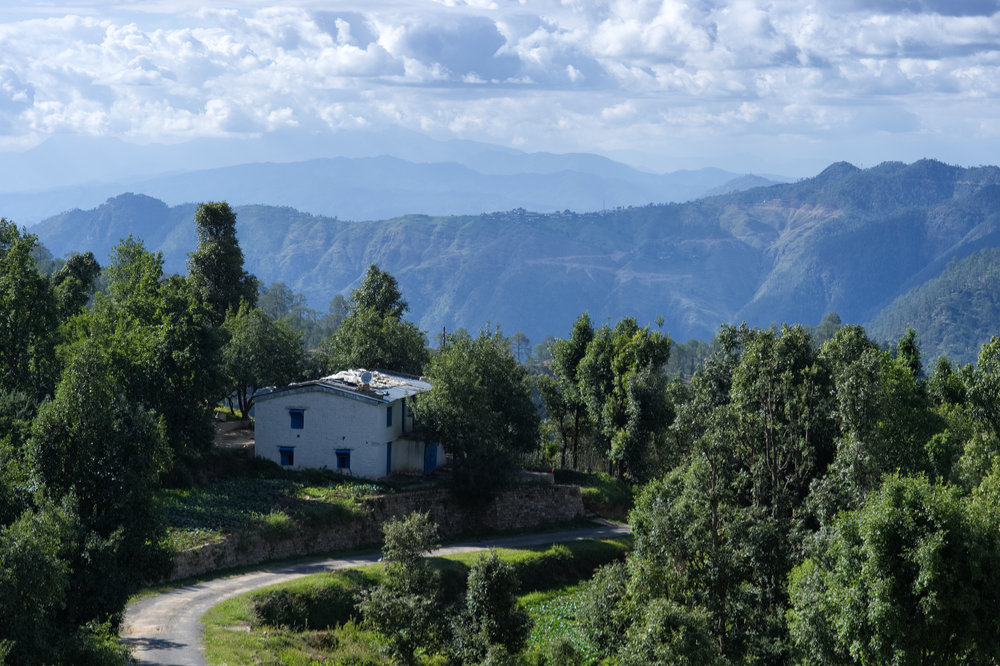
Recently, I have been witnessing a huge number of photography competitions being conducted online. Today I sat for many hours visiting all these photography competitions and was shocked. How low is the photography going? It seems that now some people come together, form a group and conduct photography competitions. Some of these are on a daily basis too!
(Photograph to fill the space and break the monotony of text.)
Some of the things that I noticed consistently in most of these photography competitions –
Small insects have their own kind of world which very few are aware of. Photographing small insects is quite pleasing and full of some wonderful surprises. Though quite similar to macro photography and butterfly photography, photographing small insects requires a different kind of skill set and a different way of photographing things.
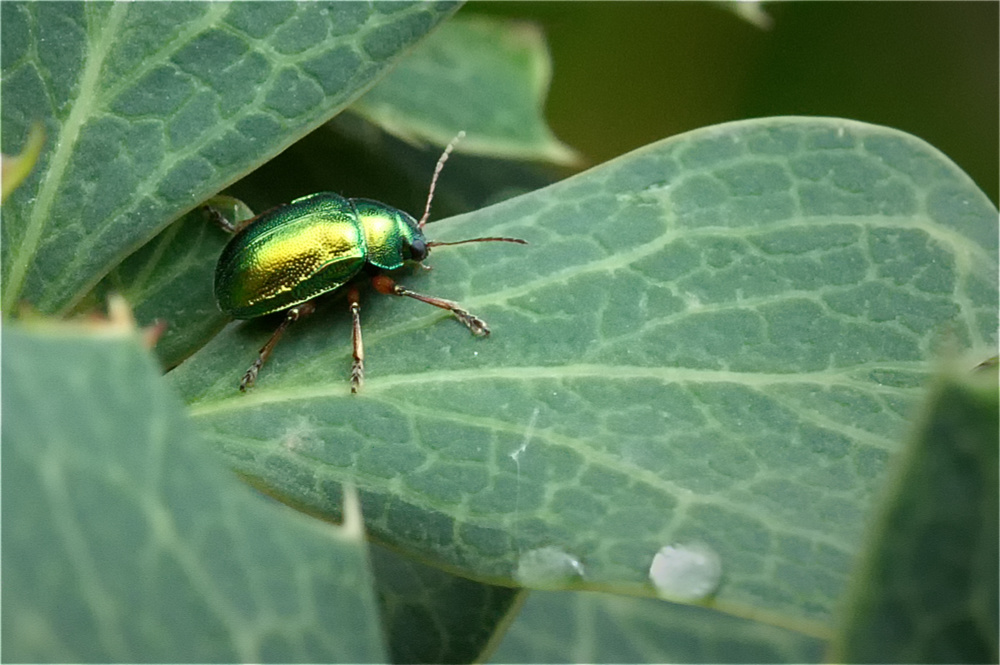
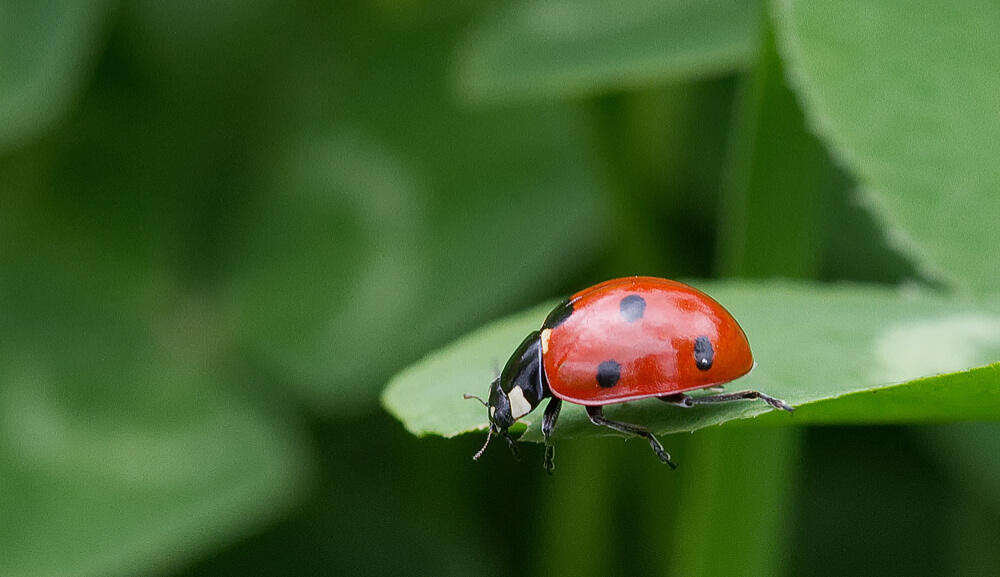
White Dutch Clover is a wonderful cover crop that we use in our orchard. Apart from making the ground look green and beautiful, it has its benefits. Ladybirds, which are also some of the most beautiful insects in nature also love to make these clover patches their homes. Various other insects also love these patches of white clover.
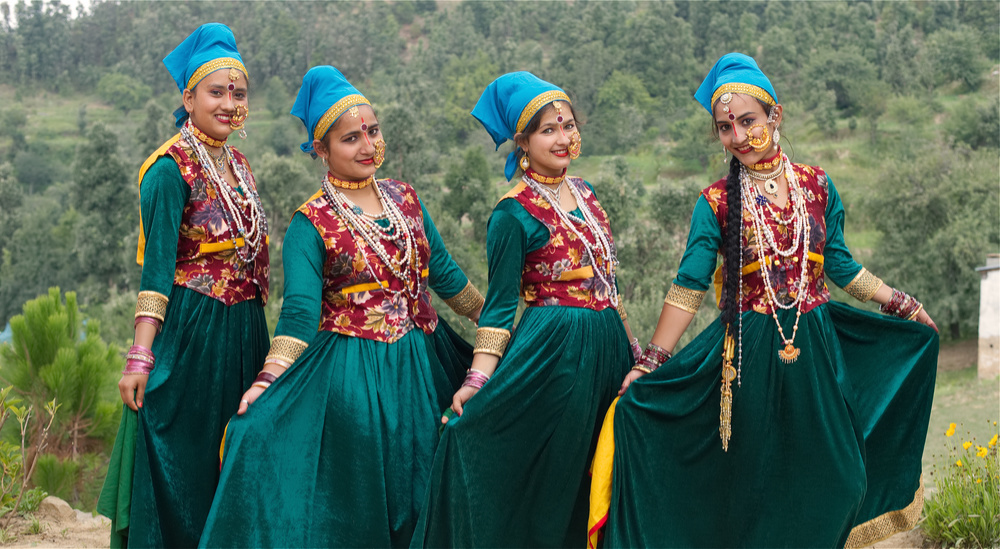
With the end of summer season round the corner, Natadol, a small laid-back village in Kumaon organized a summer festival. The people of Kumaon are very proud of their heritage and culture and this event was an ideal platform to showcase that. The three day festival had all the villagers coming together, participating and putting forth three days of simple yet engaging performances. I was lucky enough to be a part of this festival and witnessed the culture of Kumaon from within.
Very often, I tell photographers not to overdo photo-editing. So, how does one know when is it overdoing? What are the obvious errors to be on the lookout for when editing the photographs?
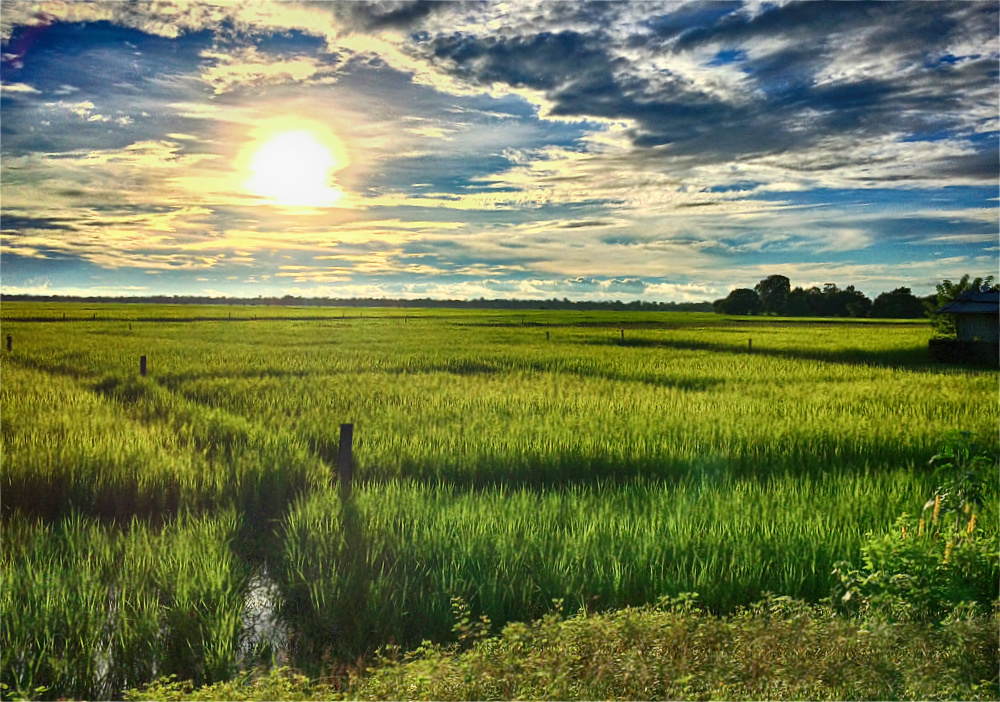
Once you have savored these fruits, an insatiable craving for them will take hold, compelling you to indulge in their delightful flavors year after year.
Innumerable number of photographs get clicked everyday by snap-shooters and photographers. A very very minuscule number of these photographs are worth taking a second look. What goes into making a photograph is a thought process and visualization of the final image. Here is a ‘behind the scene’ story of making a landscape photograph.
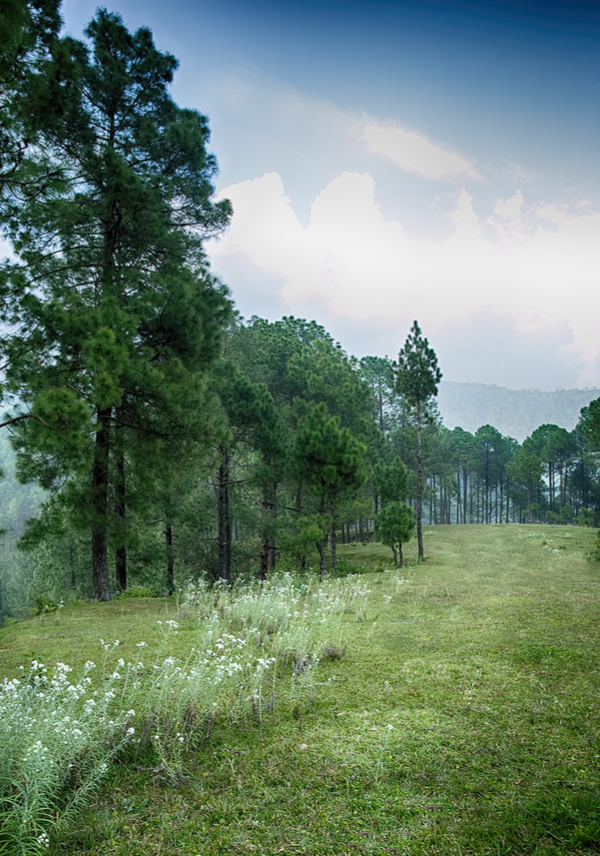
(Pasture in a forest. A very attractive location for photography)
Summers brings with itself all the colors of mother nature. Leaves cover the trees, fruits start to form. The flowers start to blossom everywhere. Every nook and corner has different types of flowers peeking out.
Sometime back I was discussing with a group about spirituality. The discussions went towards how things around us have developed, how people strive to find inner peace and how spirituality is slowly and slowly getting away from the general public, all of whom are involved in a rat-race trying to prove themselves, keep up with the joneses and accumulate all kind of materialistic possessions.
What about photography? Something that starts with more materialistic possessions! Top of the line cameras that people in general stretch their budgets to buy, ultrasharp lenses and camera accessories that can do everything (apart from making coffee). Can photography be a way to spirituality?
Photography has been my passion since a long time, and a profession lately. On some days, when I am unable to take my camera out, blogging on photography helps me remain in touch with what I love. What started as a small website and some basic articles for a handful of friends to read, has now begun to make its presence felt. There are many new things that I learnt about blogging which I never imagined existed.
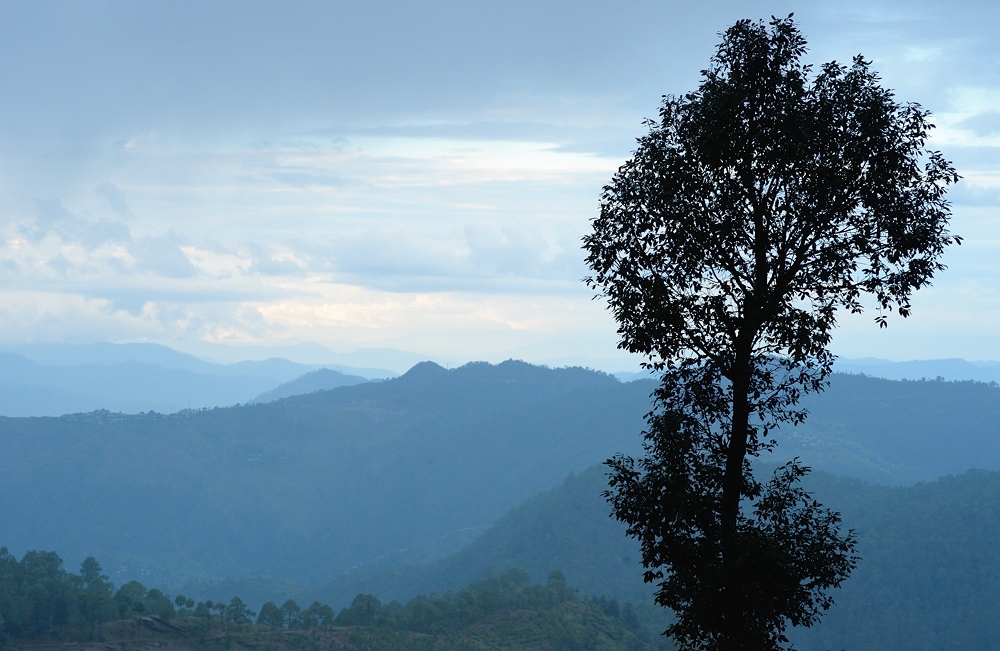
Every photograph has a story behind it. It means something to the photographer. There would have been incidents, anecdotes or thoughts that led to that image. The gap arises when the photographs fail to convey these stories. This is the medium we have to convey our thought and experiences. So, is it not obvious, that our photographs should also tell these stories?
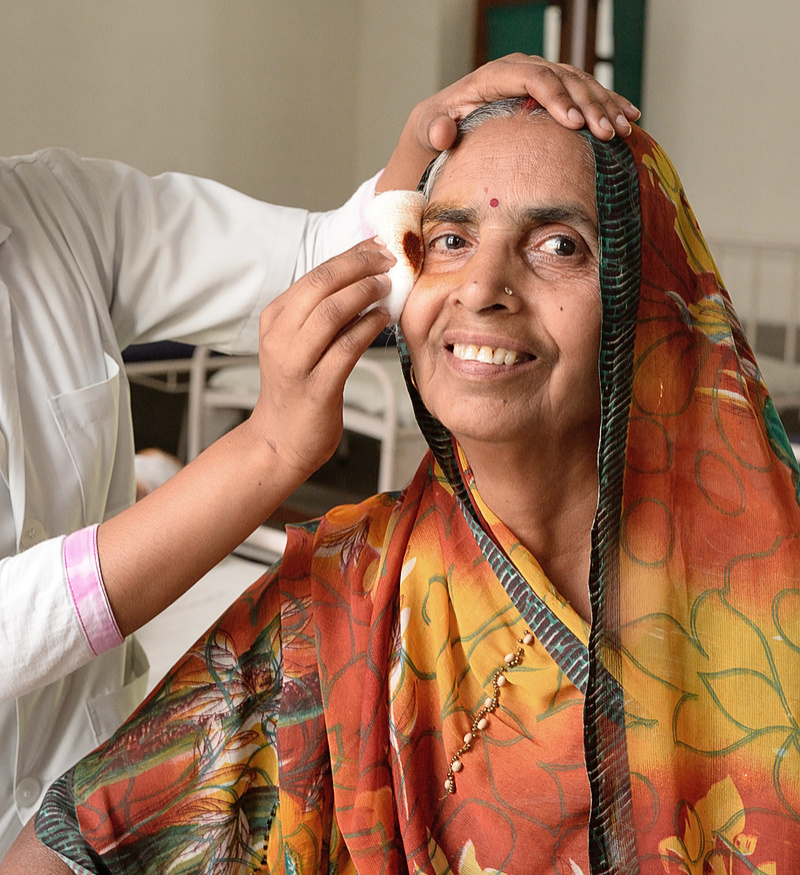
Some of the best photographs are created when a fleeting moment is captured to convey a story which otherwise can never be said in posed photographs. These spur of the moment scenes are what photographers long to capture. Once captured, these once in a life-time moments become candid shots.
There is a creative fraction of a second when you are taking a picture. Your eye must see a composition or an expression that life itself offers you, and you must know with intuition when to click the camera. That is the moment the photographer is creative. Oop! The Moment! Once you miss it, it is gone forever. – Henri Cartier-Bresson

Does the idea of driving on hill roads excite you? Are you still not confident in the driving skills required?
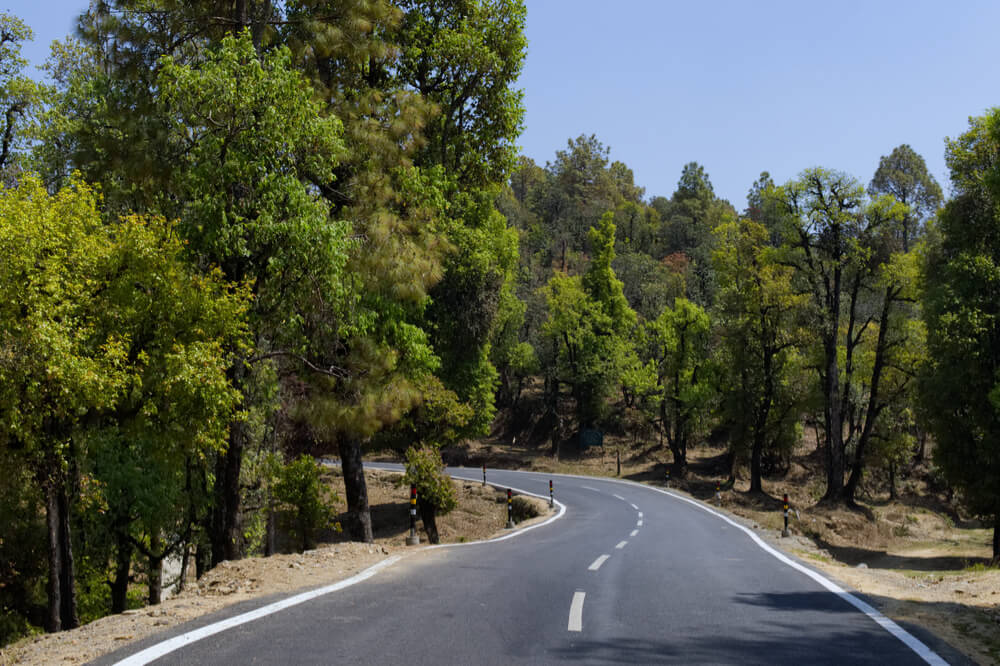
Photographs were once a treasured possession. Families proudly got photographs clicked on special occasions. First day of the child at school, every birthday, graduation ceremony, marriage, family get together… there was a photograph to celebrate each of these and many more moments. Some families owned a camera and others visited a neighborhood photographer. These were treasured memories.
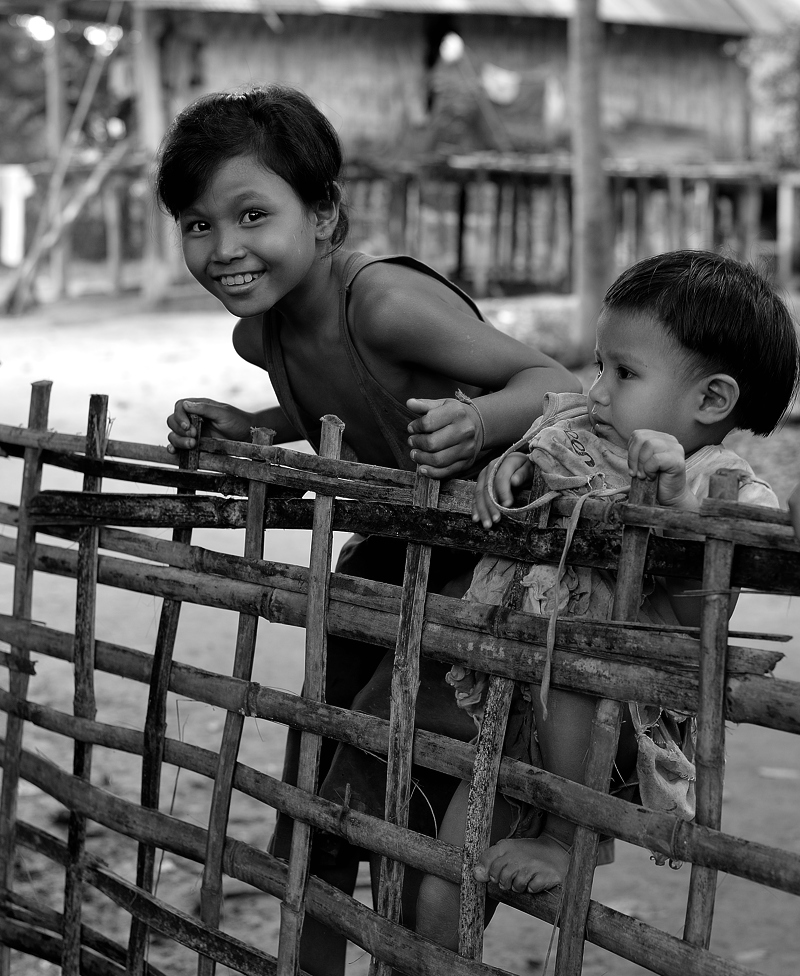
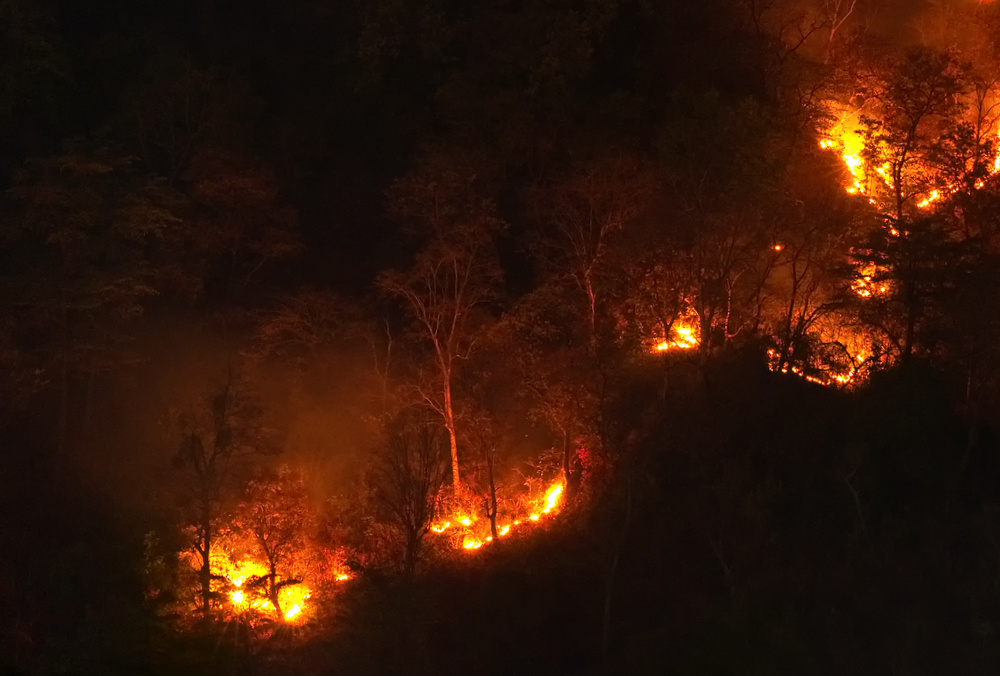
Forests are beautiful. They are an integral part of the nature’s support system for us to be able to live. How do we pay back? Cutting trees, destroying everything that supports us and wasting away these precious gifts of nature. Why am I writing about this in a site related to photography? I witnessed a forest fire and photographed it. I’ll be writing about the photography aspect too but first let me express how I felt while I photographed the incident.
There are times when the artistic instinct suffers a mental block. Writers don’t know what to write. Sometimes they sit with a blank paper not knowing where to start. Similarly photographers too suffer a mental block. The creative side of our mind stops working. What do the photographers do then? Most photographers end up clicking mediocre images, just for the sake of capturing. A few others don’t use their cameras and end up brooding and even sad.
Silhouette is an old art-form that is used to move emphasis to shapes and outlines. Origin of Silhouettes is a matter of debate, with some theorists going all the way back to vanished civilizations. My first serious encounter with silhouettes was when I saw some photographs by Henri Cartier Bresson where the main subjects were just black shapes. Before writing this article, I discussed the first encounter of silhouettes by some other photographers. I got quite a collection of answers with the top three interesting being – the silhouette of the queen on postal stamps of England, the silhouette of Beethoven in an old painting, the all too cliché photograph of the arch (in silhouette) framing the famous Taj Mahal
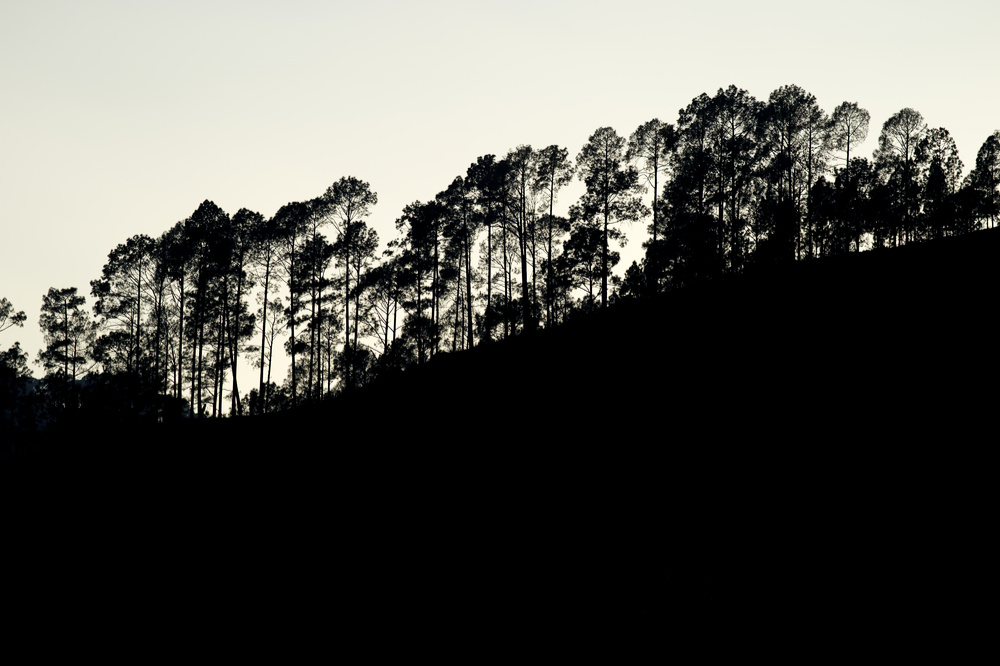
(Silhouette of Pines on a hill-top)
With advances in optics and mass adoption of photography in the digital era, high focal length lenses or telephoto lenses have become very affordable. Every enthusiast and many accomplished photographers now venture out into genres like wildlife and birds, and enjoy these long lenses.
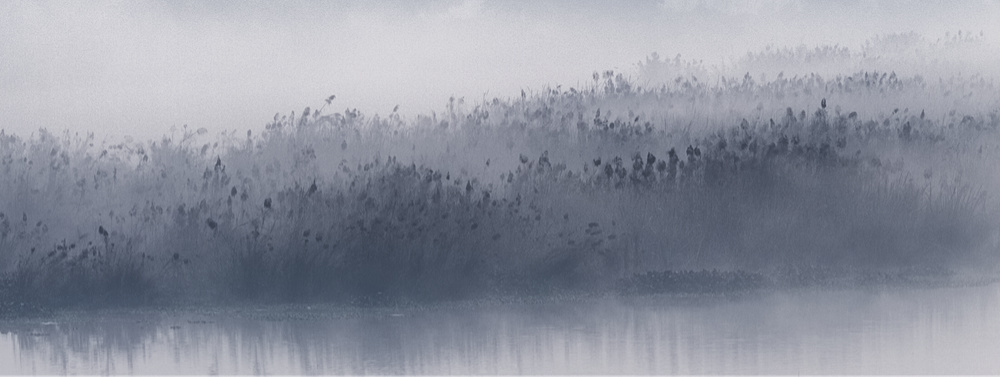
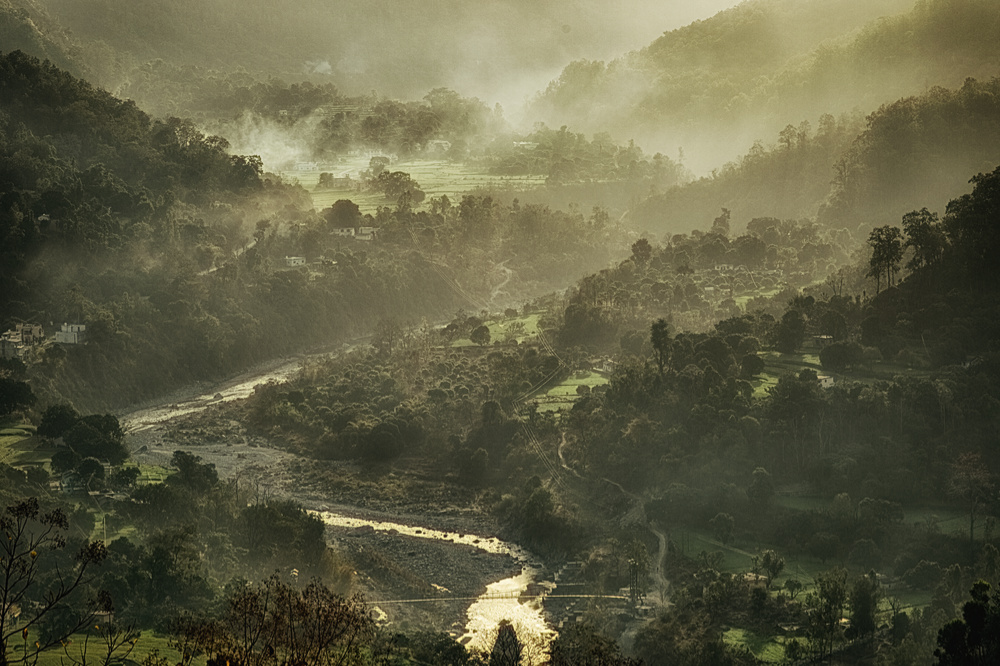
Friends come and go. Some stay for long. Others become sweet memories. Some others fade away. Today I was sitting alone in the morning, on a high vantage point, gazing at the rising sun, fog clearing up and a shining river in the center. I was planning to capture some photographs. The time spent with oneself can sometimes be the best. Today while watching the scenes unfold in front of me, I also remembered various incidents with friends and photography.
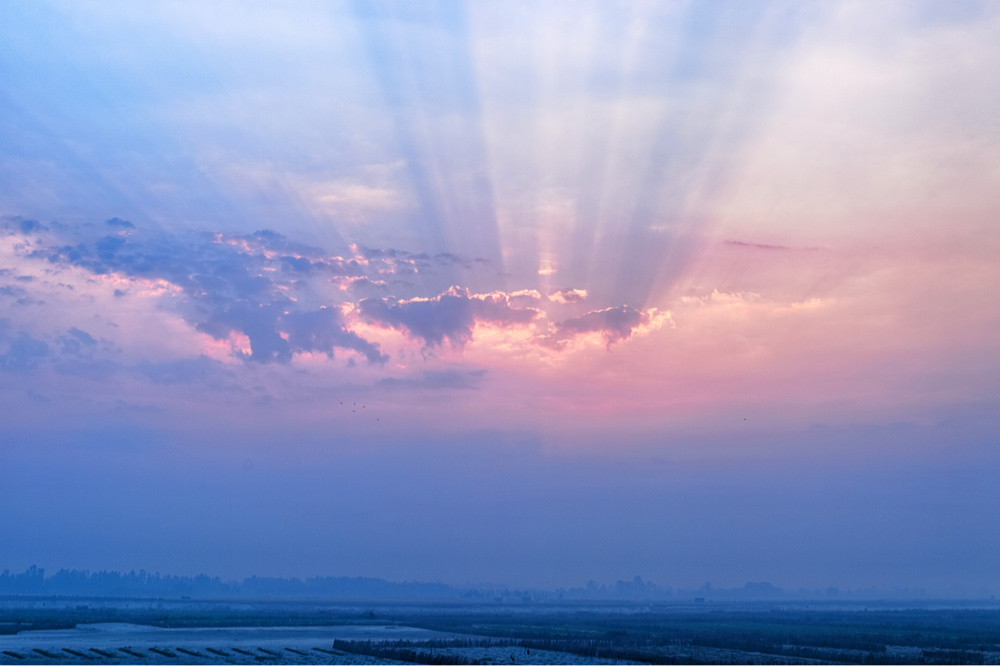
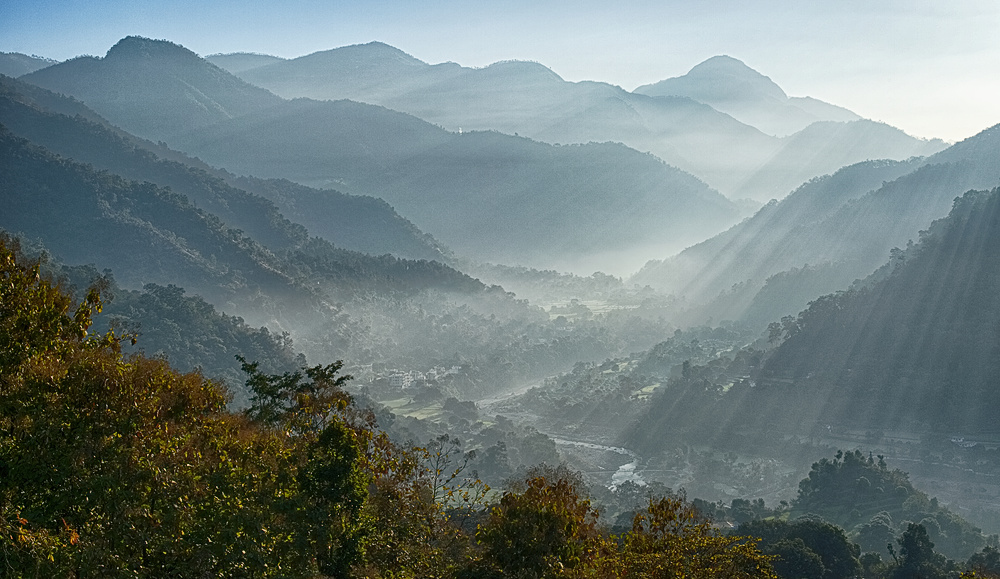
Sunlight that appears to look like rays in a landscape, is very attractive to look at. These rays can add the magic to even the simplest of landscapes, transforming them into works of fine art.
Cameras are an expensive purchase for most. It is therefore natural for us to worry about the effects of weather. Let me put your mind at rest. The cameras are built to withstand a huge range of weather conditions.
Tripod is one of the best accessories to have if you are interested in stabilizing your camera. Here are some tips to get the most out of your tripod.
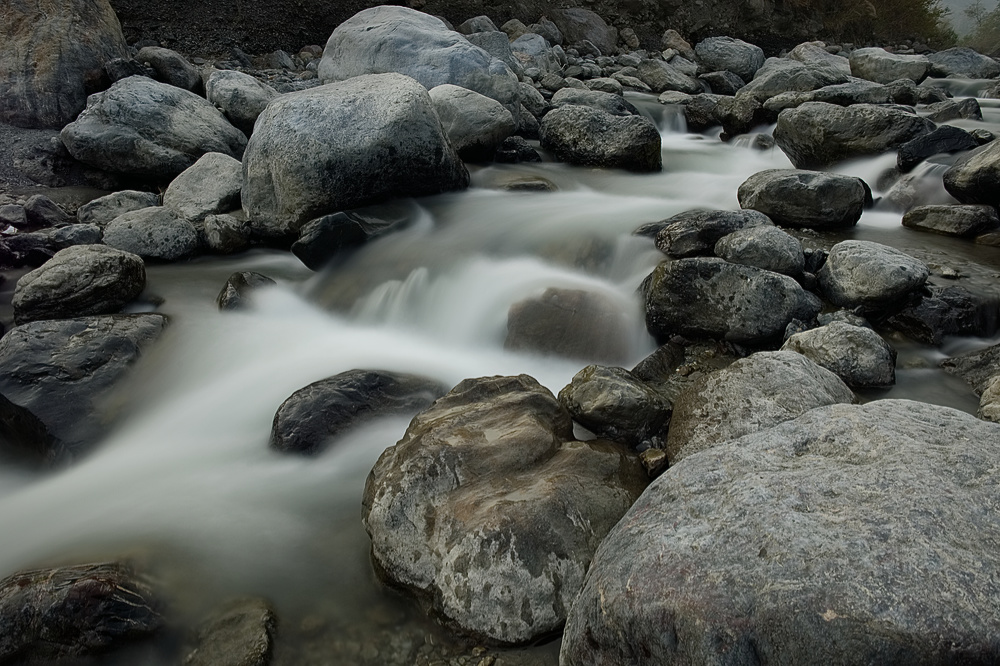
In the midst of the spell of cold weather, there was a day with clear sky and good sunshine. What more could a photographer in me ask for? I packed my camera and tripod and visited a nearby mountain stream. My purpose was clear. I wanted to capture some motion blurs.
Learning from Rembrandt has been appreciated by many of my readers and so based on their request here is another similar article.
Oscar Claude Monet was a famous french painter, who is well known as the founder of french impressionist painting movement. He took his painting outdoors from the studio and painted mostly landscapes. The impressionist movement itself consisted of putting across ideas to the viewer more strongly rather than focusing on accuracy of natural elements. As is the case with most painters, even Monet can be great source of learning for photographers too.
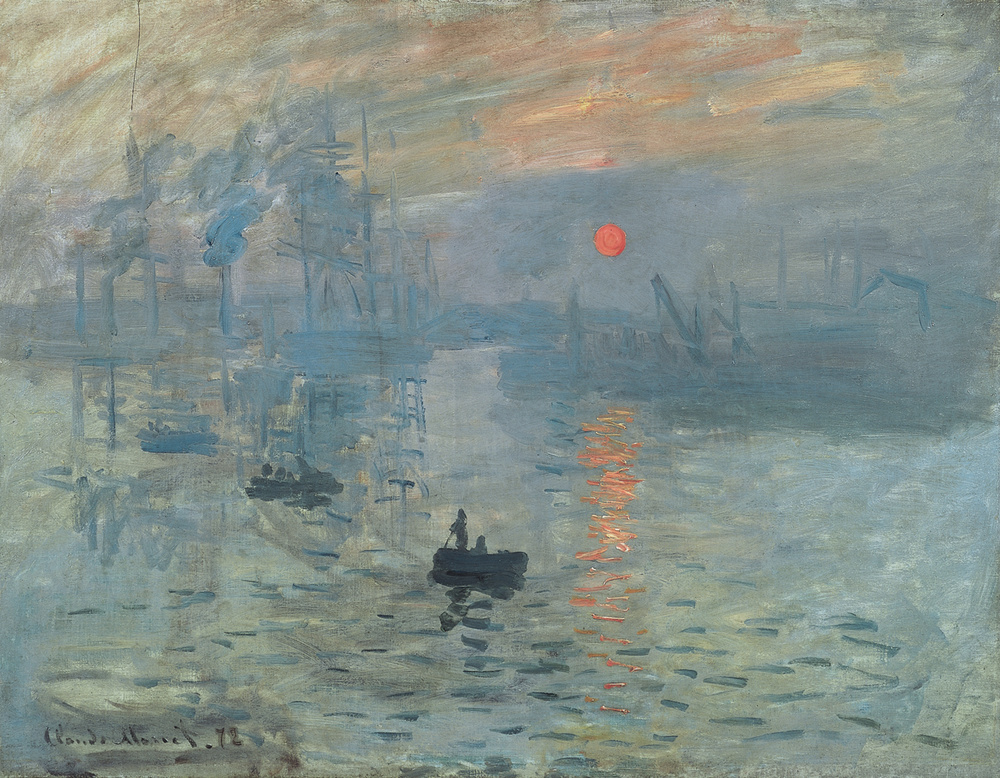
(Impression, soleil levant – the hallmark painting of the rising sun which gave its name to the art movement)
Continue reading Learning from MonetYesterday, over a cup of hot coffee, a reporter took a short interview of mine. Her questions were meant for her own audience but she was kind enough to hand me the transcription of the interview. (I have edited the manuscript to adapt it for this site) Here are some of those questions and answers.
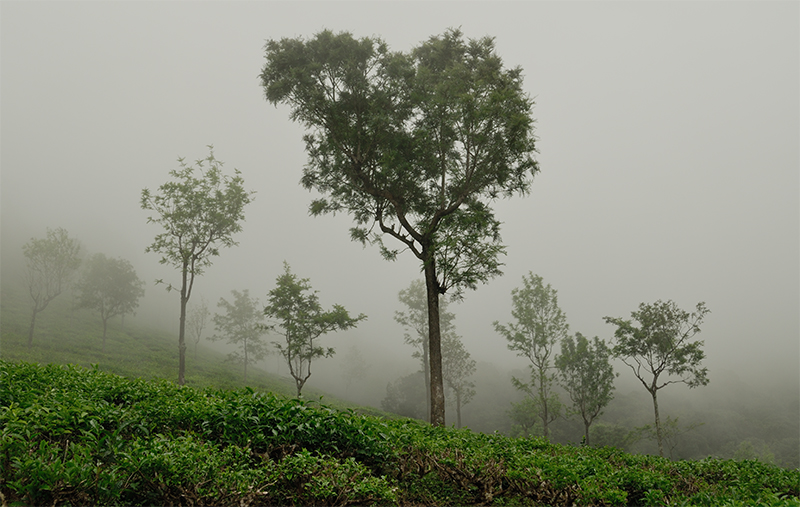
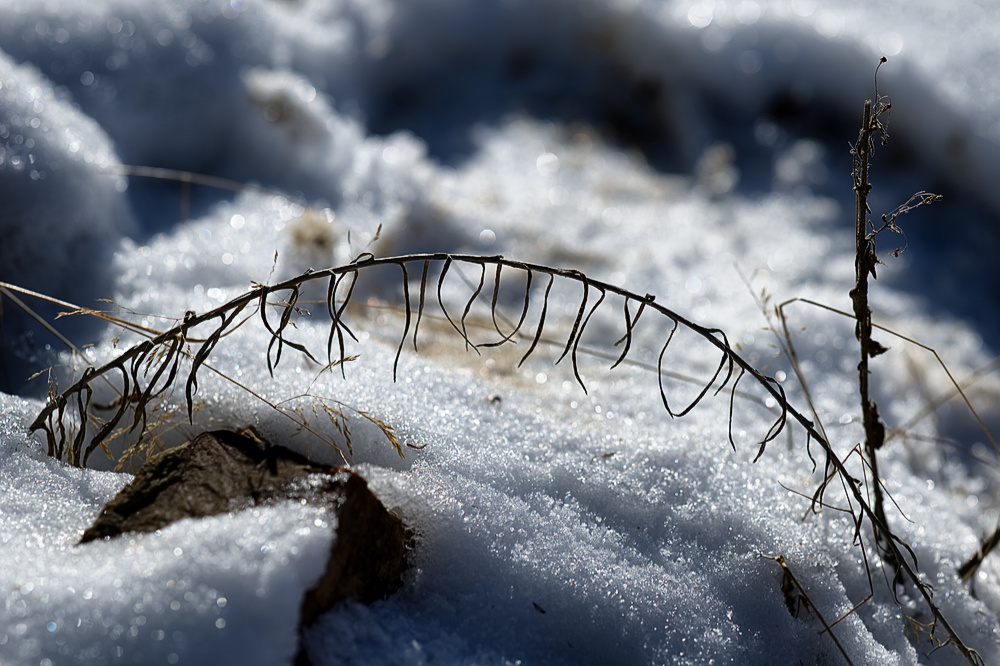
With the onset of winters, frost starts to set in. Every night, the temperature goes below zero and on the following mornings, nature shows itself in a wonderful way.

How useful is a warranty that comes with the camera? Does the warranty on the camera and lens vary? How about extended warranty, does it make sense to buy it? Read on to answer these questions and many more …
With the advances in digital photography, cameras become old very quickly. Sometimes cameras become outdated even before a user sometimes gets to know them well. Quite frequently new cameras are bought and the old ones just lie unused. Here are some ideas for those old cameras which are not being used now.
Recently I was discussing removing shots from the face of a model using a photo-editor and there came a question – What is the difference between a Clone Stamp Tool and a Healing Tool? These both do seem to work in the same manner.
Reducing the overall brightness of the photograph being captured is what exposure compensation is all about. Apart from this, the exposure compensation can also come in handy for a lot of other interesting techniques as well.
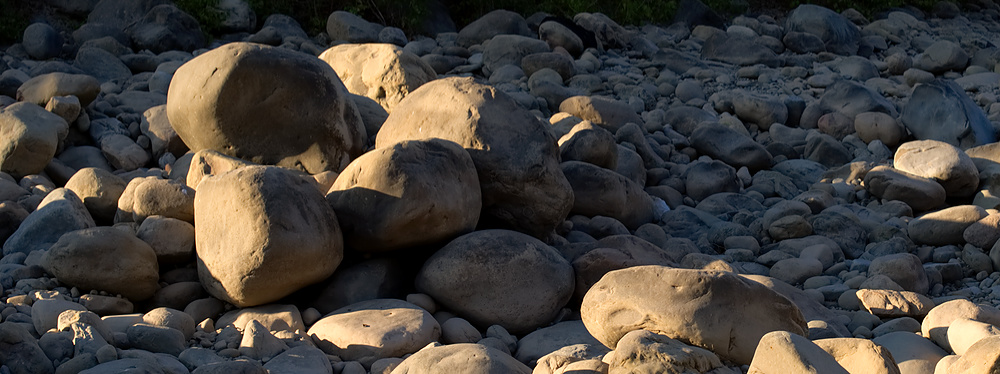
With the easy availability of cameras and at very affordable prices, the number of people clicking photos is at its all time high. Some famous photographers have gone to the extent of saying that anything and everything that can be photographed has already been photographed. So, how do you make your photograph stand out from the crowd?
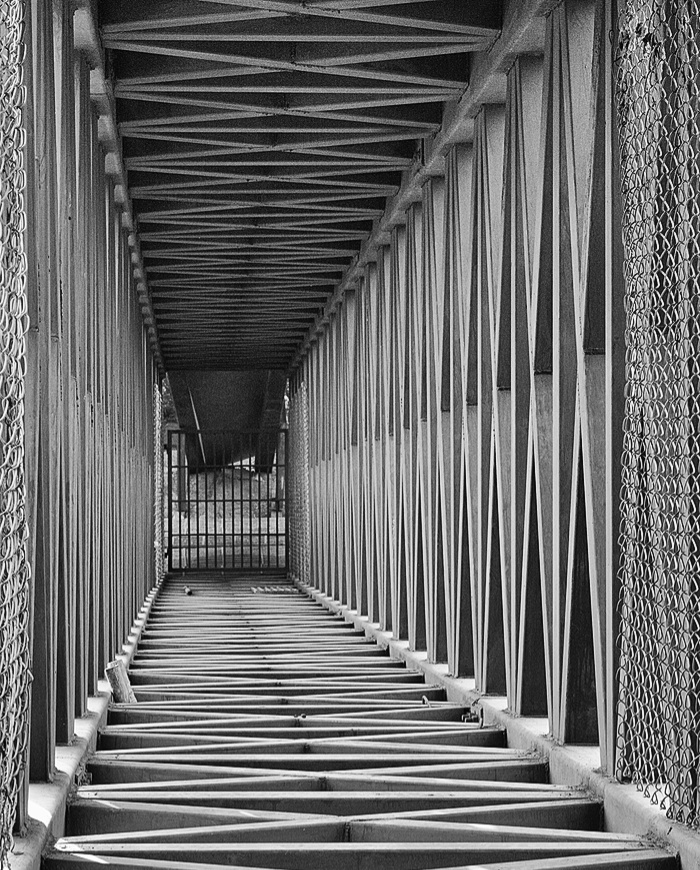
Since the time photography started, photographers have been trying to capture the maximum possible range of lighting conditions in their photographs. Ansel Adams perfected the zone system and worked on burning & dodging techniques in his darkroom. Film companies researched and came out with films that could capture higher and higher range of exposure values. High Dynamic Range photography was yet another step towards this.
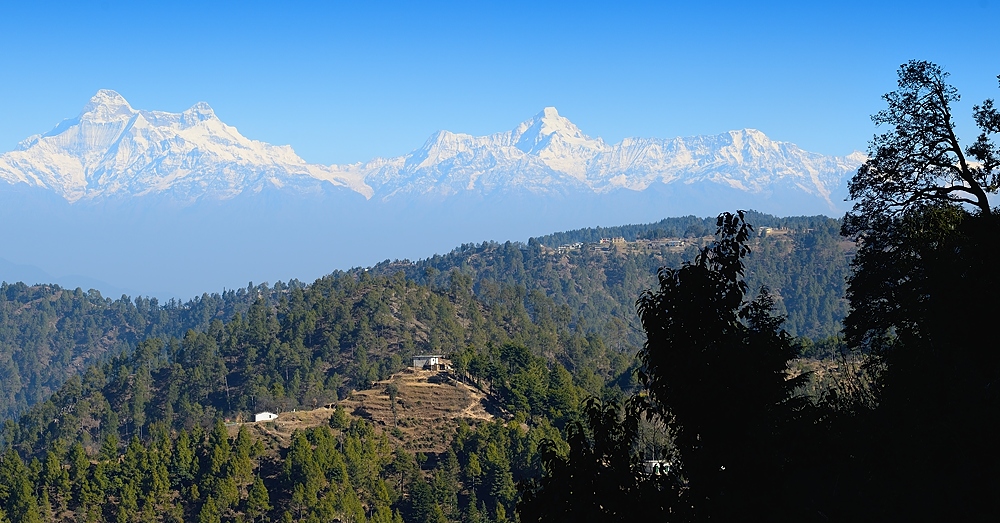
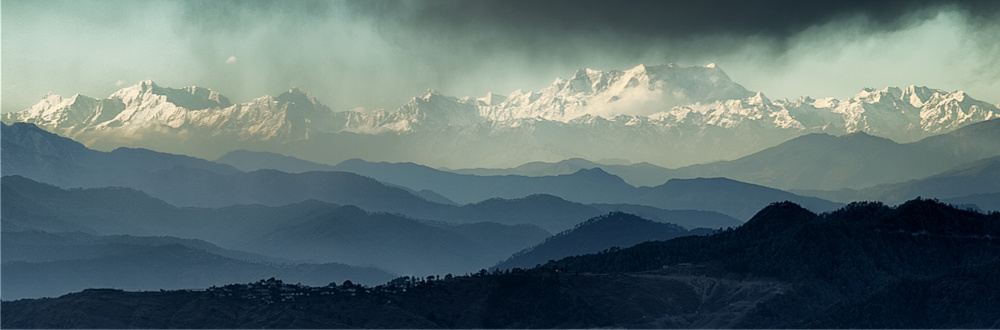
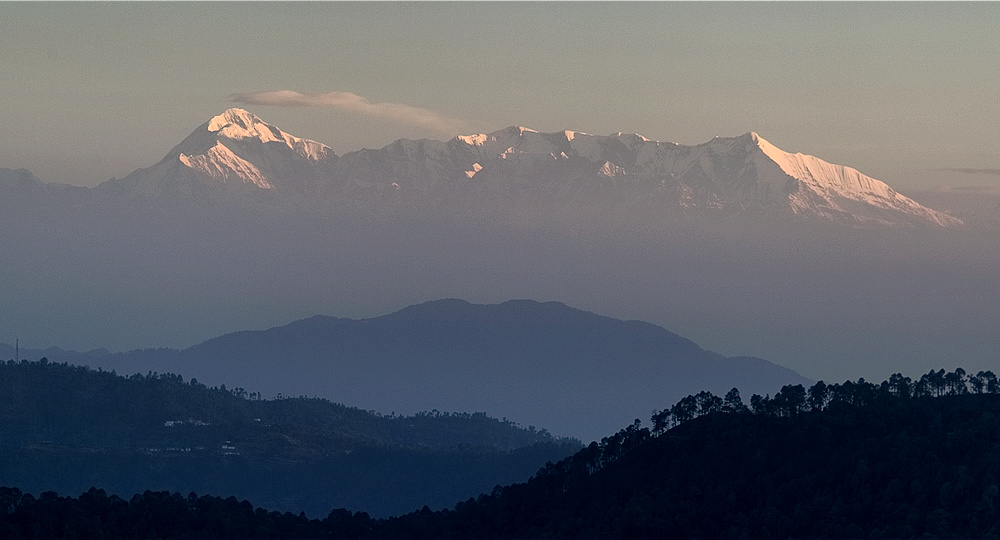
The Himalayas consist of various ranges. Students of geography divide them into three major ranges. The lowest range is the one that is present in the Kumaon region. For many others, Himalayas is synonymous with snow-covered peaks of the other two ranges in the north. On a clear day, these snow-covered peaks can be viewed from our cottages itself.
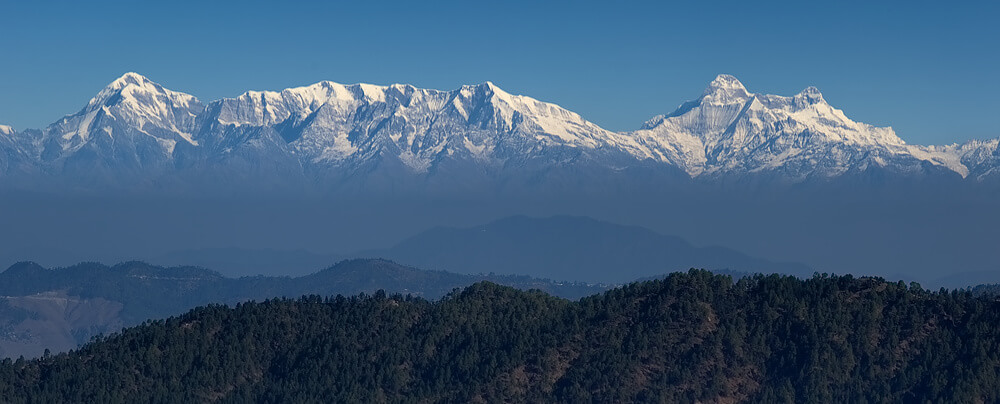
Are you a die-hard Nikon fan? If you are, then here is a compilation of some interesting facts about Nikon. Some of these are just bits of history whereas some others are crazy.
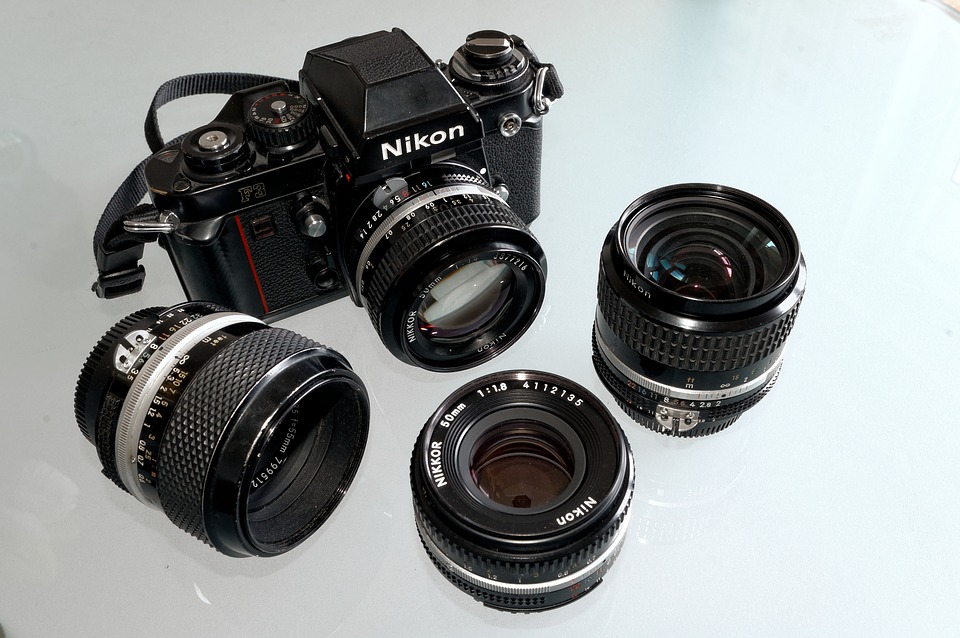
(Nikon F3 camera with some Nikon lenses)
Continue reading Facts about Nikon (which you did not know, or did you?)
Petzval 85mm and 58mm lenses are two focal lengths available presently and both of them are characterized by their immensely swirly bokeh, strong field curvature, and sharp central focus. For lomography lovers and for photographers who long for something different, these happen to be a very attractive lenses.
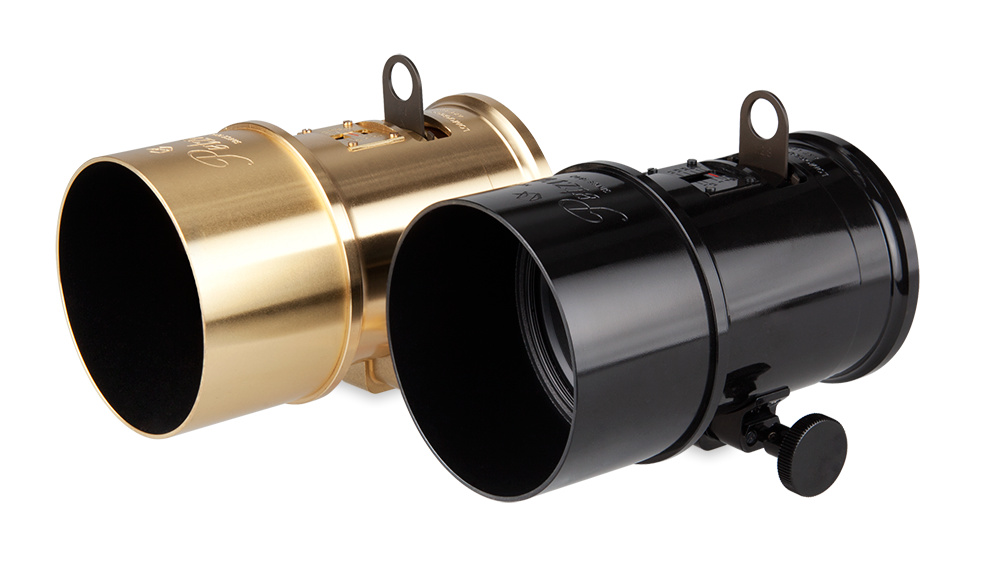
(Petzval 85mm f/2.2 lenses, in golden and black colors)
Rembrandt Harmenszoon van Rijn was a dutch painter whose works are well known and extremely valued across the world. His paintings cover a great deal of subjects starting from portraits, self-portraits (selfies?), landscapes and even biblical scenes. There’s a great deal that painters learn from his works. Rembrandt’s works can also be quite useful for photographers.
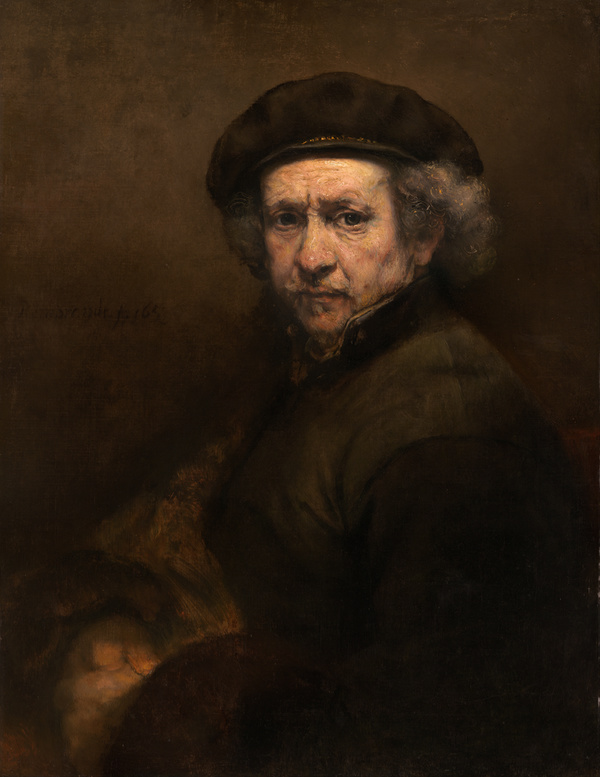
(Rembrandt van Rijn – Self Portrait)
When you change the way you look at things, the things you look at change! In technical terms of photography, the way various elements in a composition appear to be separated from each other, is called perspective. This is a matter of confusion for many especially with the proliferation of zoom lenses in the market. Now zooms come as standard kit lenses with most DSLRs and so what some of the discussions on perspective and lenses earlier conveyed, is now confusing for many.
Point and Shoot cameras are quite famous with occasional ‘shooters’. I was wondering about the expression of ‘shooting’ a photograph or video. When and how did this term come to be used in photography and cinematography?
After receiving requests from my readers, following the last published article on books for photographers, here is another similar list on the top movies that every photographer should see. There are a good number of documentaries but this is a list of films with a story-line, which you can enjoy with your non-photographer friends too.
What to do on a wet autumn day? Take the camera out and indulge in photography! However not always does that happen. Sometimes laziness takes over and a cup of hot coffee is what is required with a good book to read. For photographers, here are some books that I recommend whenever you get any free time.
Photography was initially popularized by its use in portrait photography. Initially Daguerreotypes made their presence known as inexpensive alternatives to miniature portrait paintings and then over the following century, photography reached every nook and corner. Even today, most consumers buy cameras to capture beautiful photographs of their near and dear ones.
Posterise tool is quite frequently found in photo editing applications and is very rarely used. In my opinion it is a tool that has been carried over without much thought in the present day photo-editors. However it does come of use at times.
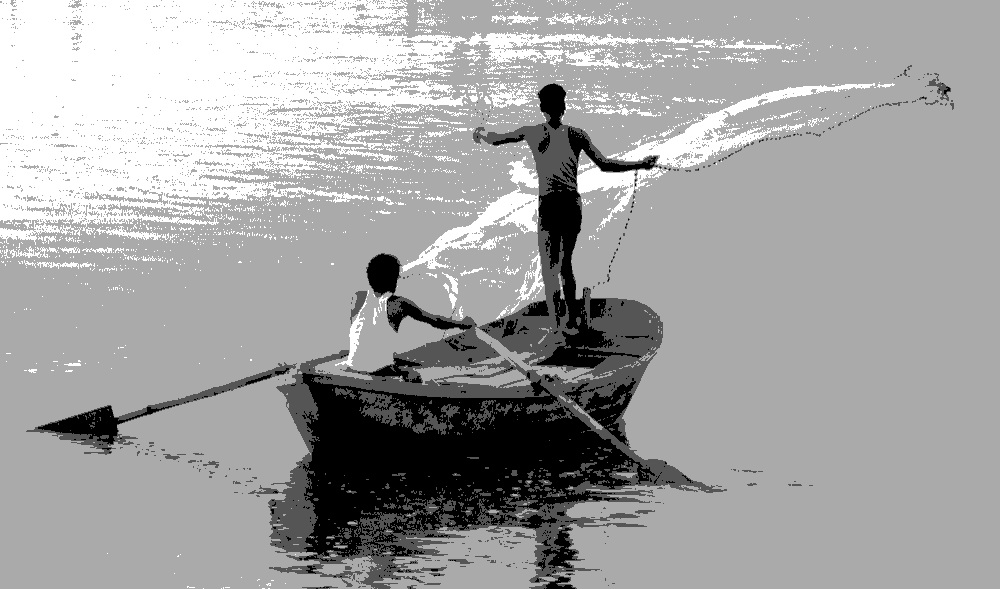
In the process of relocating to another city, we had to pack up our photography equipment as well. While opening the boxes, I realized the amount of clutter that builds up over time. This is worse than the Gear Acquisition Syndrome that most of us suffer from time to time. The clutter I am talking about is the justifiable purchases that gather up.
Children are fast and full of energy. Getting them to stand at one place and photograph never works. Capturing them in a manner that shows their energy and enthusiasm works.
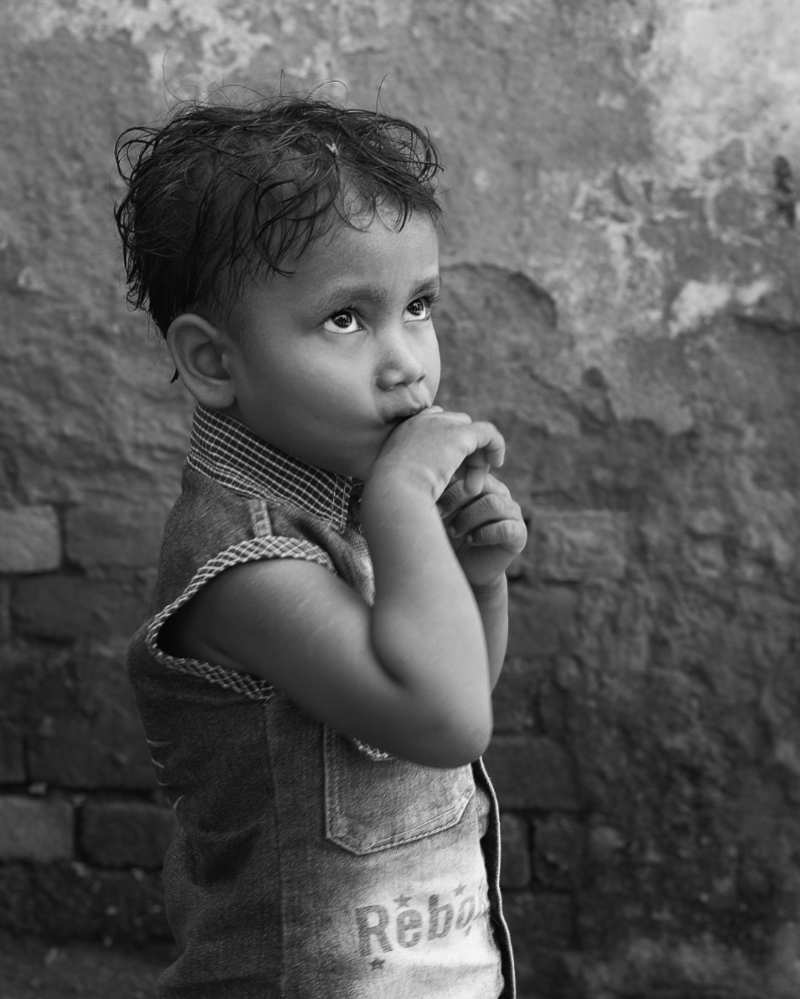
Every photographer wants crisp and sharp images, yet quite frequently the results can be disappointing. Here are some quick tips to achieving the sharpest images possible with your existing gear.
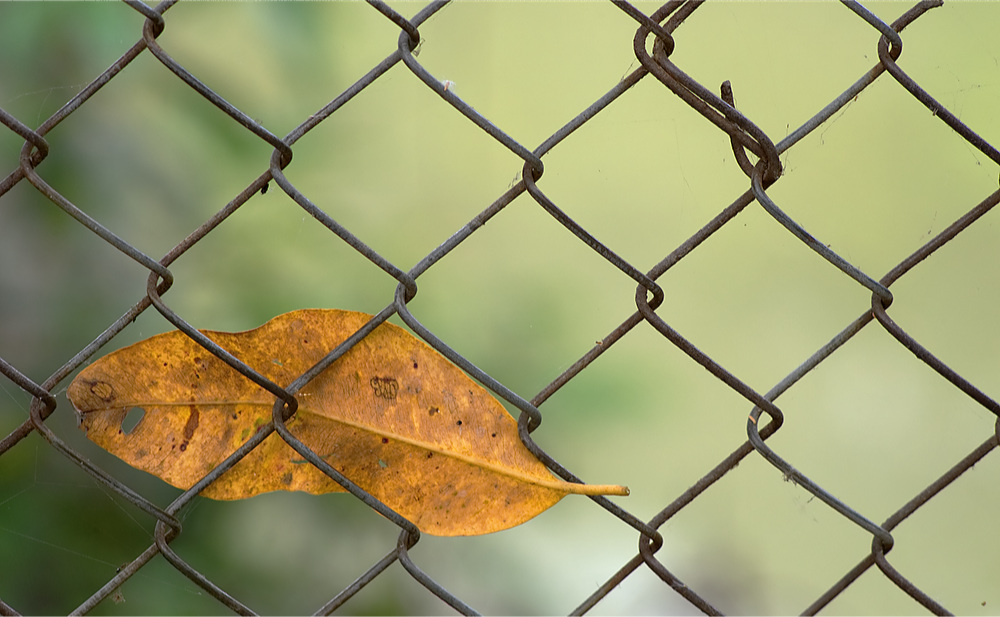
(Nikon Df with Nikkor 200mm AI-s lens at f/8, 1/100 sec)
Sunrises and sunsets are beautiful. Solar eclipses are intriguing. An image of the sun stealing a glance through clouds can create drama. However, when can the sun be included in the photograph is a big question that many people face. Should it be a part of the frame or not? How about the damage that it can cause to the camera?
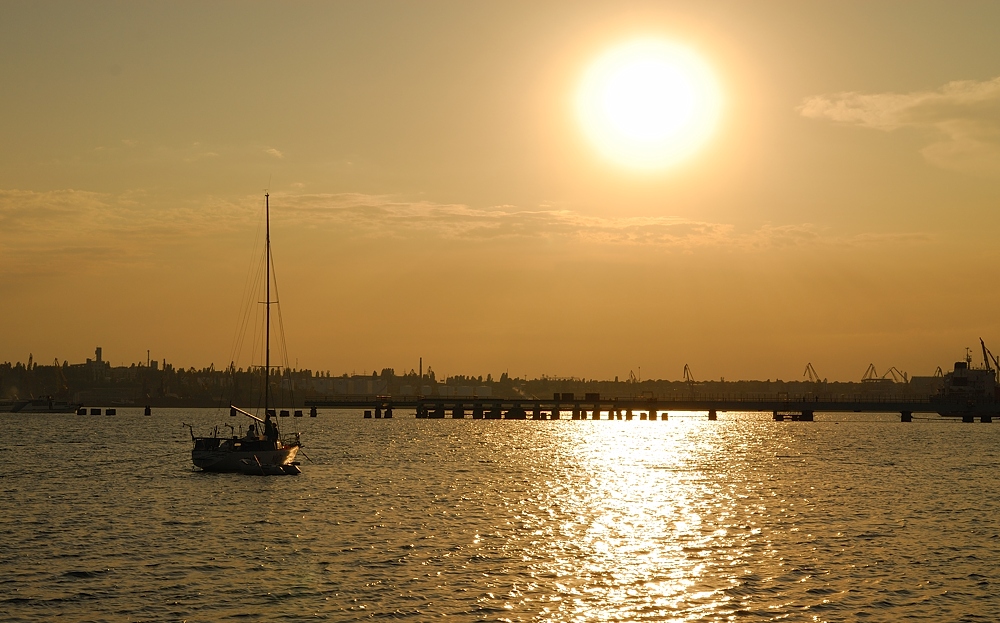
(Bright sun in a photograph can also look extremely bright and even disturbing, but don’t worry. It does not damage the eyes. Staring at it can play tricks with retina leaving an after-image but the effect is temporary.)
How many of us have missed photographs that could have been captured? That fleeting decisive moment of Henri Cartier Bresson or the perfect landscape of Ansel Adams! Even the exact pose of that beautiful bird that happened a moment too soon. Even among the hundreds and thousands of photographs captured everyday, missed photo-opportunities always keep coming back to upset us.
(While capturing the large oak in front of the distant hills, I missed out on the squirrel that came to see what I was doing)
“The great enemy of the truth is very often not the lie, deliberate, contrived and dishonest, but the myth, persistent, persuasive and unrealistic.” – John F. Kennedy.
I have come across various schools of thoughts on different topics that some of them are now like widely propagated myths. Are these really myths or just my mind fighting against itself? Has the whole photography fraternity got it wrong and just a handful of photographers can understand the truth or is it me who is confused? Here is a list of top facts that I consider to be myths.
(Nikon Df with Nikkor 50mm, f/5.6, 1/100 sec, ISO 100, +2 EV compensation on center-weighted metering)
Lichens, nature’s wonders, stand as a testament to the resilience of life. Among the oldest living organisms, they offer a unique perspective on the quality of the air enveloping our tranquil cottages. Amidst the serene hills, we contemplate whether the air is truly as pure as our hopeful hearts desire. And it is through the lichens that we gain insight into this vital question.

Light is the fundamental tool for photography that every photographer should understand well. As a photographer, the way you understand light is very different to how everyone else understands light.
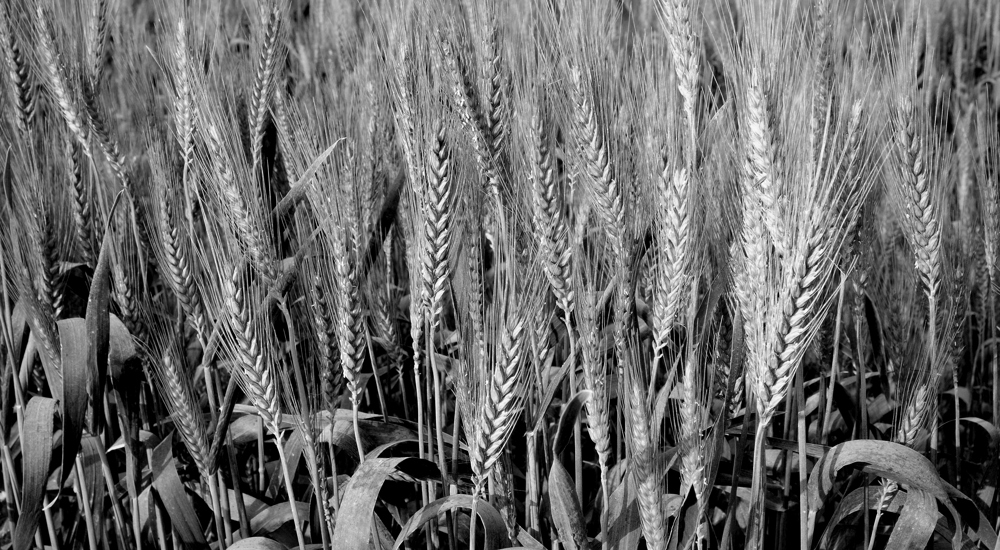
(Grains lit by hard sunlight – Nikon D200 with Nikkor 18-35mm lens, f/11, 1/25, 100 ISO)
Old buildings carry with them a mystery and character which unfortunately is missing from the present day architecture. For photographers these can be quite an interesting subject. The various forms that they present combined with the interplay of shadows can be a rich source for creating interesting compositions.
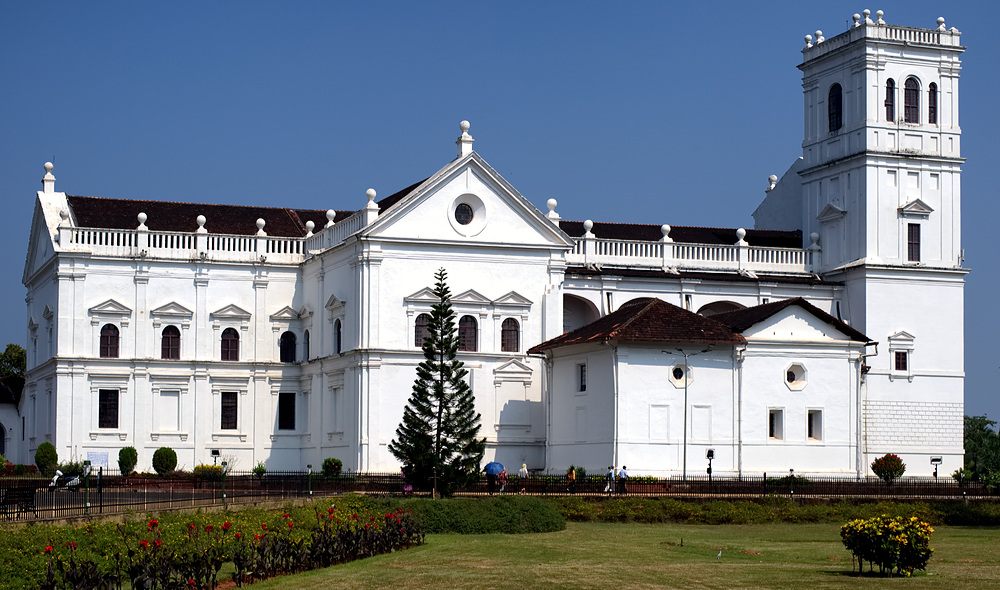
(A church in Goa – Nikon Df with Nikkor 50 mm lens, f/8, 1/1000 sec at 100 ISO)
How colors are interpreted and shown in the present day work-flow is a matter of confusion for most. When I was trying to explain to a friend about color management, I was faced with the problem of how to get the whole thing down to easily understandable terms. Color management and color space are the backbone of color photography.
“A good photograph is knowing where to stand.” – Ansel Adams. Knowing where to stand is a part of the process of Visualization. How the various elements in a composition interact with each other in the scene is also determined to a large degree from where the photograph has been captured. Even a few inches of difference in the place where a photographer stands can change the whole meaning of the photograph.
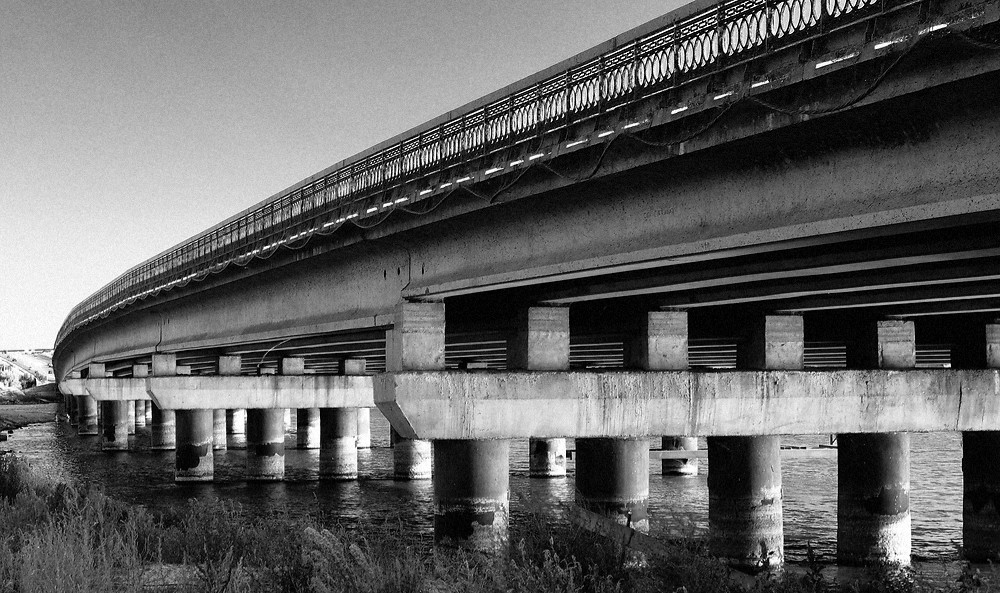
(Bridge from down under – Nikon D200 with Nikkor 35mm at f/8, 1/25 sec at 100 ISO)
Rain rain go away, Come again another day. Rain rain go away, Little Johnny wants to play… I get reminded of this nursery rhyme whenever I see my photographer friends who are scared to take their cameras out in the rainy season. Rains create wonderful opportunities for photography, so unpack your camera and other photography equipment and get ready to click.
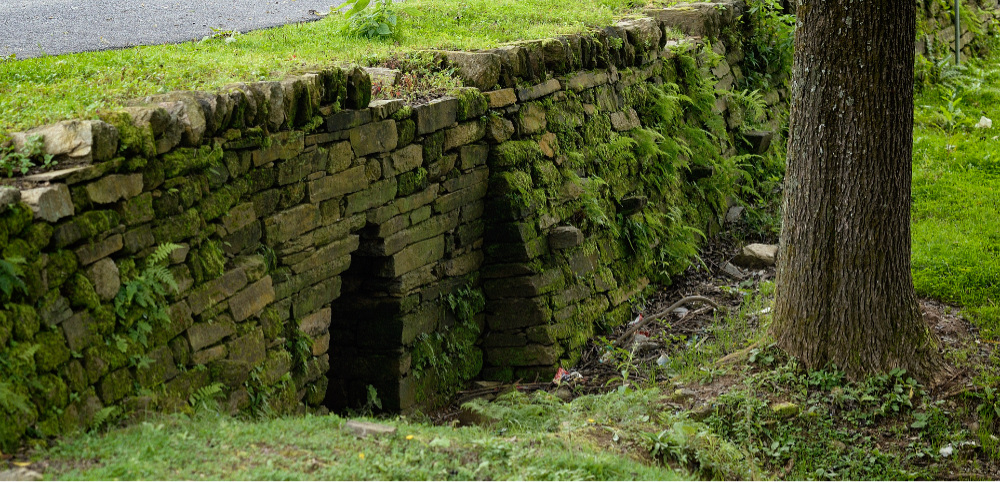
In the world of today, where more and more people are using cameras to capture everything that seems attractive to them, the question of “Model Release” often pops up. How are amateurs or non-professionals affected by it? If there is a recognizable person in the photograph, how and where can the photograph be legally used? What are the liabilities of such a photograph? I am not a lawyer but based on what I have learnt from various photographers, lawyers and magazine editors, here are the basics relate to Model Release.
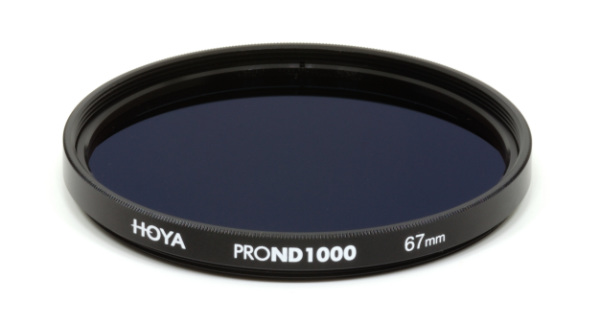
Continue reading Model ReleaseA dark ND filter is a necessity for long exposure times when the ambient light is very high. After reading various reviews and collecting feedback from photographer friends of mine, I bought a Hoya PRO ND 1000x filter. I could not get it on time for a recent trip that I had made but I still managed to use it for some test photographs.
Managing with the least resources is what minimalism is all about. This can be a fantastic way to regain vision and clarity of thought. Photographers in general, tend to look down on this and other similar lines of thoughts as weird but the truth is entirely opposite. Minimalism helps in creating some of the best images. It also makes the whole process from initial visualization till the final photograph, more enjoyable. Minimalism is about the freedom and not about restrictions.
Monsoon is the much awaited season in India. The rains bring in relief from the long spell of hot and dry weather. Everything turns green and looks fresh. With a plan to capture some of these wonderful gifts of nature, few waterfalls and landscapes, I set out on a short trip. My route was blocked by an overflowing stream, part of which was flowing on top of the road. What followed were a few hours well spent photographing the place around the stream.
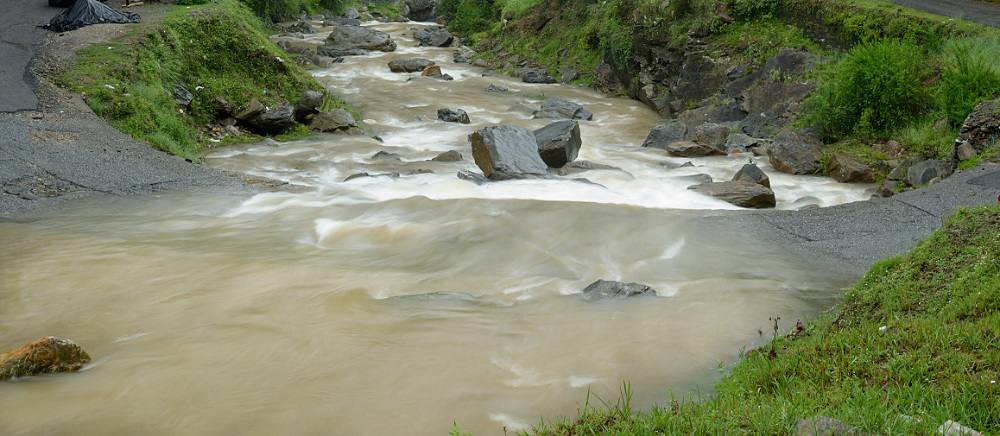
(A bird’s eye view of the overflowing stream – photographed at a slow shutter speed from a high point with a 50mm Nikkor lens)
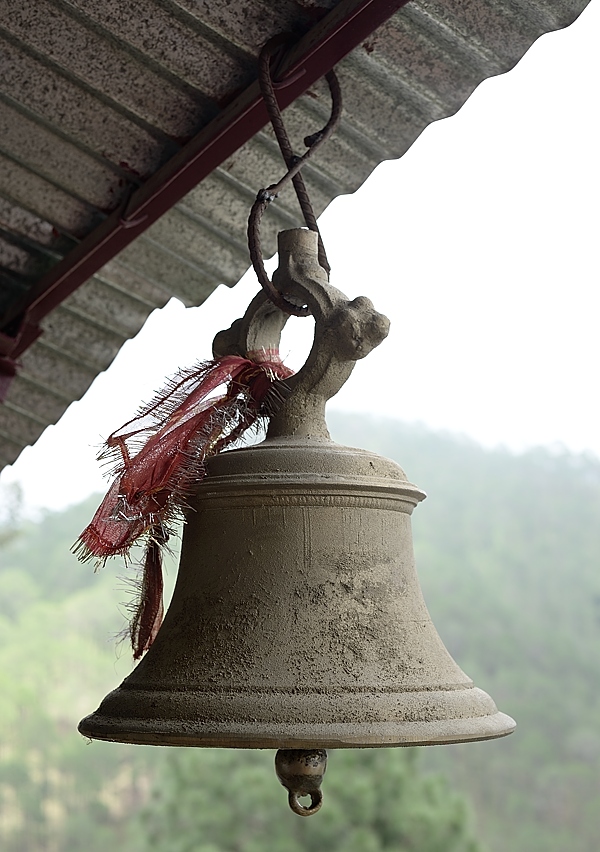
Hills always attract me. They have a magnetic effect on me and I get pulled towards them. Every once in a while I give in to this pull and travel to the hills. Few days back, I got a chance to travel to a Hindu temple located near Bhimtal in Kumaon region. This was my second visit to the place.
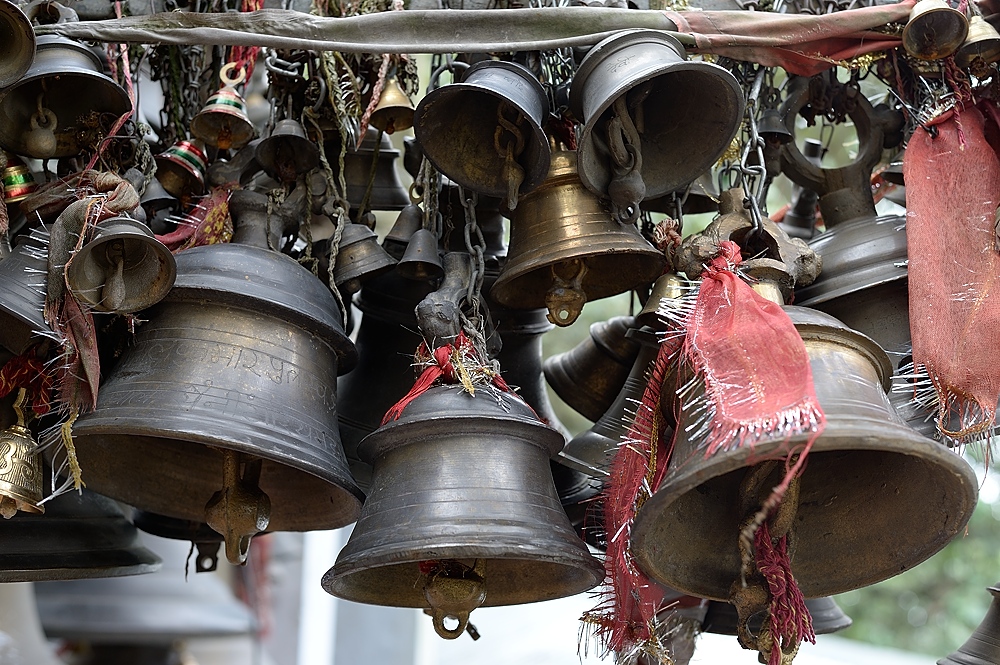
(Temple bells – Golu Devta Temple near Nainital / Bhimtal in Kumaon)
Darkroom has been replaced by photo-editing on computers. Sadly, a lot of newcomers are now replacing photography with photo-editing. I’ll refer to this habit as photo-shopping since that is what people have come to call it. In fact that is another achievement of the Adobe Photoshop software, to be able to penetrate to such an extent and get known to the masses. My sincere advice to all budding photographers is to start photographing and reduce photoshopping.
Continue reading Photography getting lost to Photo-editingNow that the digital photography era has already taken a strong foothold, more and more used DSLRs are becoming available at throw away prices. Sometimes these can prove to be a golden opportunity to own a good camera at an economical price. However these are also prone to problems, so here is a small guide to help you purchase a used DSLR.
Photography is an essential part of vacations for most people like me. Whether you agree or not, one of the most attractive prepositions for a vacation is an opportunity to indulge in photography. Even though human element looks good in most photographs, every once in a while we would love to capture photographs with no people in them. So how do we do it especially when the world population is so high and even the least popular tourist destinations seems to be full of people?
“Beyond the blue horizon, Waits a beautiful day, Goodbye to things that bore me, Joy is waiting for me” …
Horizons add depth to landscapes. They show how vast the scene is in the photograph. Though horizons end up being a part of most landscape photographs and of various other genres too, very rarely do photographers give any special attention to it. The photographers should realize that the horizon is actually a very strong line in the composition.
Mountain streams somehow always manage to cast a magical spell on me. They enchant me and I get pulled towards them. Before I know it, my camera is ready to capture their dancing flow and the finesse by which the water hops on the small rocks. I had one such moment some days back when I was driving through some hills in Kumaon region.
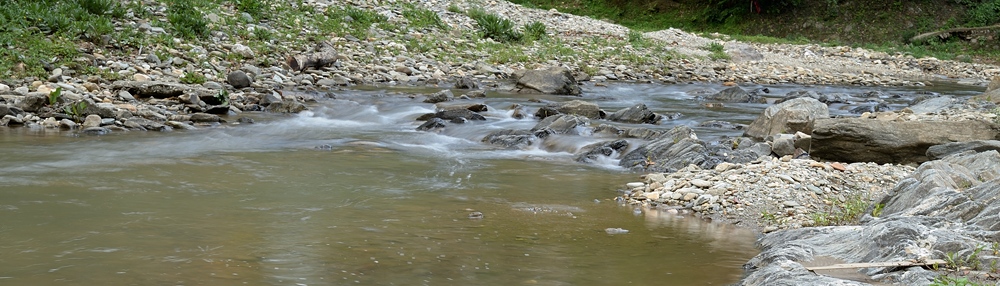
While photographing a mountain stream some days back, I realised the need for a dark ND filter. I was hoping to capture some motion blurs too. Unfortunately the darkest of the filters that I had were not dark enough for the purpose. Faced with a need to buy a dark ND filter, I started searching for one and in the process, came to know how overwhelming the choices are. Buying a simple filter can be a daunting task. There are a huge number of variables and various things to be considered. Filters have come a long way and now these are not just a simple piece of glass in a ring.

(Stack of Bamboo – Clicked with a Nikkor 105mm lens with polarizing filter mounted on it)
I was recently a part of a group of photographers and judges in a photography competition. I am not a famous photographer but yet there are some people who value my opinion. It was quite an ego boost for me. I was one of the less-influential and quiet ones in the group, but I did notice a trend which I felt was an interesting topic to pen my thoughts about. What are the judges in these photography competitions looking for?
Continue reading Photography Competitions – Behind the Doors!
Since long time, photographers have used slow shutter speeds to convey movement in their photographs. A blurred image can convey movement and sometime the speed of the movement can also depend on the amount of blur. The basics for creating motion blur are simple. The only limiting factor is the creativity.
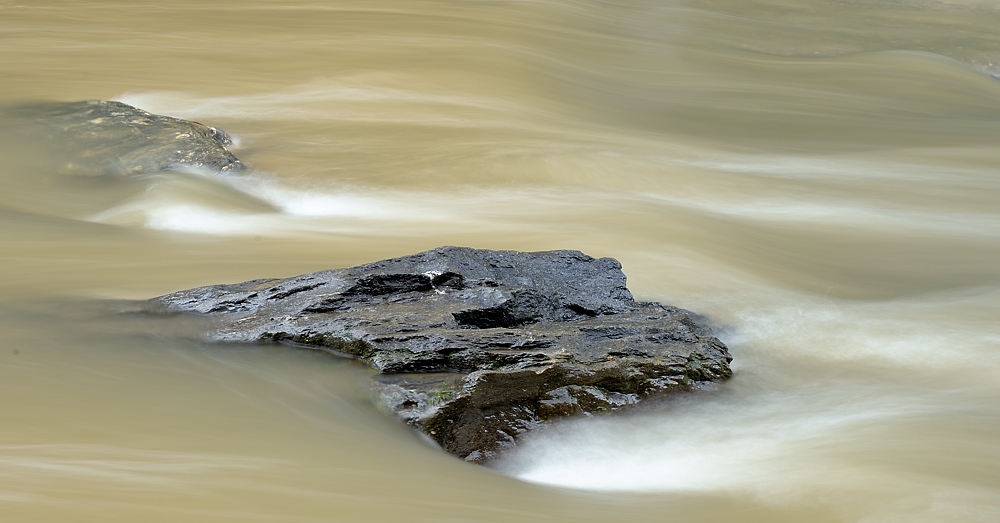
The world around us is colored. It is not a surprise then that colors attract us. The colors in photography however assume a very important role. It is therefore important to understand how much of colors are good. The technical term for the amount of color is saturation. Photo-editors of today use powerful algorithms to change the saturation and can vary it between zero (which is practically black and white) to such a high extent that it becomes a pain in the eyes to look at. The ideal saturation level is the one that brings out the beauty in the photograph without looking too artificial.
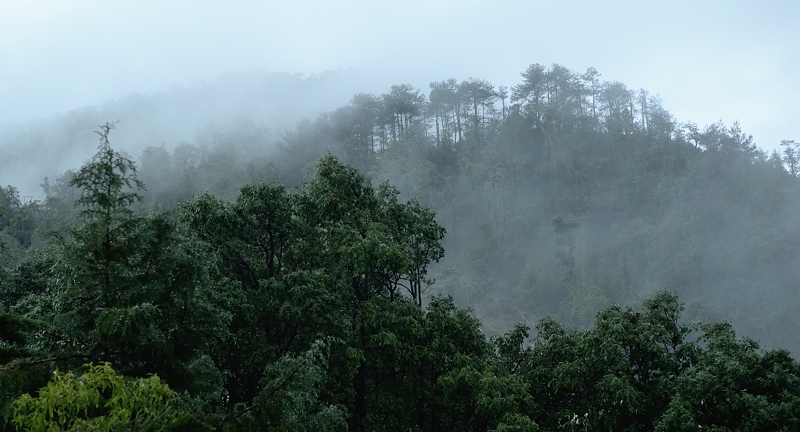
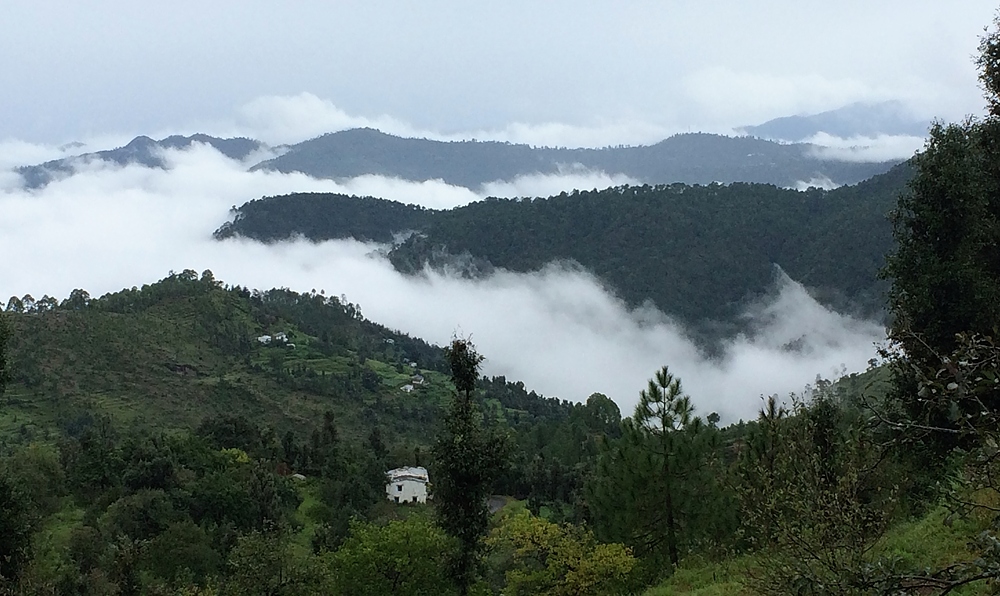
(Fog on the hills – a difference in saturation in the trees in the foreground and the ones on the hills gives an idea about the fog. The dark foreground also gives a sense about the late time of the evening.)
Every photographer wants to create masterpieces. Buying a camera is easy, learning the basics is also not difficult. Next comes learning to visualize and compose. Ideas start forming in the minds that get expressed using powerful photographs. However there is small problem here that prevents most photographers from progressing to artistically creative from their technically sound status. Each and every photographer has some fears which prevent this metamorphosis.
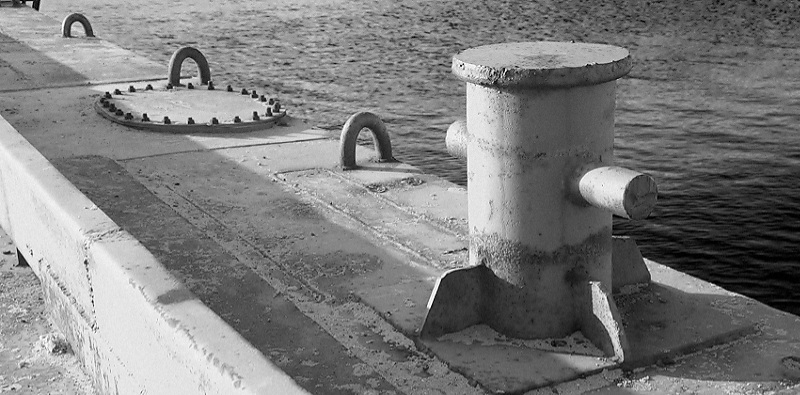
(Mooring – Nikon D200 with Nikkor 18-35mm lens)
Buying your first DSLR can be the most satisfying purchase, even if you are just a teeny-weeny bit inclined towards photography. Like any other purchase, the camera purchase can be a daunting task, considering the number of choices available and the price range they come in. I always advice my friends to follow few guidelines before buying their first camera.
One of the best things that has happened with the digital revolution in photography is the change in darkrooms. Now instead of those truly dark areas with various liquids, we are blessed with comfortable desks and powerful computers. The image editing programs like Photoshop, Gimp, Affinity Photo etc are really powerful. It is also very easy to get lured into spoiling any image while trying to make it better. Here are the top 10 photo-editing traps that should be avoided.
“What makes photography a strange invention is that its primary raw materials are light and time” – John Berger. The Booker Prize awardee has summed up in this statement of his, an aspect which every great photographer exploits, to create the best masterpieces. Understanding light is important for photography. With every passing minute of the day, the light varies. The quality of light changes. The weather conditions further define its character.
A friend of mine was searching for an article on how to keep his camera clean. Everything that google searched for him pointed to website that taught about how to clean the camera but nothing about keeping it clean. Based on his suggestion, here are some pointers to maintaining your photography equipment. If you are anywhere close enough to me when it comes to keeping your camera and lens clean, then this is a must read article for you. This is about prevention. Prevention is better than cure, or in this case cleaning.
Continue reading Keep your photography equipment clean!The interplay of light, the mingling of colors and quickly changing scenario make sunsets a favorite subject for photographers. Every evening the colors are different. Each sunset is different from another. A nicely captured sunset can be a very satisfying effort.

There was a time when monopods were not as common as tripods but lately I have been seeing them all around. What started off as a portable option to tripods has now become one of the most useful supports available for cameras. Monopods as the name says are the camera supports that usually have just one leg.
There is an unseen world in small details waiting to be discovered. Going close and photographing these small details is what makes macro photography special. There are different definitions for macro photography. Macro photography is generally termed as photographs that are taken at close proximity to the subject in a manner that the scene in front of the lens being captured is of the same size as the sensor. The lens has to focus really close for this.
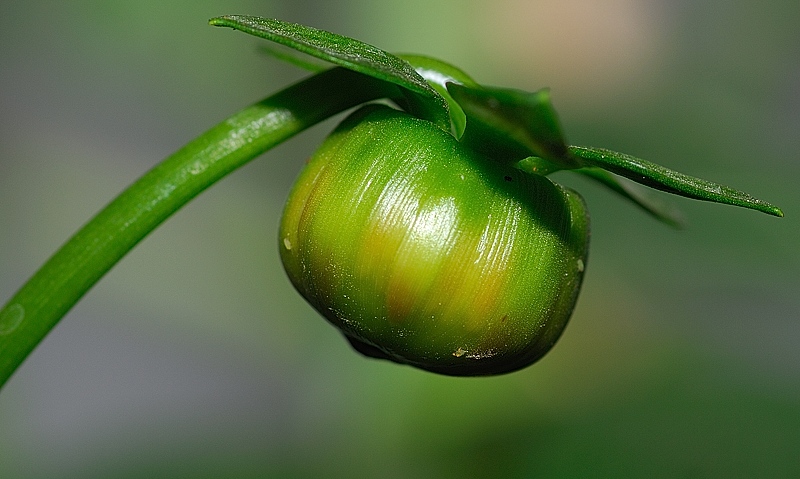
(Flower bud photographed with Sigma 105mm macro EX DG lens mounted on a Nikon D200 body, f/8, 1/250 sec at ISO 100)
Preview screen at the back of the digital cameras is a wonderful tool to assess the exposure. Though present in all the good cameras, very few people use it. Histograms when used properly can be a very simple tool to take care of all your metering related problems.
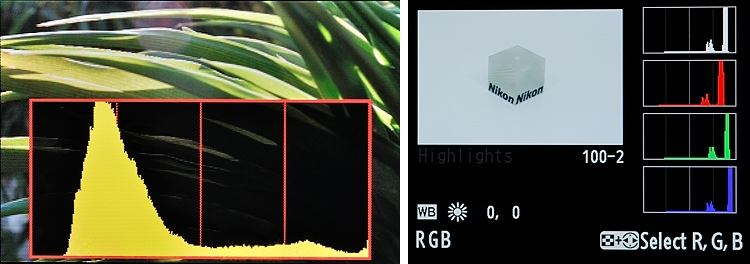
(Histograms as seen on a Nikon preview screens)
The first step to any photograph is Visualization. This is the way a photographer sees the scene in front and composes a final print even before pressing the shutter release button. Visualization is one third of photography, the remaining two thirds cover up everything from camera settings to post-processing and the final print.
There is a myriad of camera settings that affect a photograph. How many of these changes actually affect the raw files is a matter of debate for some and confusion for most. The common word is that none of the camera settings actually affect the raw files and these are only important if saving photographs as jpg. Is this true? Let’s explore in some more detail.
The size of the photographs captured by a camera, quite often does not match the requirements. The photographs may have to be sent in small sizes by email or uploaded to social networking sites. There are websites that won’t even accept images above a certain size. On the other hand, the photographs may have to be enlarged and printed. The size of the photographs in most conditions also does not tally with the required print size. What happens in all these situations is that the various algorithms take up this task of changing the size of the photograph to provide acceptable results. These algorithms may be a part of the operating system, website designing software, printer’s software or even as coding at the level of websites. The problem? These acceptable results are most often not the best.

