
Lichens, nature’s wonders, stand as a testament to the resilience of life. Among the oldest living organisms, they offer a unique perspective on the quality of the air enveloping our tranquil cottages. Amidst the serene hills, we contemplate whether the air is truly as pure as our hopeful hearts desire. And it is through the lichens that we gain insight into this vital question.

Lichens, remarkable composite organisms resulting from a symbiotic bond between algae or cyanobacteria and various fungi, serve as nature’s indicators of air quality. Their survival hinges upon the presence of pristine air, for when pollutants pervade, lichens dutifully absorb them, leading to their decline. Thus, these resilient organisms act as guardians of environmental purity.
The area around our beloved cottages is blessed with clean, fresh air. This pollution-free environment is evident in the healthy growth of lichens on our apple trees. Seeing this natural bond between lichens and the environment brings us great happiness and comfort.
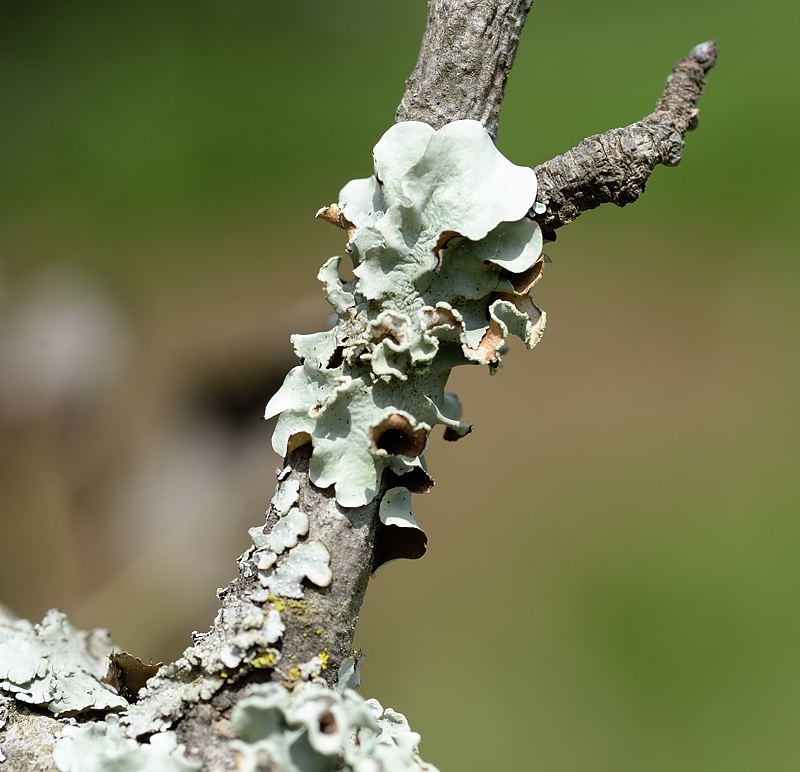
Lichens have various forms and colors. Botanists have various names for these forms but for us, these are simply brush-like lichens, witches’ whiskers, flat lichens, lichens that look like popcorn, and even lichens that look like miniature ferns. In our orchard, the lichens are predominantly light bluish-green in color. Some reddish-brown lichens can also be spotted growing on some rocks. The color is determined by the photosynthetic component present. Depending on the moisture present in the air, they also change their transparency and color to some extent.

Are they bad for fruit trees? No. Lichens grow only on the bark and process their own food. The fruit trees are well protected under their bark. However, lichens are slow to establish themselves, and so these are commonly seen on slow-growing old trees. Sometimes people misunderstand these to be causing the slow growth or affecting the health of the tree. Lichens are actually harmless for trees.

We do hope that as time passes by, these indicators of air quality will always remain in our orchards and reassure us of the pure air we are able to enjoy.
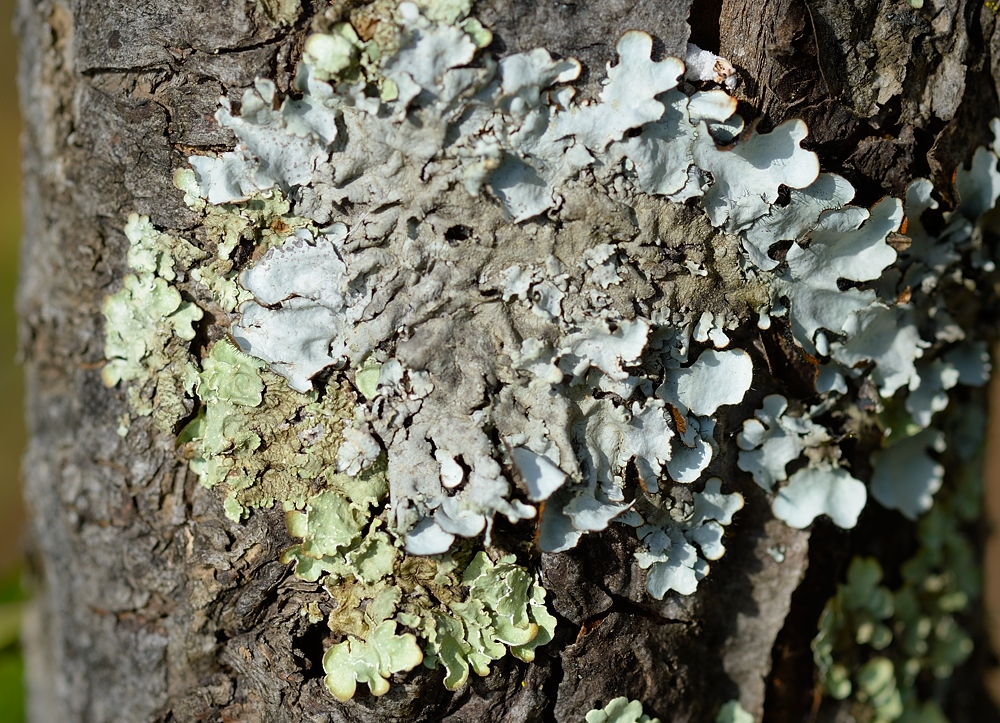
Lichens possess a multitude of captivating attributes that continue to puzzle scientists, leaving them in awe of their enigmatic nature. One intriguing phenomenon lies in their remarkable interaction with solid rocks, an enigma that awaits explanation. Prepare to be astonished as you delve into the mysteries surrounding this intriguing aspect of lichens’ existence.
Furthermore, some lichens found in our region also hold a place in the realm of culinary delights, serving as treasured spices in traditional cooking methods. Their unique flavors add depth and character to various dishes, making them a cherished ingredient among culinary enthusiasts.
In addition to their culinary applications, certain lichens also boast medicinal properties, further amplifying their significance. These natural wonders offer potential health benefits, adding to their allure and prompting ongoing research to explore their healing potential.
Lichens are truly fascinating, interacting with rocks, contributing to food, and offering medicinal benefits. Their unique qualities continue to captivate the curious minds of both scientists and nature lovers.

Lichens are known to grow in the extremes of temperatures, as long as the air is clean. They can also withstand long durations of dry weather and then when the conditions are right, they swell back and become fluffy.

Did you know that lichens have the remarkable ability to slowly chelate rocks? Over time, these fascinating organisms contribute to the gradual breakdown of rocks, leaving their mark on the landscape. In some instances, they even form a protective crust over fragile soils, playing a vital role in soil stabilization.

We invite you to embark on rejuvenating nature walks with us, where you can bask in the invigorating freshness of the air while exploring the wonders of the natural world. Join our knowledgeable guides as they unveil the secrets of nature, including the intriguing relationships lichens forge with their surroundings. It’s an opportunity to deepen your understanding and appreciation for the intricate web of life that surrounds us.

For staying at our cottage or any other enquiries, please get in touch with us – Reservations
Discover more from Maini's Hill Cottages
Subscribe to get the latest posts sent to your email.
