Just about 50 KM from our cottages are the famous temples of Jageshwar Dham, in the valley of the Jataganga River. The definite period of the temples’ construction is not known. However, it is said that these were renovated between the 7th and 12th centuries, by the Katyuri dynasty and later Chand dynasty kings. These temples, therefore, show different architectural styles. The temples here are clustered in two large groups.
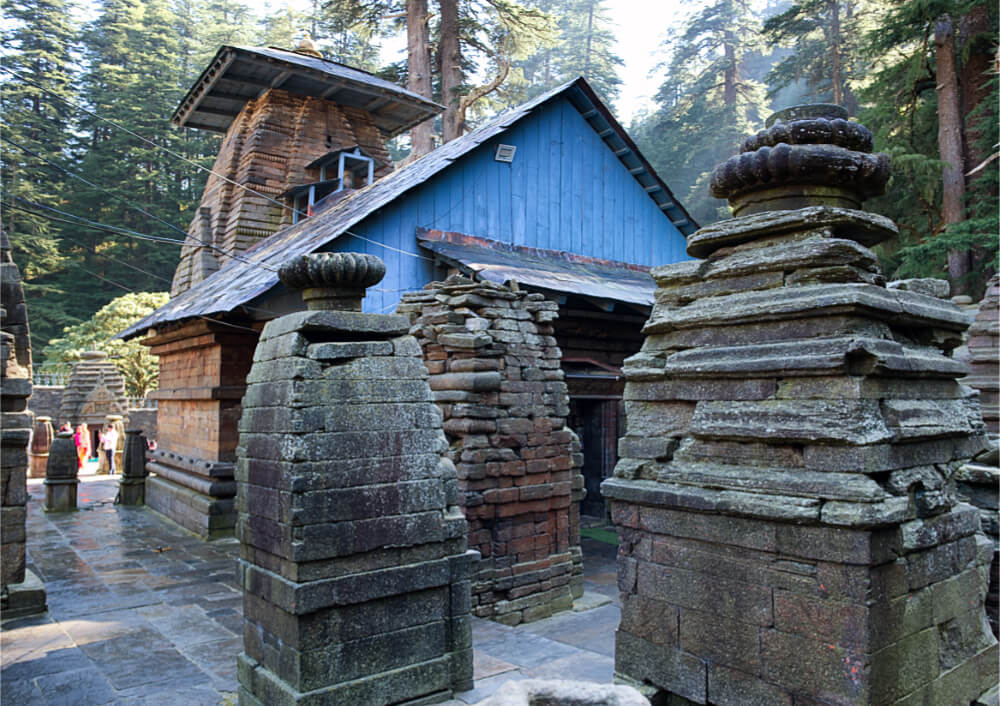
Jageshwar Group of Temples
The larger group of temples is in Jageshwar itself with over 120 temples. Some of these are held in very high esteem.
Religious experts are divided and some have opinionated that one of the Sanskrit shlokas that list the Jyotirlingas (the twelve representations or icons, formed by the radiance of light by Lord Shiva) –
सेतुबन्धे तु रामेशं नागेशं दारुकावने॥ ( Setubandhe tu Rāmeśaṃ Nāgeśaṃ Dārukāvane ),
points to the temple of the lord with snakes, located in the forest of deodars (darukavane), and not to any demon by the name of Daruk. So, many people consider Jageshwar Dham as one of the Jyotirlingas (the highly revered temples of Lord Shiva).
It is also believed that the revered Sapt Rishis – the seven ancient sages – offered their prayers at this very spot.
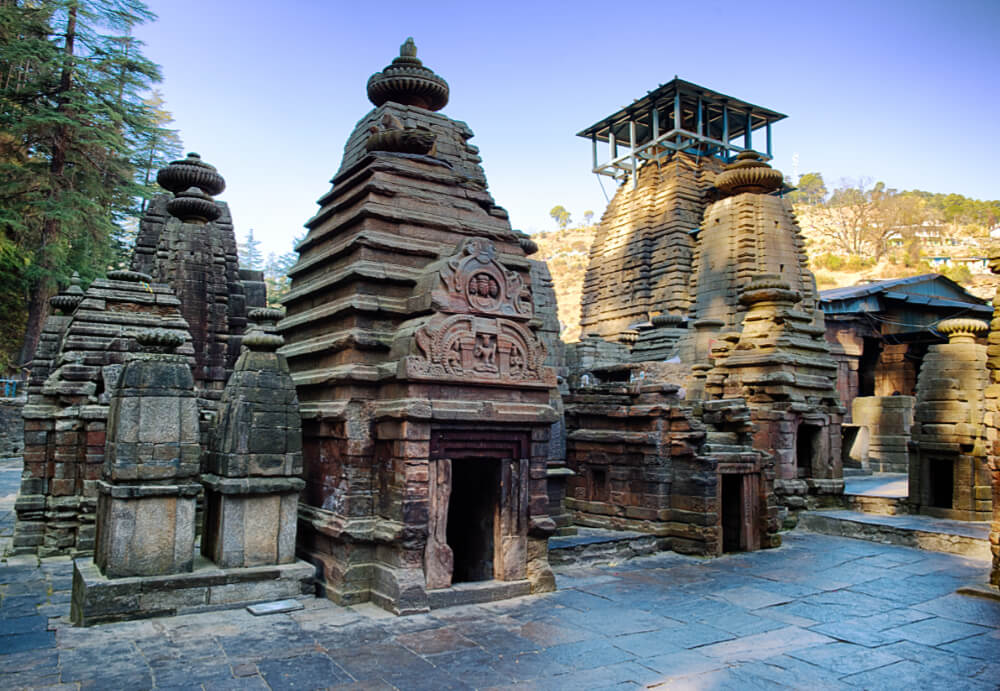
The main temples in this cluster are –
Shri Jyotirlinga Jageshwar Temple. This temple is dedicated to Bal Jageshwar or ‘Child Shiva’. It is believed that Lord Shiva came here for meditation and women folk gathered to take a look at him. Men were outraged. They paid a visit to the place. To control the situation, Lord Shiva took a child’s form. And that is how he is still worshipped here. The entrance of the temple has Nandi and Skandi as the door guardians (dwarapals). The Shivlinga in the sanctum sanctorum of the temple is divided into two parts (representing Lord Shiva and his consort Parvati)
Hanuman Temple. A South facing temple. It has been repaired with cement-mortar. Not much is known about the temple in folklore or in history.
Neelkanth Temple. The temple is constructed to pray to the form of Lord Shiva that consumed the poison capable of ending the world. Lord Shiva held the poison in his throat that turned dark as a result earning the name of Neelkanth for Lord Shivam. This temple is surrounded by various small other temples too.
Sun Temple. Dedicated to the Sun God.
Nav Griha Temple. Dedicated to the nine celestial bodies as per Hinduism.
Pushtimata Temple. Temple of Goddess Durga Mata. This is a small temple built in the 9th century and enshrines the full murti of Goddesses.
Maha-Mritunjaya Temple. The oldest of the temples, with a natural uncarved rock lingam. Lord Shiva is worshipped here as a saviour from the unending cycle of life and death. Believed to have been consecrated by Adi Shankaracharya, this Shivling is said to grant only those wishes originating in the whole of Jageshwar Dham that are rooted in positivity and pure intent.
Lakulish Temple. Temple dedicated to Lakulisa, who was the founder of Pashupata Shaivism which was one of the oldest and most prominent Shaivite schools.
Kedarnath Temple. One of the earliest references to Kedarnath occurs in the Skanda Purana (c. 7th-8th century), which contains a story describing the origin of the Ganges river. The text names Kedara (Kedarnath) as the place where Shiva released the holy water from his matted hair. Some local priests point out the proximity of Jataganga (River arising from the locks of hair of Lord Shiva) and this small Kedarnath temple, raising the doubt that this may be the Kedarnath mentioned in the religious text.
Annapurna Temple. Annapurna Devi is a manifestation of Parvati and is known as the Hindu Goddess of food and nourishment.
Nav Durga Temple. The nine different forms of Durga Mata are worshipped here.
Batuk Bhairav Temple. Temple dedicated to the sons of a stout devotee of Lord Shiva. The devotee was given a boon that his sons will be worshipped before the worship of Lord Shiva, owing to his devotion to the Lord.
Kuber Temple. Kuber is the lord of wealth and the king of semi-divine Yakshas in Hinduism. The temple is located at a small distance from the main group and can be reached by a bridge.
Devotees usually follow the same sequence for their pilgrimage as we have listed above. These temples are highly revered.
Furthermore, this region is believed to be the birthplace of prayers offered to the Shivling, adding to its spiritual significance. The place is mentioned multiple times in the Skanda Purana, Linga Purana, Markandeya Purana, as well as in several other sacred scriptures.
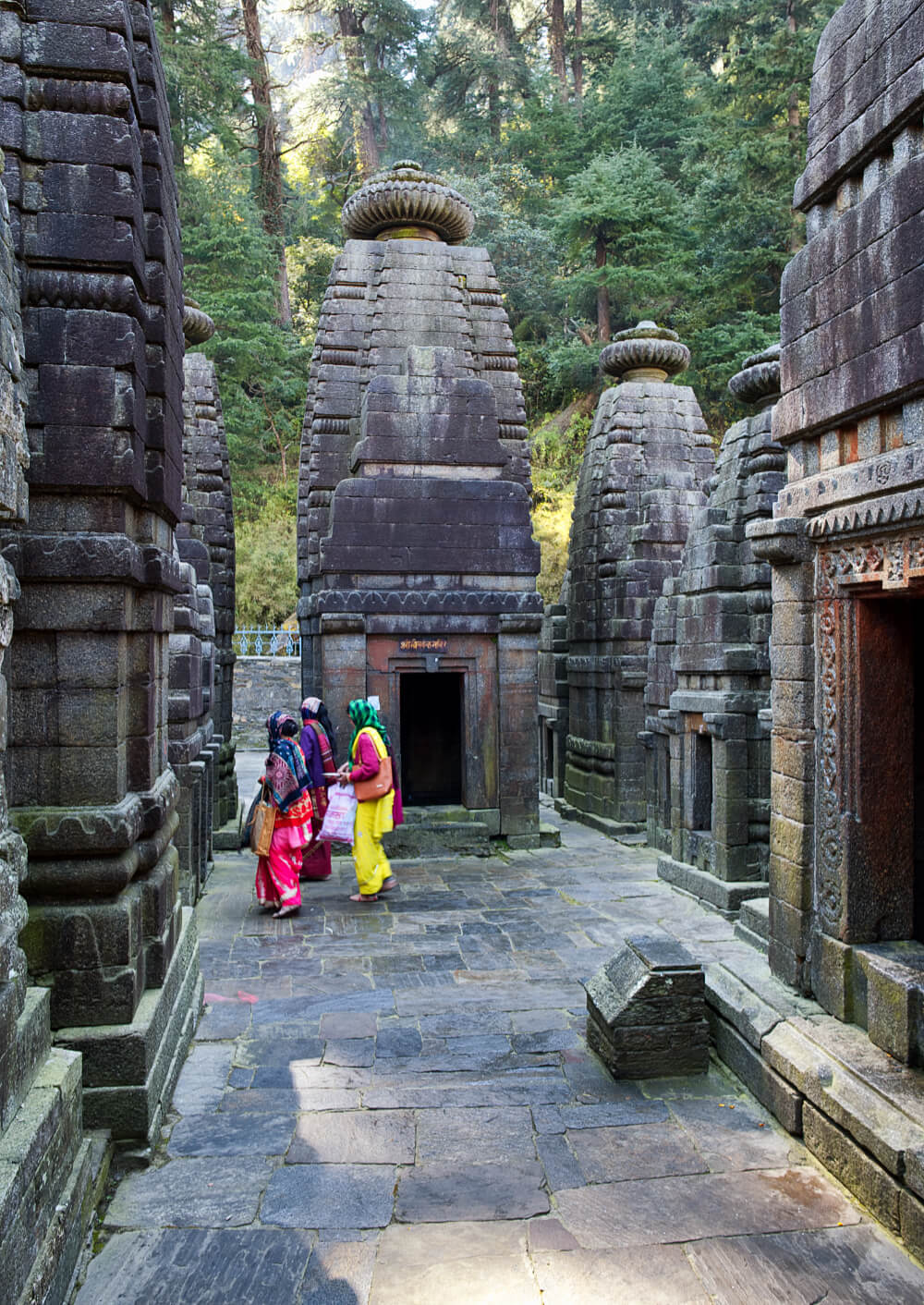
The temples’ architecture belongs to the Nagara style, which has a tall curvilinear spire shikhara (tower) surmounted by an amalaka (capstone) and a kalasa crown most of the square sanctum sanctorums. Most of the temples enshrine stone Shivlings.
Visiting the temples requires walking barefoot on the campus. We recommend planning a trip in the summer. During winter the stone floor can be uncomfortably cold.
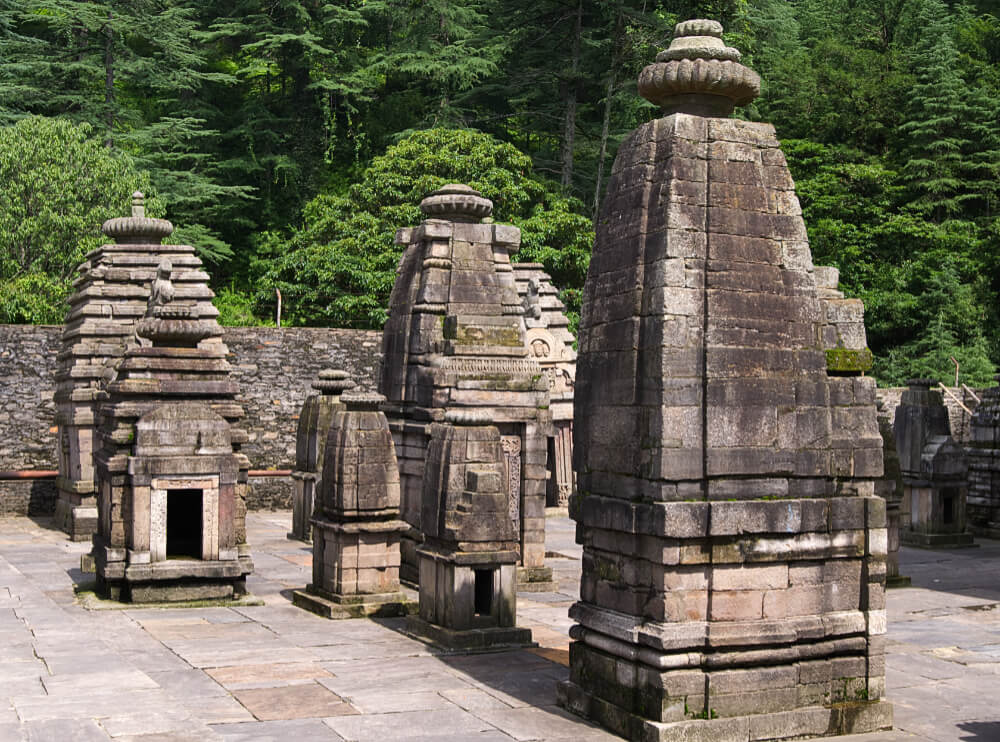
Dandeshwar Temples – these form the smaller group of 15 temples located close by. The largest of these is Dandeshwar Temple. The Shivlinga is an uncarved holy rock. There is an incomplete temple also in this group and it has its own story.
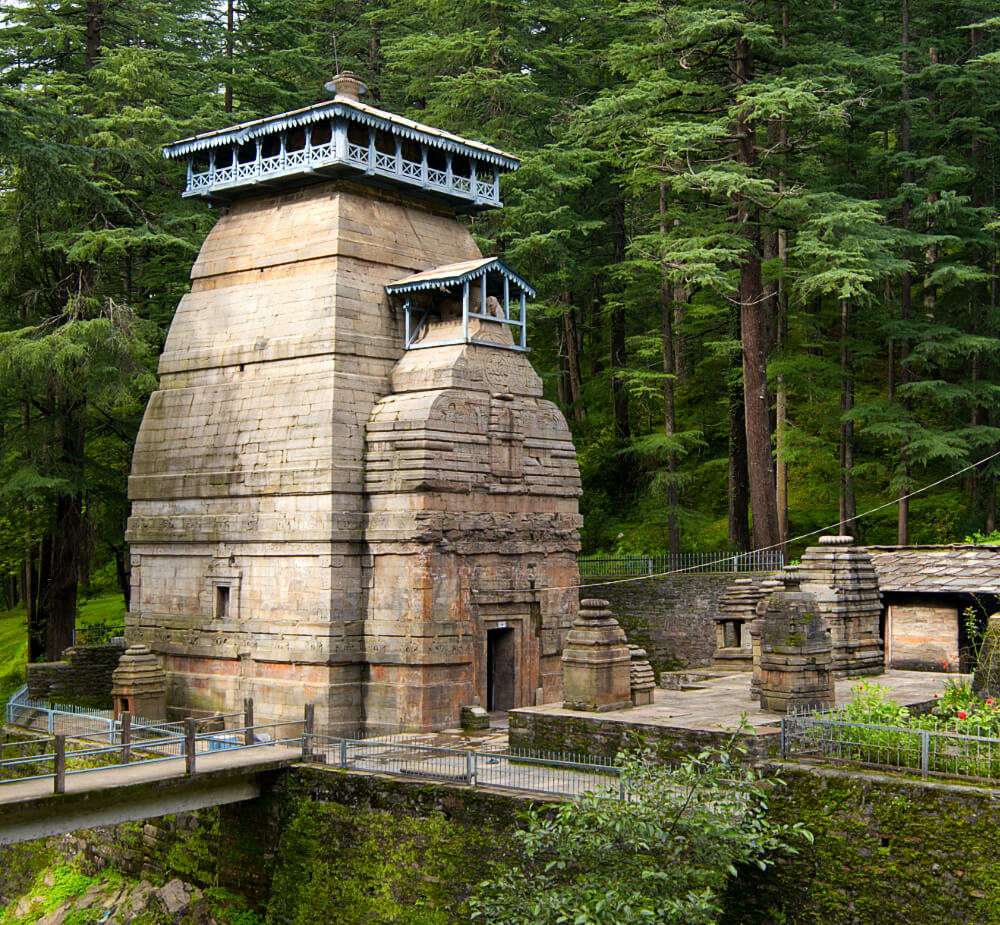
A must-visit temple in the region is Vridha Jageshwar, situated atop a scenic hill, a short distance from the main cluster. Revered by many, this temple holds a special place in pilgrimage traditions, with some considering the journey incomplete without paying homage to this sacred site. Its elevated location adds to the charm, offering breathtaking views that complement the spiritual experience. The location is also the origin of the Jataganga river, on the banks of which the Jageshwar Dham is situated.
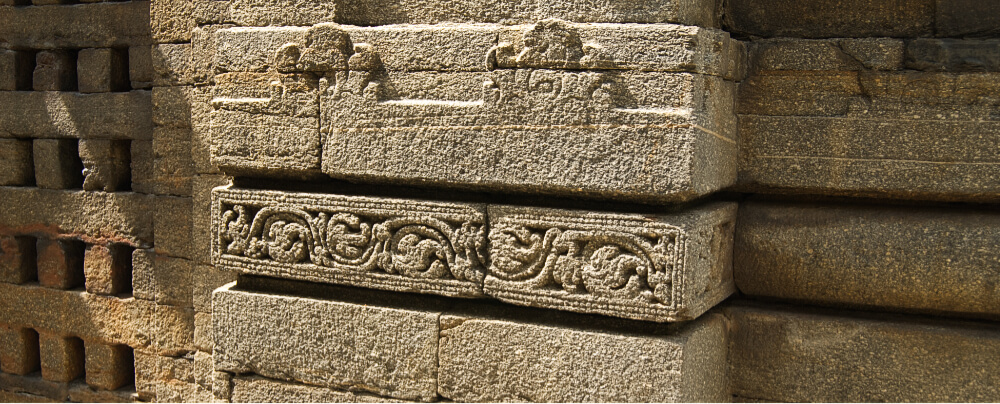
Enjoy the Town
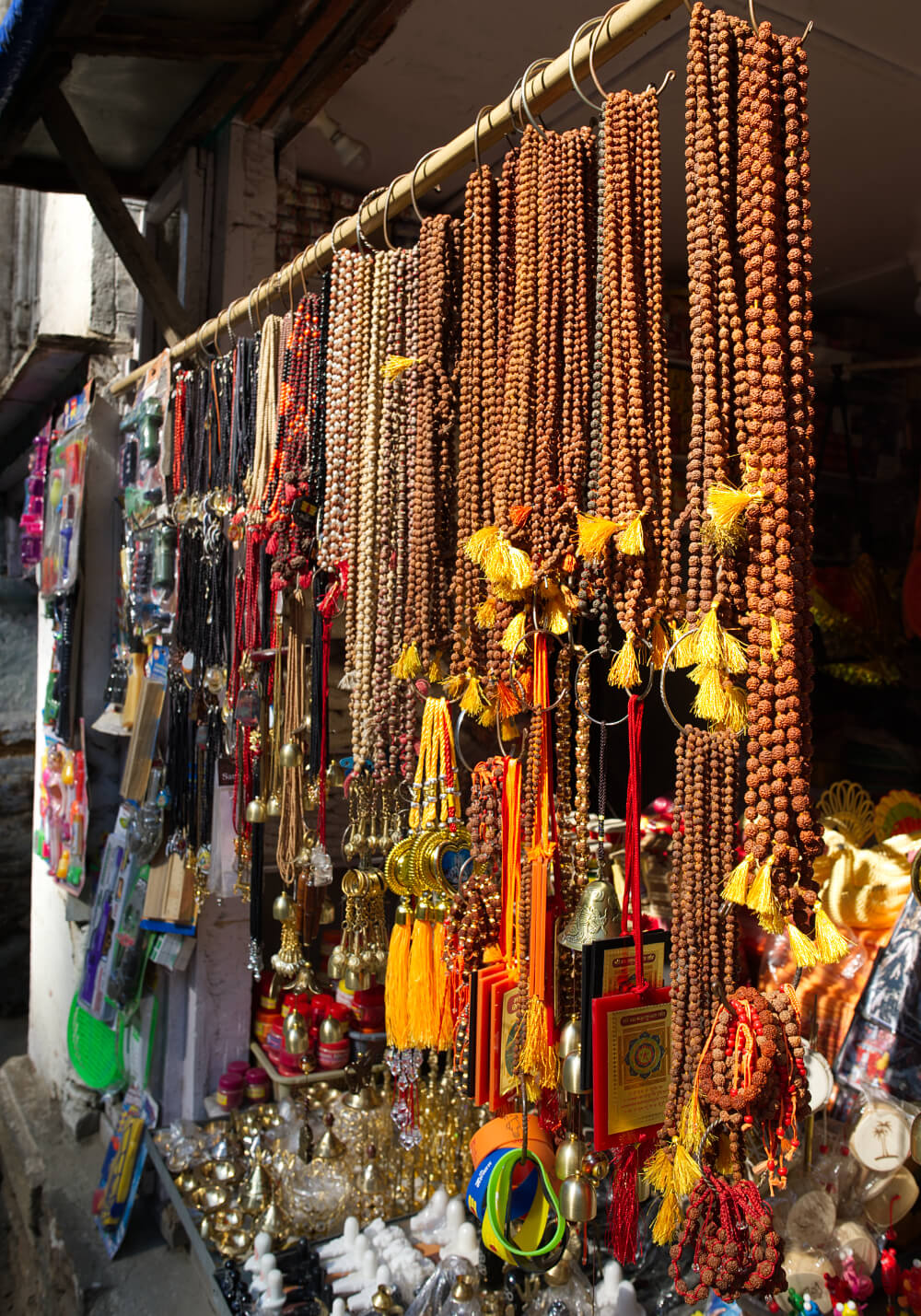
Just before reaching the entrance of the Jageshwar temples, a charming street market awaits, offering a delightful array of souvenirs and religious items. Recently, a museum has been established, further enriching the cultural experience. Embark on a day trip to this captivating destination and indulge in the treasures of history, culture, and spirituality.
As you explore, take a moment to follow a tranquil path leading to a nearby stream. Just trek down to it and enjoy the gurgling sound of the flowing water.
Don’t forget to dedicate some time to meandering through the town. You’ll be captivated by the sight of enchanting old houses, have the opportunity to interact with intriguing locals, and savour the delectable flavours of the region’s local cuisine.