Learning from Johannes Vermeer

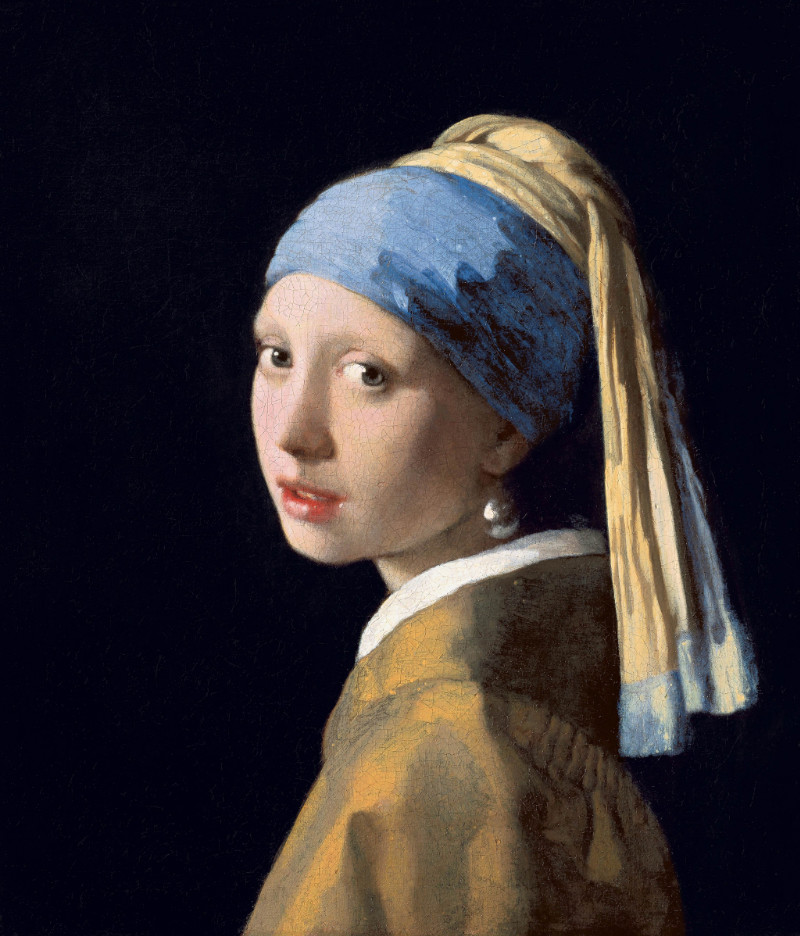
Johannes Vermeer was a Dutch painter known for his limited but exquisite body of work. Despite painting only a few pieces and never traveling far from home, he remained relatively obscure until some prominent figures recognized his talent. For photographers, Vermeer’s paintings serve as both inspiration and a valuable source of learning.


Girl with a pearl earning
Continue reading Learning from Johannes Vermeer

Minimalism in Photography

KISS… Keep It Simple, Stupid!
A girl-friend had once told this to me. Quite a famous line and I don’t even know where it originated initially. Little did I know that after so many years, this will become the opening line of this article.

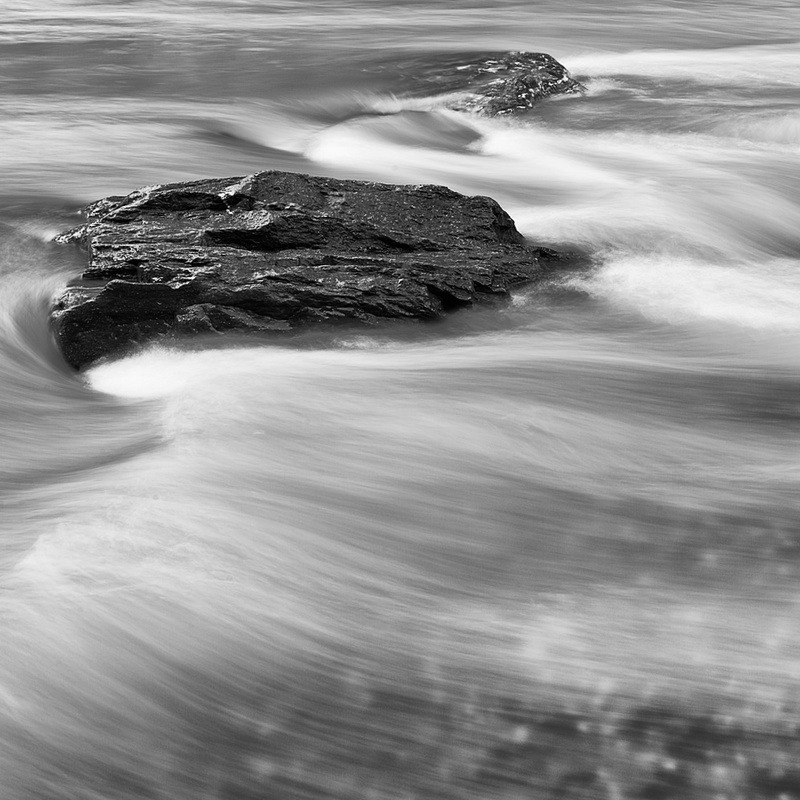
Keeping compositions simple is one of the most effective ways to make them powerful. A strong composition that is easy to understand and conveys its message clearly is the best gift you can offer your viewer. This embodies the essence of minimalism in photography.

Rock and Swirls
Continue reading Minimalism in Photography

Critique… Improve… Critique… Improve…

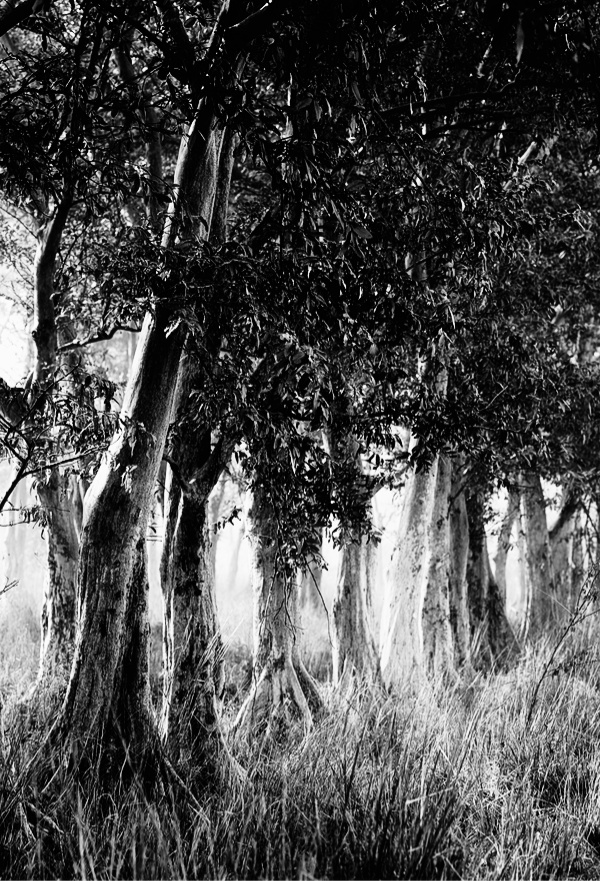
A motivational speaker and a friend of mine once told me, “feedback is the breakfast of champions”. This is especially true when it comes to learning photography. It sounds obvious but very few of the photographers actually make use of it. If you are a photographer trying to improve your skills, do try to get some artists and photographers to critique your work.


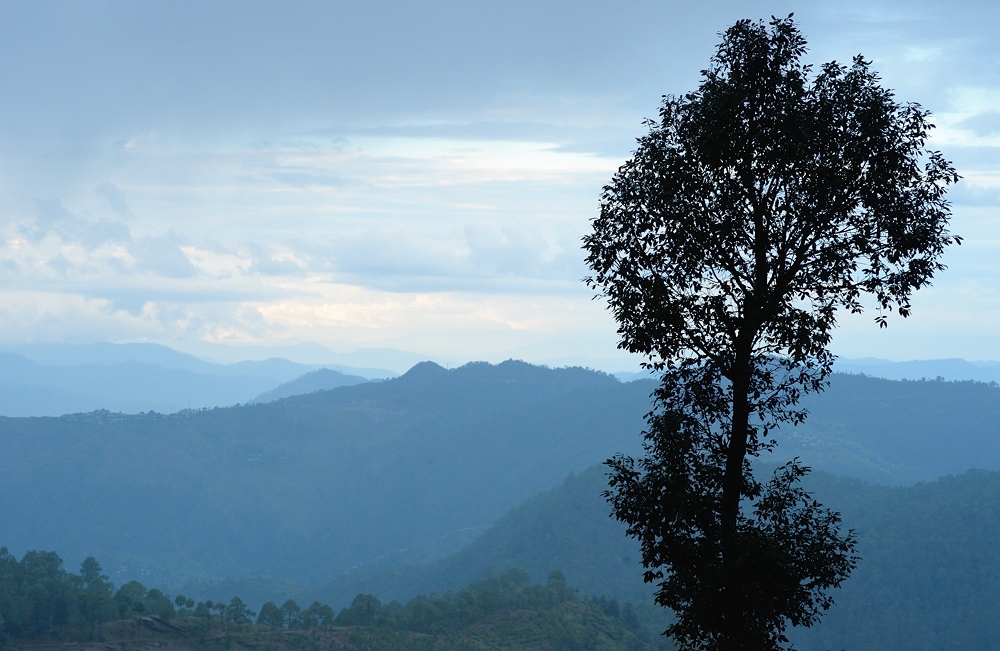
Kumaon Hills

Continue reading Critique… Improve… Critique… Improve…

Balancing Elements – A Study of Locomotive Parts

Do you recall the sketches from your childhood? Recently, my parents shared with me some of the sketches that I had drawn as a kid. The most common sketch was a landscape done with crayons. It seems I was quite fond of it. There was a row of mountains, a river flowing down from the mountains dividing the foreground into two parts. One of these had a simple house and the other part had a tree growing. Behind the hills, on one side was the sun and on the other side were birds flying. I am sure many of you created similar sketches. Now even my daughter creates similar sketches.


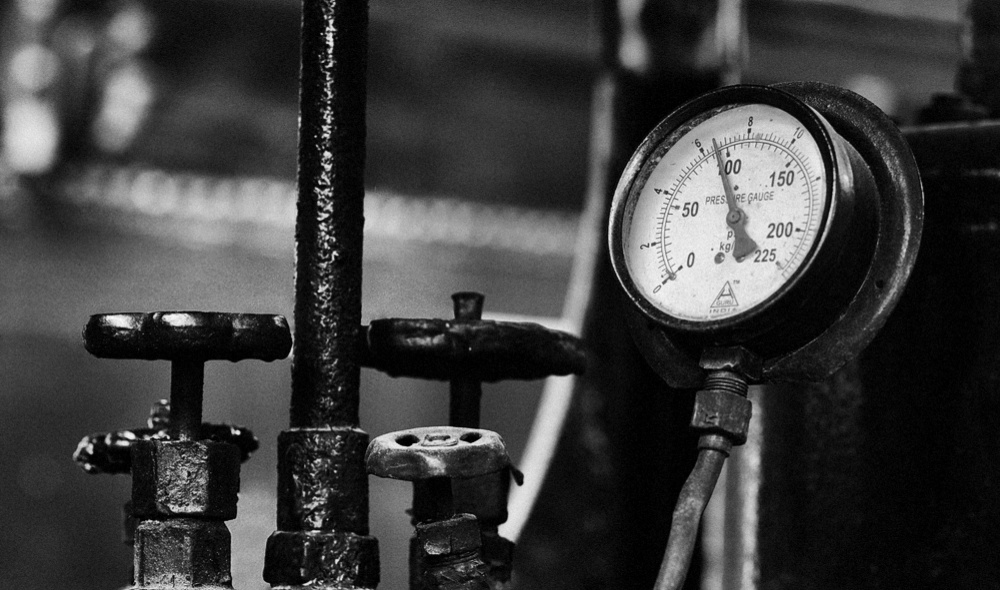
Following up on those days, this is how I have started to balance out my compositions. Now I am learning to let the creative side of my mind, loose. The results seem more pleasing to me now.

Pressure Meter

Continue reading Balancing Elements – A Study of Locomotive Parts

Farmer’s Despair – Improving Composition

On one morning, I ventured out with a couple of my friends. Aim was to photograph some of the rural India. It was a photowalk combined with some quality time with friends. Little did I know that this would let me understand the pains of farmers and help me in my photography-journey.

Continue reading Farmer’s Despair – Improving Composition

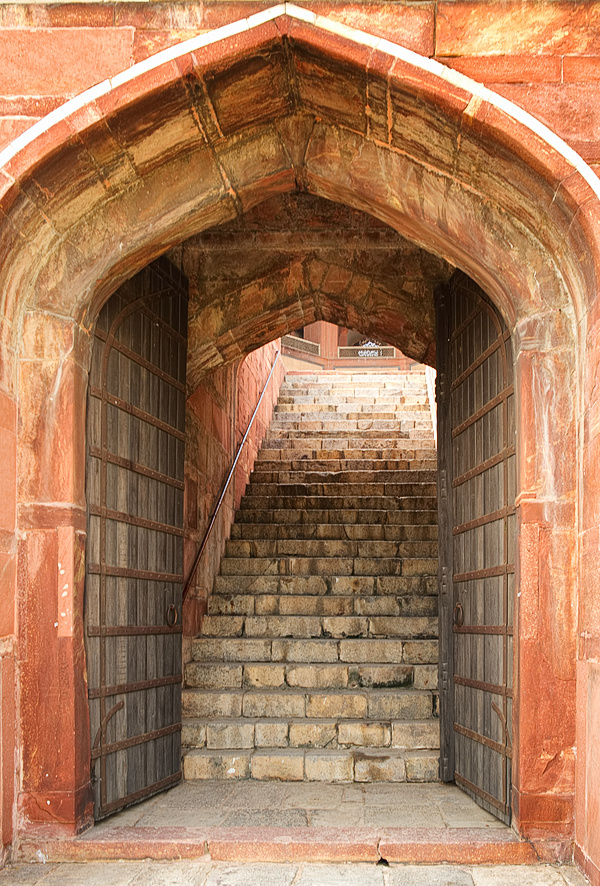
The Stairs Photograph – Improving Composition

Old monuments can be quite interesting to photograph. They are stationary. No need to focus in a hurry or set a high shutter speed to freeze the moment properly. On simple handy cameras, all that is required is a good composition, aperture to have enough depth of field and shutter speed to prevent any inadvert hand shake!


Stairs at Humayun's Tomb

Continue reading The Stairs Photograph – Improving Composition

Story in a Photograph

Every photograph has a story behind it. It means something to the photographer. There would have been incidents, anecdotes or thoughts that led to that image. The gap arises when the photographs fail to convey these stories. This is the medium we have to convey our thought and experiences. So, is it not obvious, that our photographs should also tell these stories?


Post Eye-Surgery

Continue reading Story in a Photograph

Photographer’s Block

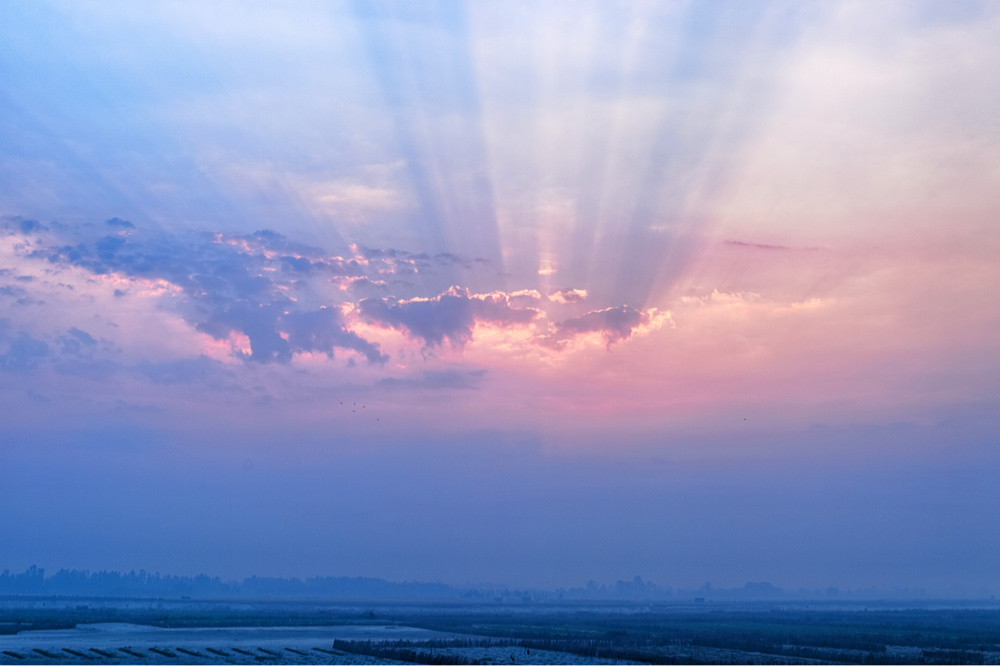
There are times when the artistic instinct suffers a mental block. Writers don’t know what to write. Sometimes they sit with a blank paper not knowing where to start. Similarly photographers too suffer a mental block. The creative side of our mind stops working. What do the photographers do then? Most photographers end up clicking mediocre images, just for the sake of capturing. A few others don’t use their cameras and end up brooding and even sad.

Sunrise

Continue reading Photographer’s Block

Learning from Monet

Learning from Rembrandt has been appreciated by many of my readers and so based on their request here is another similar article.

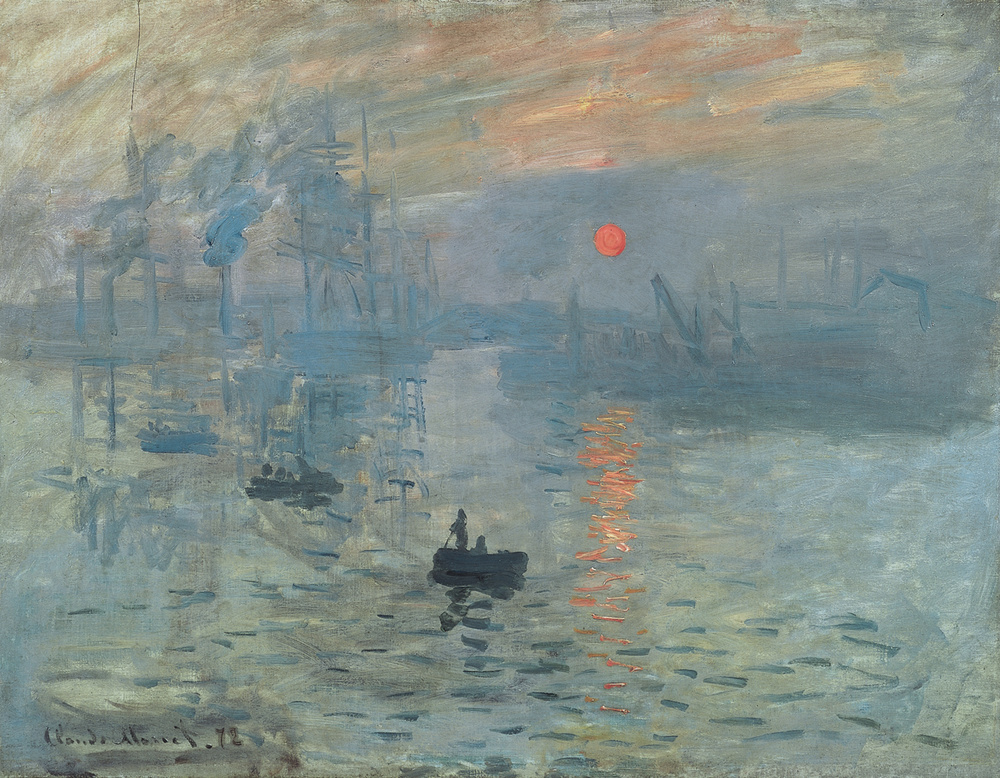
Oscar Claude Monet was a famous french painter, who is well known as the founder of french impressionist painting movement. He took his painting outdoors from the studio and painted mostly landscapes. The impressionist movement itself consisted of putting across ideas to the viewer more strongly rather than focusing on accuracy of natural elements. As is the case with most painters, even Monet can be great source of learning for photographers too.

Impression, Soleil Levant

(Impression, soleil levant – the hallmark painting of the rising sun which gave its name to the art movement)

Continue reading Learning from Monet

Learning from Rembrandt

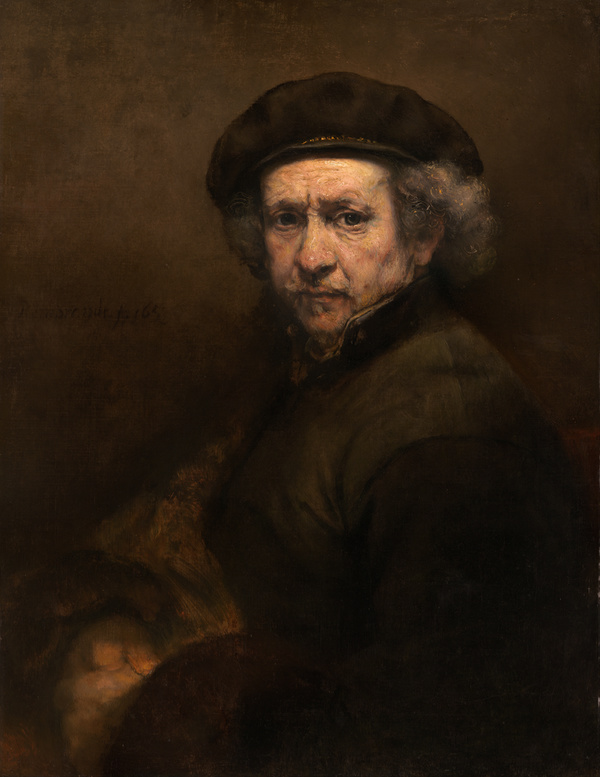
Rembrandt Harmenszoon van Rijn was a dutch painter whose works are well known and extremely valued across the world. His paintings cover a great deal of subjects starting from portraits, self-portraits (selfies?), landscapes and even biblical scenes. There’s a great deal that painters learn from his works. Rembrandt’s works can also be quite useful for photographers.

Rembrandt - Self Portrait

(Rembrandt van Rijn – Self Portrait)

Continue reading Learning from Rembrandt

Photographs that got away!

How many of us have missed photographs that could have been captured? That fleeting decisive moment of Henri Cartier Bresson or the perfect landscape of Ansel Adams! Even the exact pose of that beautiful bird that happened a moment too soon. Even among the hundreds and thousands of photographs captured everyday, missed photo-opportunities always keep coming back to upset us.


Large Oak

(While capturing the large oak in front of the distant hills, I missed out on the squirrel that came to see what I was doing)

Continue reading Photographs that got away!

Myths in Photography? You decide!

“The great enemy of the truth is very often not the lie, deliberate, contrived and dishonest, but the myth, persistent, persuasive and unrealistic.” – John F. Kennedy.
I have come across various schools of thoughts on different topics that some of them are now like widely propagated myths. Are these really myths or just my mind fighting against itself? Has the whole photography fraternity got it wrong and just a handful of photographers can understand the truth or is it me who is confused? Here is a list of top facts that I consider to be myths.
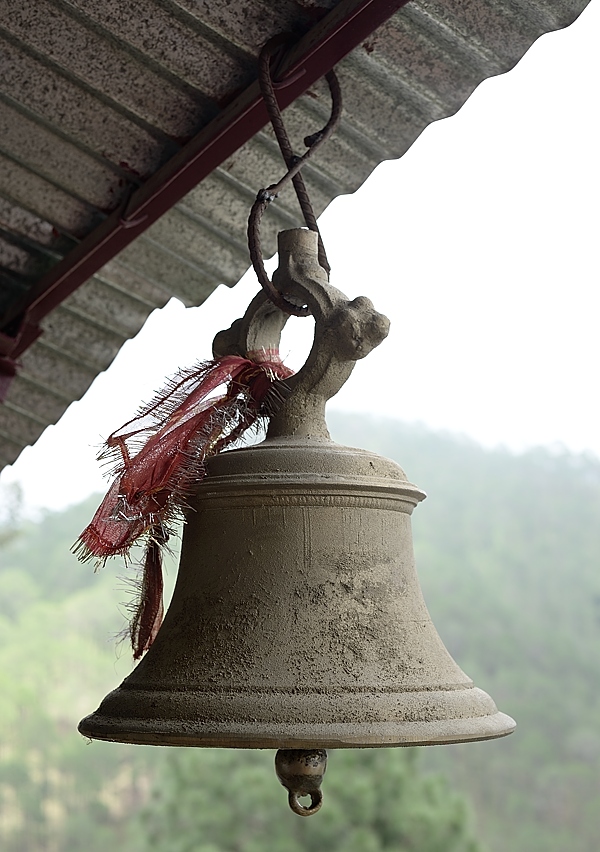
(Nikon Df with Nikkor 50mm, f/5.6, 1/100 sec, ISO 100, +2 EV compensation on center-weighted metering)

Continue reading Myths in Photography? You decide!

Raw files – what affects them

There is a myriad of camera settings that affect a photograph. How many of these changes actually affect the raw files is a matter of debate for some and confusion for most. The common word is that none of the camera settings actually affect the raw files and these are only important if saving photographs as jpg. Is this true? Let’s explore in some more detail.

Continue reading Raw files – what affects them