
Our farming methods are based around self-sustaining ecosystems that enhance biodiversity, restore soils, and conserve resources, while keeping our orchard chemical-free. We started with simple organic farming techniques but now have progressed to even more integrated approach for a flourishing orchard.
Here’s a list of some of these innovative approaches that we use in our Fruit Orchard –
Natural Farming: A low-intervention approach to farming, popularized by Masanobu Fukuoka, which emphasizes no tilling, no fertilizers, and no pesticides, relying on natural biodiversity to maintain soil fertility.
Hügelkultur: A method of growing plants over mounds of decomposing wood and organic matter, creating nutrient-rich beds that retain moisture. Our vegetable planter beds are based on this principal. This also ensures that the soil underneath is not disturbed.
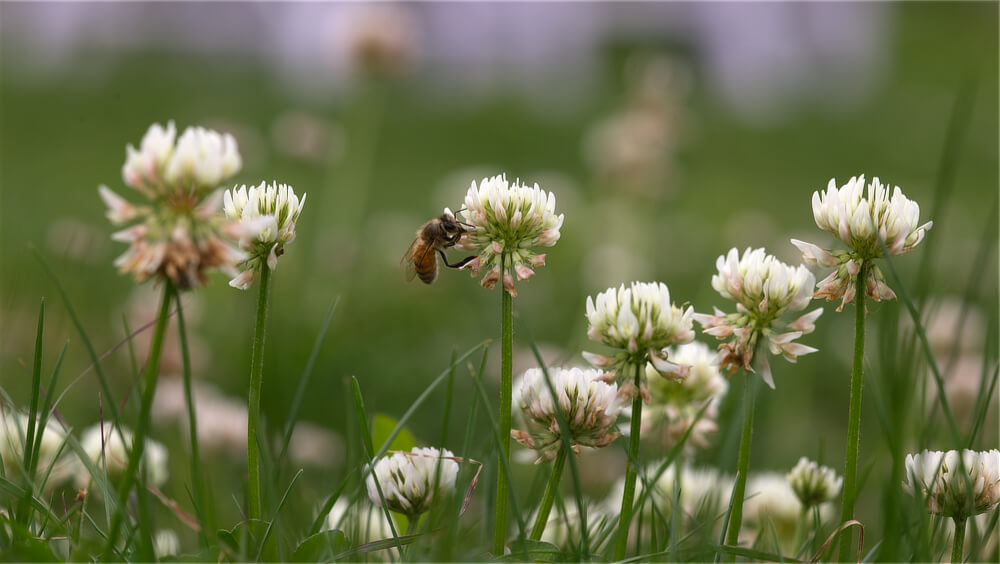
Rewilding for Honey & Pollination: Creating or restoring natural habitats to encourage wild bees and pollinators, providing diverse flowers to support native bees. We even have a mini pollinator hotel. There are several plant patches also that serve as breeding grounds for a variety of butterflies. This also helps in IPM. Marigolds planted near vegetables help pollinators as well as reduce nematodes in the nearby vegetables. At some places we have planted mixed strips of wildflowers too to help the pollinators.
Water Conservation & Management: We have created pits to help percolate rainwater slowly into the ground. Even the grey water from our home gets filtered by sand and is used for recharging the ground water. The rain-water from our roofs is harvested for use in irrigation. We also use Keyline Design guidelines – a land management strategy focusing on water retention and distribution on a landscape, creating fertile valleys and encouraging natural irrigation. Since our orchard is on a steep slope, this is a very important aspect of the design.
Greenhouse: Sustainable farming in a greenhouse using pots or planters is an ideal way to grow herbs and vegetables like cherry tomatoes and chilies with minimal environmental impact. By cultivating plants in a controlled greenhouse environment, we optimize temperature, humidity, and light levels, which supports year-round growing and maximizes yield. We use our greenhouse also as a place to grow saplings from seeds. Companion planting in our greenhouse naturally repels pests and promotes pollination—basil, for example, pairs well with tomatoes. We have also introduced beneficial insects (ladybirds for aphids) in our greenhouse. This approach allows for sustainable, productive, and eco-friendly herb and vegetable farming.
Composting Naturally: Composting is nature’s way of recycling. In our orchard, it transforms kitchen scraps, dry leaves, and other organic matter into rich food for the soil. This living compost improves fertility, holds moisture, and strengthens trees.
Biodynamic Farming: A holistic, spiritual approach to farming, developed by Rudolf Steiner, using natural composts, lunar cycles, and other cosmic forces to promote soil and crop health. It seems like almost a supernatural phenomenon and hardly evidence based, but it seems to work for us. There is lot of anecdotal evidence too.
Harmonizing Forestry and Horticulture: This explores innovative farming practices that integrate trees, shrubs, and crops into a cohesive system. By mimicking natural ecosystems, these methods—such as agroforestry, forest gardening, and syntropic farming—enhance biodiversity, improve soil health, and support sustainable food production.
Polyculture Farming: Growing multiple crop species in the same area to mimic natural biodiversity, reducing pest risks and increasing resilience. This approach also extends our harvest season, allowing us to enjoy fresh produce from early spring all the way through to autumn. The harvest season begins with mulberries, followed by plums and apricots. Next come a variety of brambles like blackberries and raspberries, leading into apples, pears, and persimmons. The season concludes with late fruits such as pomegranates and late pears, ending with a range of nuts.
Integrated Pest Management (IPM): An eco-friendly approach to pest control using natural predators, crop rotation, and careful monitoring to reduce reliance on chemical pesticides. We promote presence of beneficial insects like ladybirds. We also use companion planting techniques to reduce pest infestation. Our apple and pear trees have not been sprayed with any chemical for over a decade now and we are blessed with bountiful harvests every year.
Regenerative Agriculture: Focuses on rebuilding soil organic matter and restoring degraded biodiversity through practices like cover cropping, crop rotation, and no-tillage. We even use additional fungal spores to rebuild soil mycorrhizal networks. Cover crops like dutch clover help maintain the ground cover. Even wildflowers, often mistakenly labeled as weeds, play a vital role in soil conservation.
Permaculture – Based around principles of Permaculture design philosophy, our orchard aims to create a self-sustaining, resilient agricultural system where each element (humans, plants, animals and birds, structures, water systems) supports others, creating minimal waste and meeting all needs within the system itself. Our orchard design brings most of the above methods into an order and includes food forests, natural water catchments using Keyline Designs, and additional composting also to boost soil fertility.
Books to Learn More (In no particular order) –
- The Holistic Orchard: Tree Fruits and Berries the Biological Way – Michael Phillips
- The Natural Way of Farming – Masanobu Fukuoka
- Edible Forest Gardens (Vol. 1 & 2) – Dave Jacke and Eric Toensmeier
- Mycelium Running: How Mushrooms Can Help Save the World – Paul Stamets
- Gaia’s Garden: A Guide to Home-Scale Permaculture – Toby Hemenway
- Farming with Nature: The Science and Practice of Ecoagriculture – edited by Sara J. Scherr and Jeffrey A. McNeely
- Regenerative Agriculture – Richard Perkins
- Secrets of the Soil: New Solutions for Restoring Our Planet – Peter Tompkins, Christopher Bird
- The Organic Gardener’s Handbook of Natural Pest and Disease Control – Fern Marshall Bradley, Barbara W. Ellis, and Deborah L. Martin
- The Greenhouse Gardener’s Manual – Roger Marshall
Contribute to Our Regenerative Farming Journey – Every Contribution Counts
