
Polyculture is a sustainable agricultural method that involves cultivating multiple plant species together in the same area, emulating the natural diversity found in ecosystems. This approach enhances soil health, reduces pest pressures, and increases resilience to environmental changes by fostering a balanced and interdependent system of plants, insects, and microorganisms.

In a polyculture system, crops are selected to complement each other—some may fix nitrogen in the soil, others may repel pests, and many provide shade or support for their neighbors.
Different cultivars (varieties) of the same fruit also help. They contribute to cross-pollination, enhancing the overall yield of our orchard. Additionally, they provide a natural safeguard, ensuring that not all fruits are affected when conditions become unfavorable.
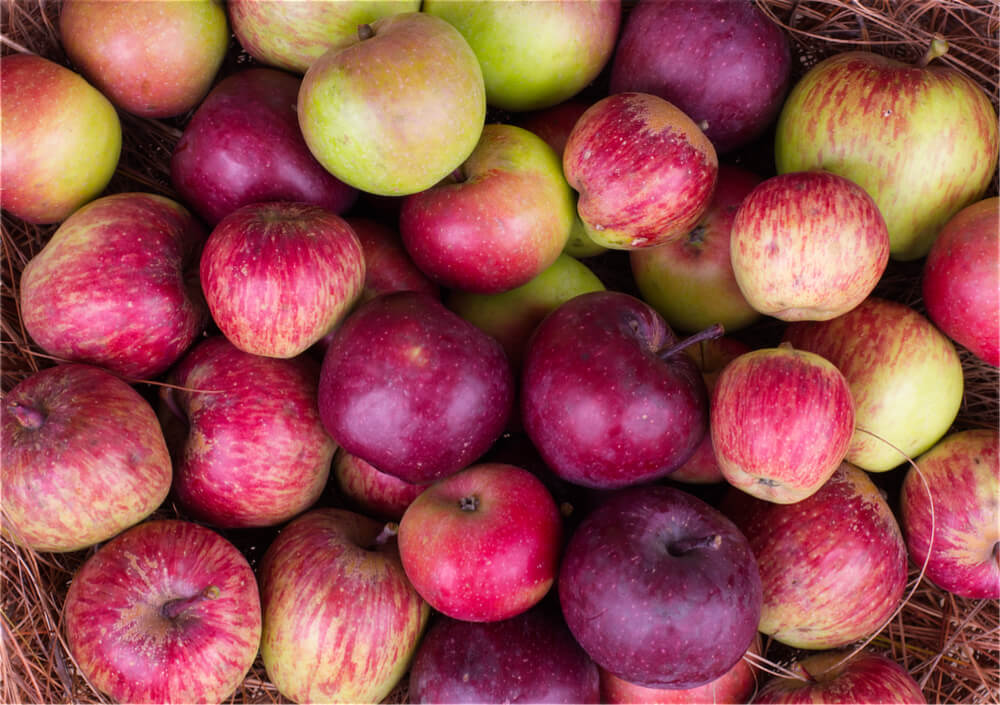
Polyculture also supports dynamic pest management. For instance, wildflower strips within the orchard encourage predatory insects like ladybugs and lacewings, which feed on pests such as aphids and caterpillars. Additionally, flowering plants provide nectar and pollen for pollinators like bees, ensuring better fruit set for apples, plums, and pears.
This approach also extends our harvest season, starting with mulberries, followed by plums, apricots, and brambles like blackberries and raspberries. Midseason brings apples, pears, and persimmons, and the year ends with late fruits like pomegranates and nuts. Together, these practices create a thriving, regenerative system that works in harmony with nature while producing a rich, varied bounty.

Polyculture in our orchard also contributes to climate resilience. Diverse plantings improve soil health, enhance water retention, and protect against erosion. This is especially critical for fruit trees which are sensitive to changing climatic conditions. Mixed planting helps buffer temperature fluctuations, mitigates the impacts of drought, and reduces tree stress.
By cultivating a rich tapestry of plants and fostering interconnections among species, polyculture has transformed our orchard into a self-sustaining ecosystem. It not only ensures high-quality harvests of various fruits but also contributes to the health of the land, wildlife, and broader environment.
Learn more about our methods – Our Farming Methods
