
Permaculture is a design philosophy and practice rooted in creating sustainable, self-sufficient systems that work in harmony with nature. Originating from the term “permanent agriculture”, permaculture extends beyond farming to encompass sustainable living by integrating agriculture, ecology, and human communities. Its principles are guided by care for the earth, care for people, and the ethical use and redistribution of surplus resources.
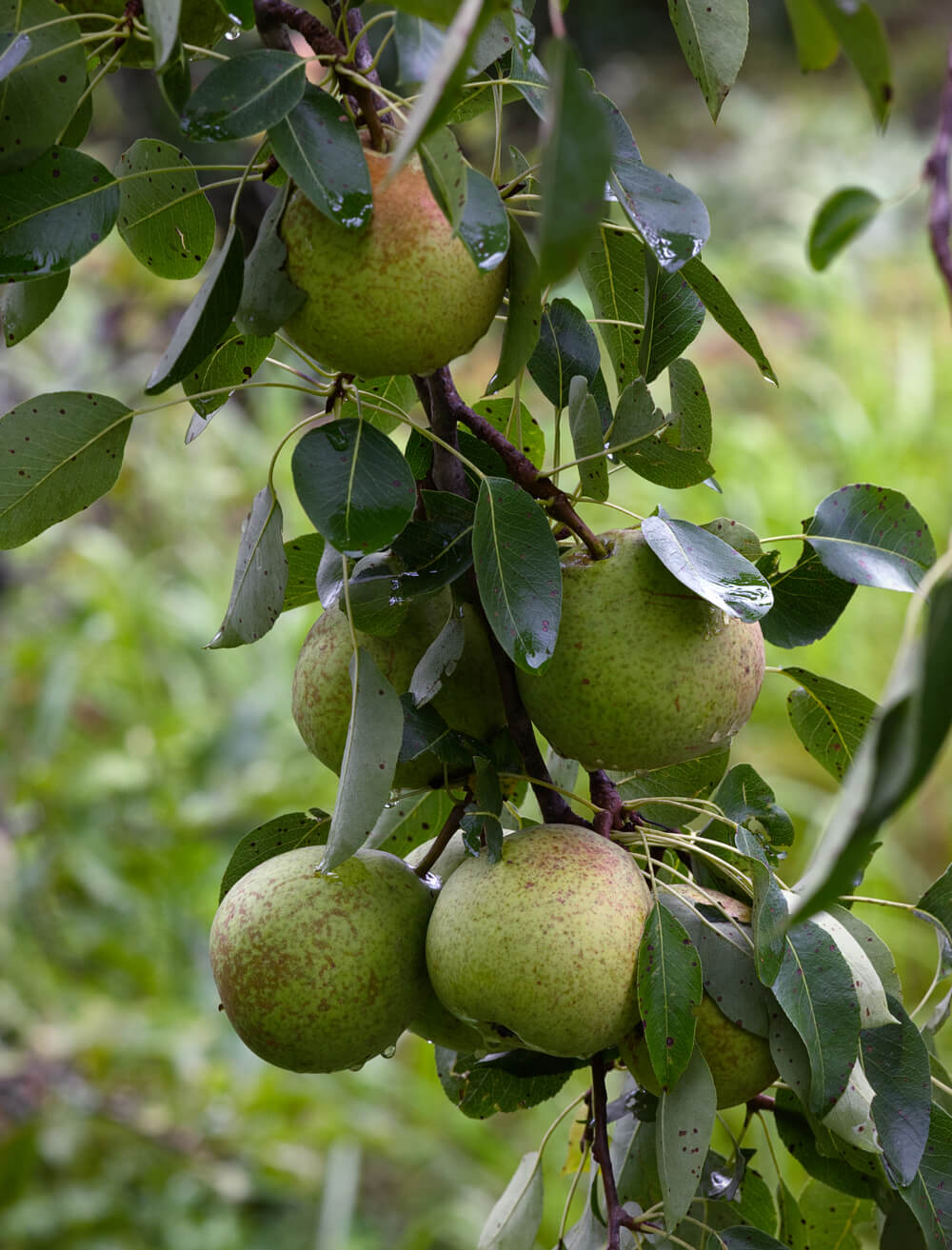
In permaculture, every element in a system is thoughtfully placed to support others, creating an interdependent and resilient ecosystem. For example, rainwater catchments can hydrate fruit trees, which in turn provide shade for understory plants like herbs or vegetables. Wild birds and small animals can help manage pests while fertilizing the soil with their manure. Composting kitchen waste closes nutrient loops, minimizing waste and enhancing soil health.
A hallmark of permaculture is the creation of food forests – diverse, multi-layered systems that mirror the structure of natural forests. The planting design is broadly organized into seven layers: the tall canopy of large trees, a lower layer of smaller fruit and nut trees, shrubs and bushes, climbing vines, herbaceous plants, groundcovers, and root crops beneath the soil. Together, these layers work in harmony to create abundance while strengthening the health of the land. By combining fruit and nut trees, shrubs, vines, groundcovers, herbs, and root crops, these living ecosystems provide food, conserve water, and enrich the soil.
Keyline water management, swales, and natural drainage systems are often employed to capture and distribute water efficiently.
Permaculture promotes minimal intervention in soil systems, emphasizing no-till farming, mulching, and organic inputs. It also incorporates companion planting to enhance biodiversity, reduce pests, and improve yields. For instance, planting nitrogen-fixing plants like legumes alongside fruit trees enriches the soil naturally.
Beyond agriculture, permaculture principles extend to sustainable architecture, renewable energy, reduction of waste generation, and community living. It’s a holistic approach that encourages individuals to design systems that meet their needs while restoring the environment. We are working towards it – Environment, & Social Work
By working with nature rather than against it, permaculture offers a regenerative pathway for food production, ecosystem restoration, responding to changing ecosystems around us, and creating a sustainable future. Through permaculture, our orchard becomes more than just a farm; it becomes a thriving ecosystem where everything has a purpose, from enhancing soil health to supporting pollinators and fostering long-term productivity. Whether you’re interested in learning about our use of cover crops, composting methods, or natural pest management techniques, we’re always happy to share our secrets with you. By working together and learning from each other, we can create a more sustainable and harmonious world for all.
Learn more about our methods – Our Farming Methods
