
Integrated Pest Management (IPM) is a sustainable approach to controlling pests that emphasizes the balance between effective pest control and environmental health. Rather than relying solely on chemical interventions, IPM integrates various techniques, including biological, cultural, mechanical, and physical methods, to manage pests in a way that minimizes risks to people, beneficial organisms, and the environment.
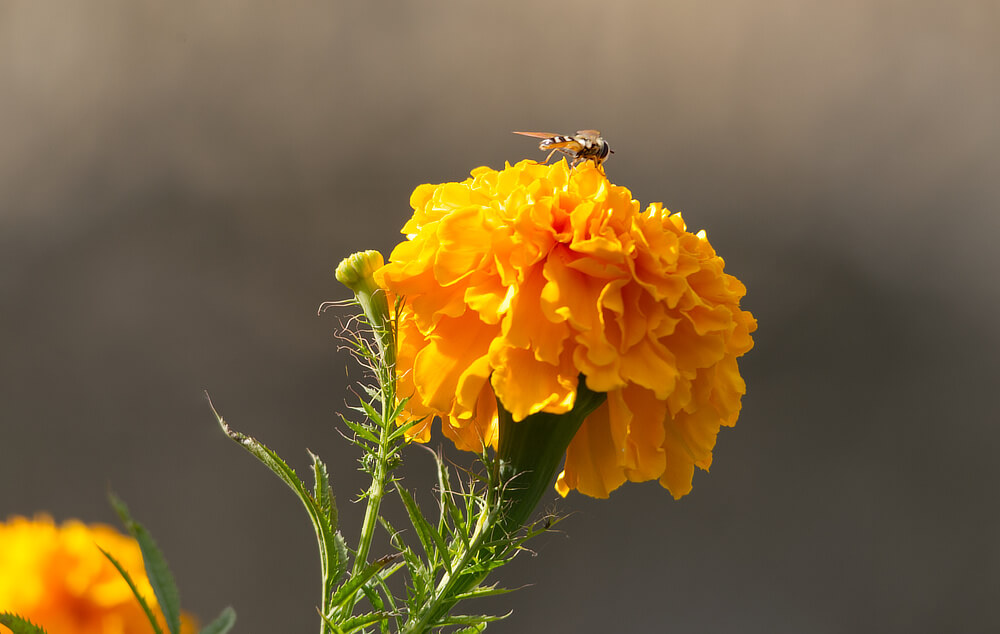
In our garden, we recognize the important role that flowers play in maintaining the health and wellbeing of our fruits and vegetables. By allowing them to grow in harmony with nature, we have been able to create a thriving ecosystem that benefits all.
Marigolds, for instance, have been found to be highly effective at keeping worms at bay when planted around vegetables. Meanwhile, nasturtiums act as a natural barrier, protecting cucumbers from pests and disease. These are just a few examples of the many ways in which flowers can support the growth and health of our garden.
Rosemary and lavender, in particular, are known for their ability to repel insects, which is why you’ll often find these herbs flourishing in our little herb garden. By allowing nature to take its course and observing its wisdom, we have been able to create a thriving, self-sustaining garden that is as beautiful as it is bountiful.
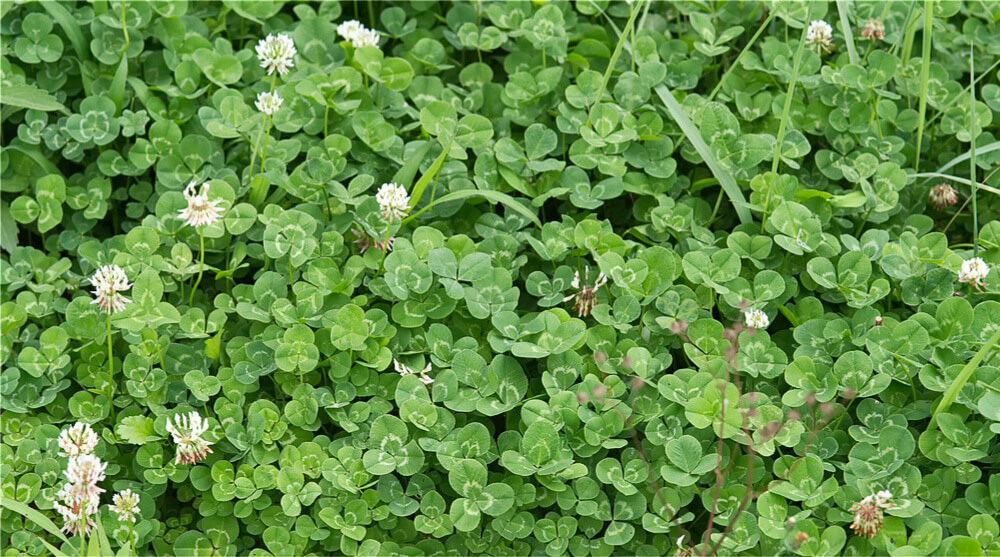
At our orchards, we have planted white Dutch clovers, which act as an excellent ground cover. In addition, these clovers serve as green fertilizers, improving the health and quality of the soil. The tiny leaves of the clovers are home to ladybirds that feed on harmful insects that may cause damage to our apples. The beautiful white flowers of the clovers also attract honey bees, which play a critical role in the pollination of our apples. The dense foliage of the clovers adds to the beauty of our orchard and helps in controlling the growth of weeds, while preventing soil erosion.
We intentionally leave many cobwebs hanging around, especially in the greenhouse. These natural insect traps are very effective in keeping our vegetables, especially the nightshade family ones, pest free!
Ours is a small ecosystem and so sometimes we also have to intervene to control pests. Applying neem oil to control soft-bodied pests like spider mites and whiteflies without harming beneficial insects is one such activity. At times we plant a “sacrificial” crop, such as mustard, to attract pests like flea beetles away from more valuable crops. This also fixes nitrogen which further helps.
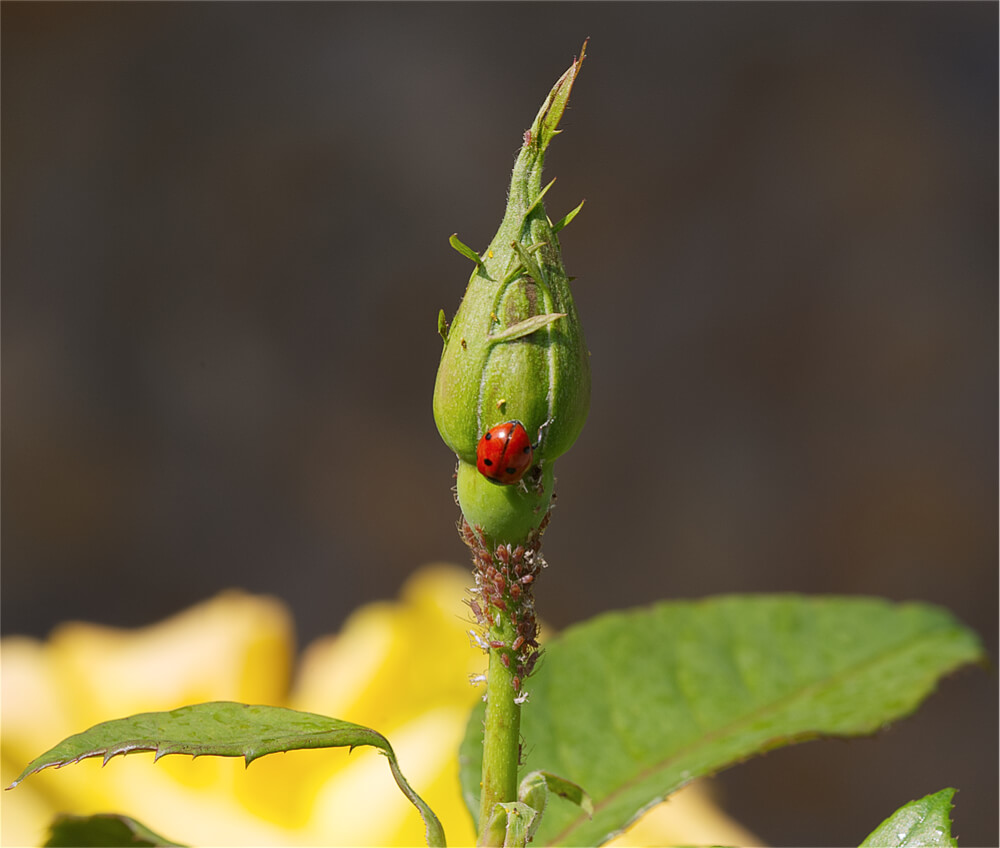
Though IPM practitioners also recommend removing dead leaves and fruits away from the soil but we let them lie. These enrich the soil. We remove the leaves only when during the prior summers the tree was infected with some kind of fungal disease.
Fungi like Trichoderma help fight other harmful fungi without causing any impact on pollinators’ population. Mycorrhizal fungi form symbiotic relationships with plant roots, improving nutrient uptake, particularly phosphorus, and enhancing plant resistance to stress and pests.
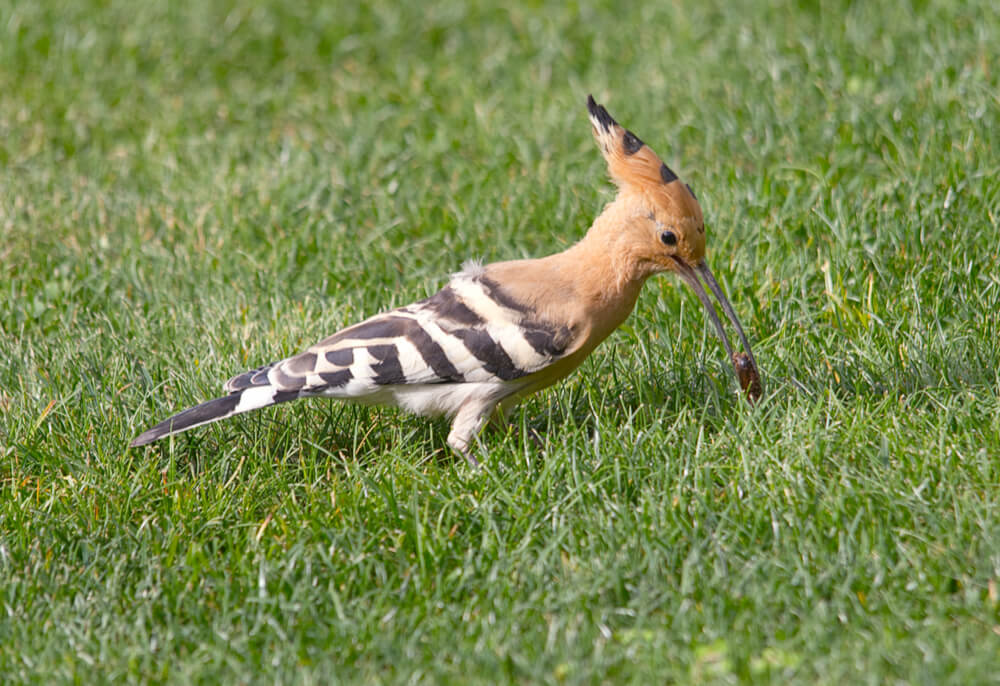
Sometimes, we use a variety of methods to deter birds, including hanging reflective tapes, wind chimes, old compact discs, and even placing traditional scarecrows around the orchard.
Learn more about our methods – Our Farming Methods
