Clutter that builds up

In the process of relocating to another city, we had to pack up our photography equipment as well. While opening the boxes, I realized the amount of clutter that builds up over time. This is worse than the Gear Acquisition Syndrome that most of us suffer from time to time. The clutter I am talking about is the justifiable purchases that gather up.

Continue reading Clutter that builds up

Photographing Sun

Sunrises and sunsets are beautiful. Solar eclipses are intriguing. An image of the sun stealing a glance through clouds can create drama. However, when can the sun be included in the photograph is a big question that many people face. Should it be a part of the frame or not? How about the damage that it can cause to the camera?

Bright Sun

(Bright sun in a photograph can also look extremely bright and even disturbing, but don’t worry. It does not damage the eyes. Staring at it can play tricks with retina leaving an after-image but the effect is temporary.)


Continue reading Photographing Sun

Photographs that got away!

How many of us have missed photographs that could have been captured? That fleeting decisive moment of Henri Cartier Bresson or the perfect landscape of Ansel Adams! Even the exact pose of that beautiful bird that happened a moment too soon. Even among the hundreds and thousands of photographs captured everyday, missed photo-opportunities always keep coming back to upset us.


Large Oak

(While capturing the large oak in front of the distant hills, I missed out on the squirrel that came to see what I was doing)

Continue reading Photographs that got away!

Myths in Photography? You decide!

“The great enemy of the truth is very often not the lie, deliberate, contrived and dishonest, but the myth, persistent, persuasive and unrealistic.” – John F. Kennedy.
I have come across various schools of thoughts on different topics that some of them are now like widely propagated myths. Are these really myths or just my mind fighting against itself? Has the whole photography fraternity got it wrong and just a handful of photographers can understand the truth or is it me who is confused? Here is a list of top facts that I consider to be myths.

(Nikon Df with Nikkor 50mm, f/5.6, 1/100 sec, ISO 100, +2 EV compensation on center-weighted metering)

Continue reading Myths in Photography? You decide!

Old Buildings

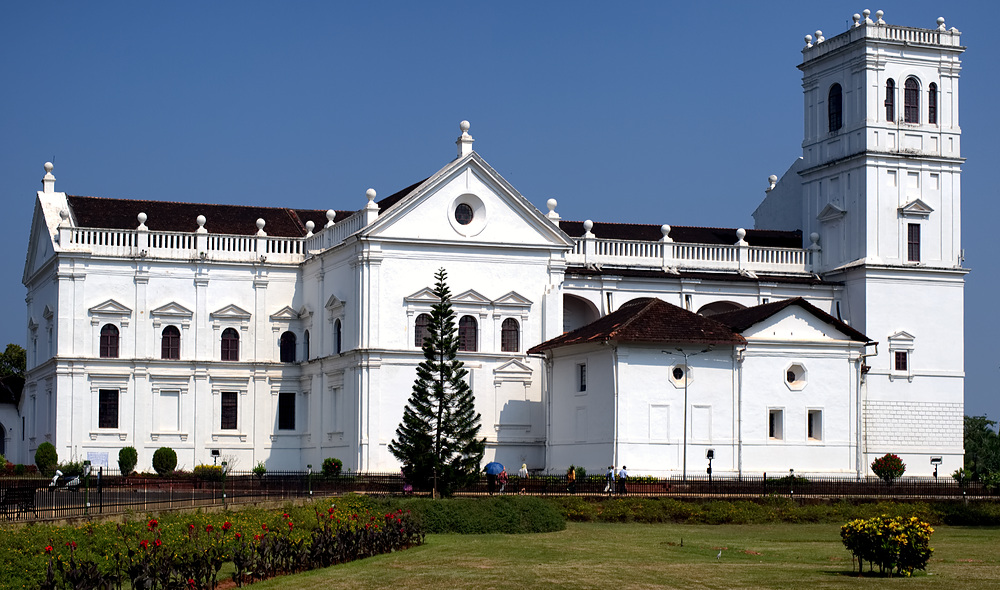
Old buildings carry with them a mystery and character which unfortunately is missing from the present day architecture. For photographers these can be quite an interesting subject. The various forms that they present combined with the interplay of shadows can be a rich source for creating interesting compositions.

Goa Church

(A church in Goa – Nikon Df with Nikkor 50 mm lens, f/8, 1/1000 sec at 100 ISO)

Continue reading Old Buildings

Knowing Where to Stand!

“A good photograph is knowing where to stand.” – Ansel Adams. Knowing where to stand is a part of the process of Visualization. How the various elements in a composition interact with each other in the scene is also determined to a large degree from where the photograph has been captured. Even a few inches of difference in the place where a photographer stands can change the whole meaning of the photograph.


(Bridge from down under – Nikon D200 with Nikkor 35mm at f/8, 1/25 sec at 100 ISO)

Continue reading Knowing Where to Stand!

Rainy Season

Rain rain go away, Come again another day. Rain rain go away, Little Johnny wants to play… I get reminded of this nursery rhyme whenever I see my photographer friends who are scared to take their cameras out in the rainy season. Rains create wonderful opportunities for photography, so unpack your camera and other photography equipment and get ready to click.

Continue reading Rainy Season

Model Release

In the world of today, where more and more people are using cameras to capture everything that seems attractive to them, the question of “Model Release” often pops up. How are amateurs or non-professionals affected by it? If there is a recognizable person in the photograph, how and where can the photograph be legally used? What are the liabilities of such a photograph? I am not a lawyer but based on what I have learnt from various photographers, lawyers and magazine editors, here are the basics relate to Model Release.

Continue reading Model Release

Minimalism – A Way of Life!

Managing with the least resources is what minimalism is all about. This can be a fantastic way to regain vision and clarity of thought. Photographers in general, tend to look down on this and other similar lines of thoughts as weird but the truth is entirely opposite. Minimalism helps in creating some of the best images. It also makes the whole process from initial visualization till the final photograph, more enjoyable. Minimalism is about the freedom and not about restrictions.

Continue reading Minimalism – A Way of Life!

Overflowing Stream

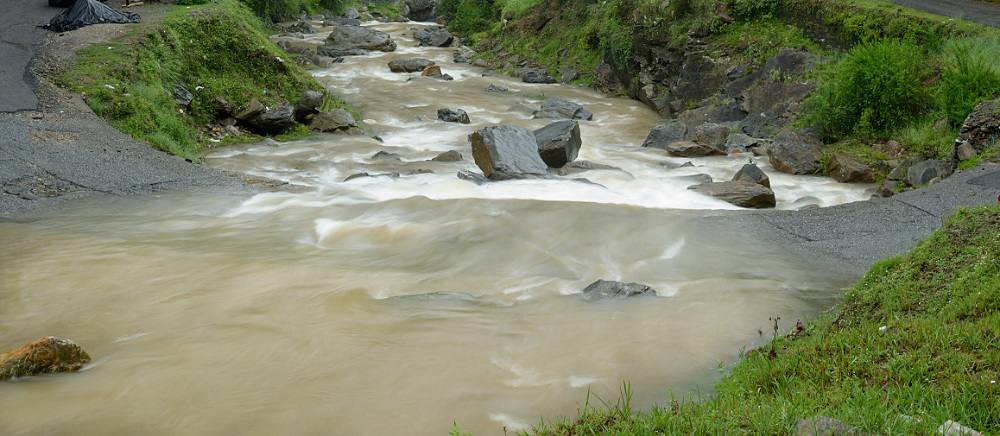
Monsoon is the much awaited season in India. The rains bring in relief from the long spell of hot and dry weather. Everything turns green and looks fresh. With a plan to capture some of these wonderful gifts of nature, few waterfalls and landscapes, I set out on a short trip. My route was blocked by an overflowing stream, part of which was flowing on top of the road. What followed were a few hours well spent photographing the place around the stream.

Overflowing Stream

(A bird’s eye view of the overflowing stream – photographed at a slow shutter speed from a high point with a 50mm Nikkor lens)

Continue reading Overflowing Stream

Temple with Million Bells

Hills always attract me. They have a magnetic effect on me and I get pulled towards them. Every once in a while I give in to this pull and travel to the hills. Few days back, I got a chance to travel to a Hindu temple located near Bhimtal in Kumaon region. This was my second visit to the place.


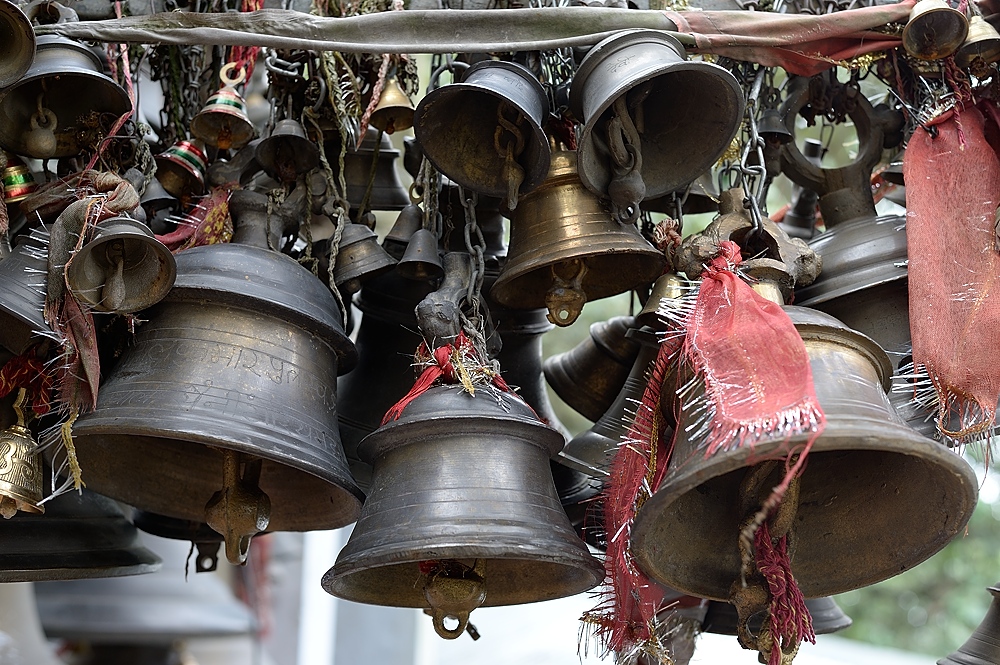
Temple Bells

(Temple bells – Golu Devta Temple near Nainital / Bhimtal in Kumaon)

Continue reading Temple with Million Bells

Photography getting lost to Photo-editing

Darkroom has been replaced by photo-editing on computers. Sadly, a lot of newcomers are now replacing photography with photo-editing. I’ll refer to this habit as photo-shopping since that is what people have come to call it. In fact that is another achievement of the Adobe Photoshop software, to be able to penetrate to such an extent and get known to the masses. My sincere advice to all budding photographers is to start photographing and reduce photoshopping.

Continue reading Photography getting lost to Photo-editing

Photographs without People

Photography is an essential part of vacations for most people like me. Whether you agree or not, one of the most attractive prepositions for a vacation is an opportunity to indulge in photography. Even though human element looks good in most photographs, every once in a while we would love to capture photographs with no people in them. So how do we do it especially when the world population is so high and even the least popular tourist destinations seems to be full of people?

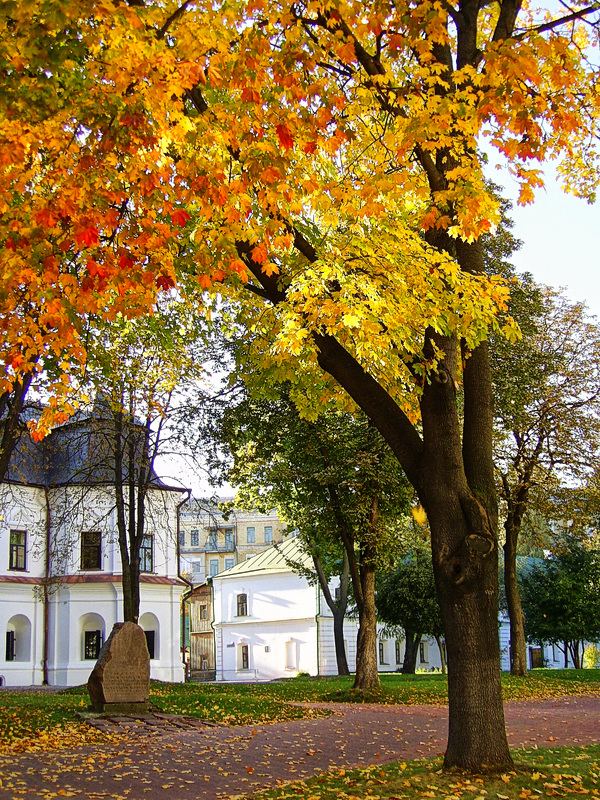
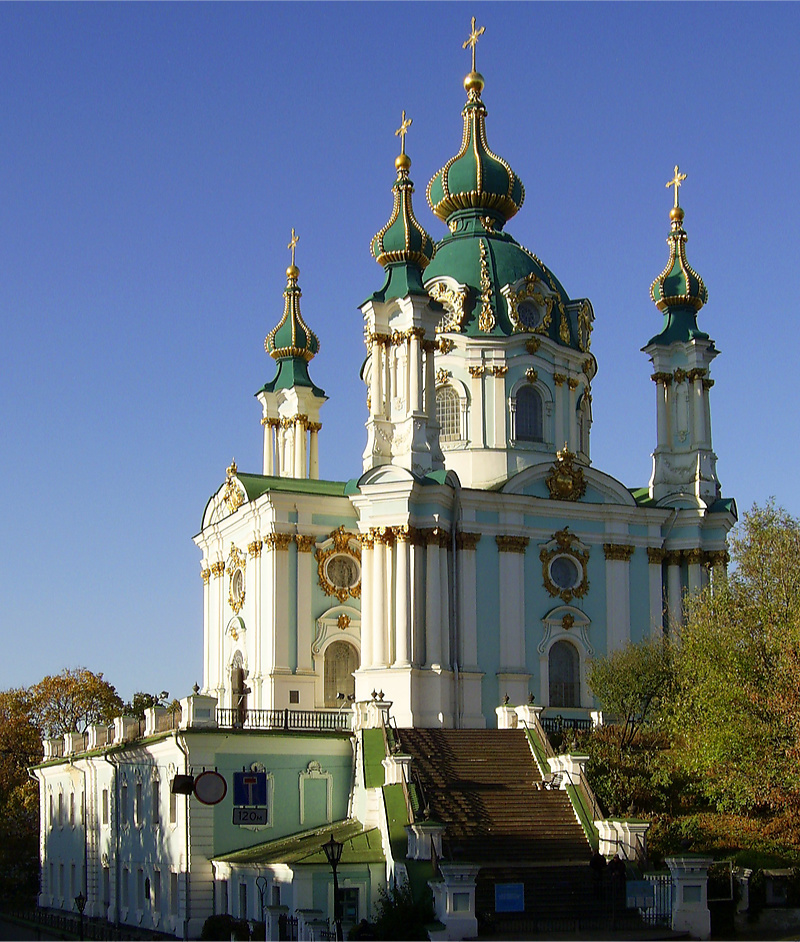
St. Andrew's Church in Kyiv

Continue reading Photographs without People

Beyond the Blue Horizon

“Beyond the blue horizon, Waits a beautiful day, Goodbye to things that bore me, Joy is waiting for me” …

Horizons add depth to landscapes. They show how vast the scene is in the photograph. Though horizons end up being a part of most landscape photographs and of various other genres too, very rarely do photographers give any special attention to it. The photographers should realize that the horizon is actually a very strong line in the composition.

Continue reading Beyond the Blue Horizon

Enchanted by Mountain Stream

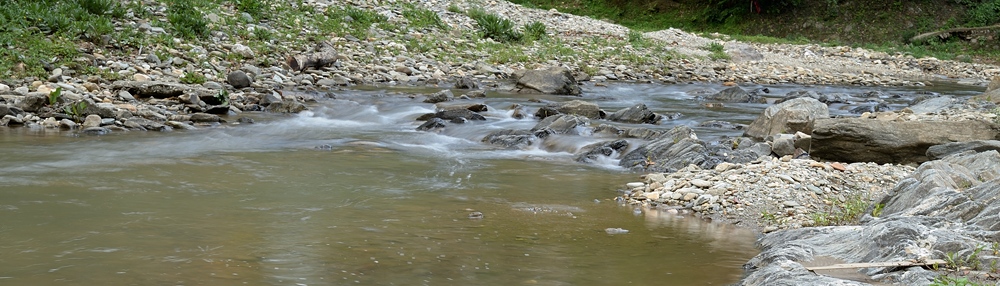
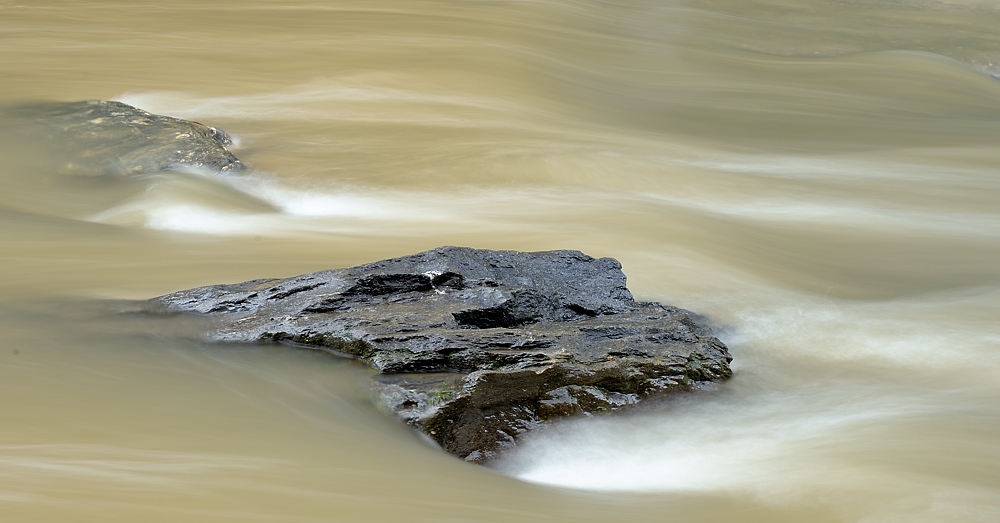
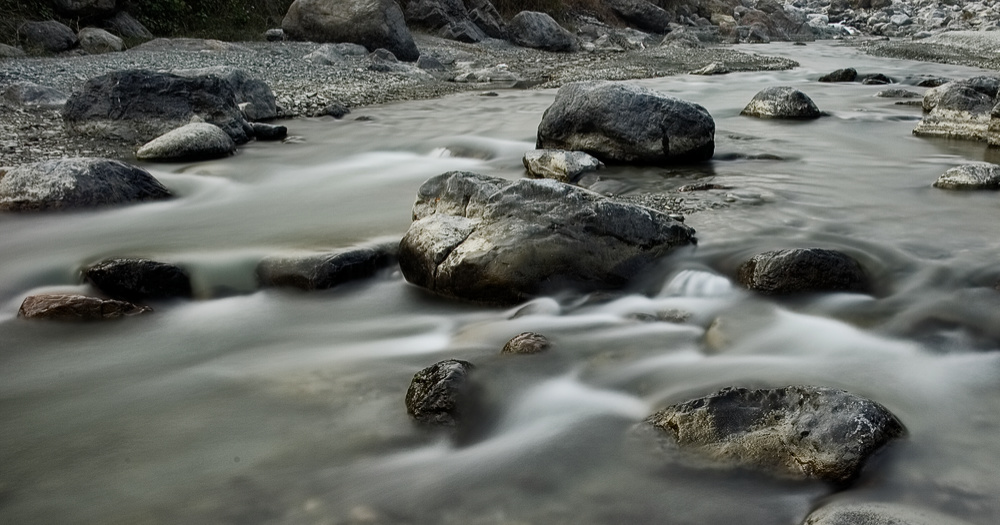
Mountain streams somehow always manage to cast a magical spell on me. They enchant me and I get pulled towards them. Before I know it, my camera is ready to capture their dancing flow and the finesse by which the water hops on the small rocks. I had one such moment some days back when I was driving through some hills in Kumaon region.

Mountain Creek
Mountain Creek
Continue reading Enchanted by Mountain Stream

Buying Filters

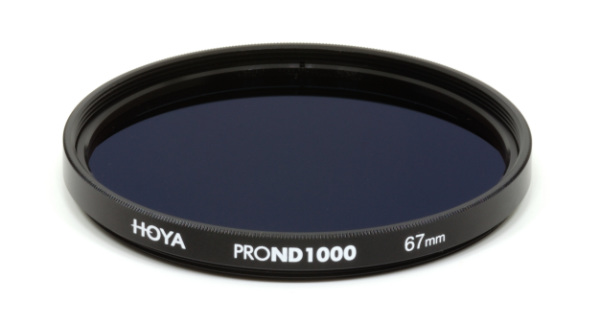
While photographing a mountain stream some days back, I realised the need for a dark ND filter. I was hoping to capture some motion blurs too. Unfortunately the darkest of the filters that I had were not dark enough for the purpose. Faced with a need to buy a dark ND filter, I started searching for one and in the process, came to know how overwhelming the choices are. Buying a simple filter can be a daunting task. There are a huge number of variables and various things to be considered. Filters have come a long way and now these are not just a simple piece of glass in a ring.

Stack of Bamboo

(Stack of Bamboo – Clicked with a Nikkor 105mm lens with polarizing filter mounted on it)

Continue reading Buying Filters

Photography Competitions – Behind the Doors!

I was recently a part of a group of photographers and judges in a photography competition. I am not a famous photographer but yet there are some people who value my opinion. It was quite an ego boost for me. I was one of the less-influential and quiet ones in the group, but I did notice a trend which I felt was an interesting topic to pen my thoughts about. What are the judges in these photography competitions looking for?

Continue reading Photography Competitions – Behind the Doors!

Saturation – the ideal level

The world around us is colored. It is not a surprise then that colors attract us. The colors in photography however assume a very important role. It is therefore important to understand how much of colors are good. The technical term for the amount of color is saturation. Photo-editors of today use powerful algorithms to change the saturation and can vary it between zero (which is practically black and white) to such a high extent that it becomes a pain in the eyes to look at. The ideal saturation level is the one that brings out the beauty in the photograph without looking too artificial.

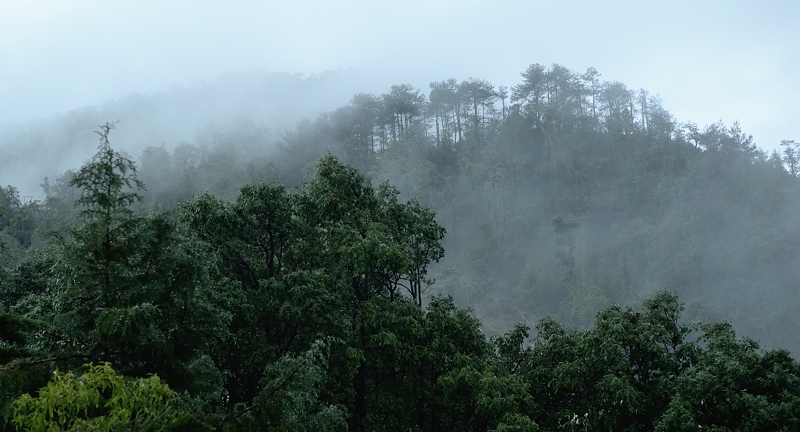
Fog on the hills

(Fog on the hills – a difference in saturation in the trees in the foreground and the ones on the hills gives an idea about the fog. The dark foreground also gives a sense about the late time of the evening.)

Continue reading Saturation – the ideal level

10 Fears that bind photographers down

Every photographer wants to create masterpieces. Buying a camera is easy, learning the basics is also not difficult. Next comes learning to visualize and compose. Ideas start forming in the minds that get expressed using powerful photographs. However there is small problem here that prevents most photographers from progressing to artistically creative from their technically sound status. Each and every photographer has some fears which prevent this metamorphosis.

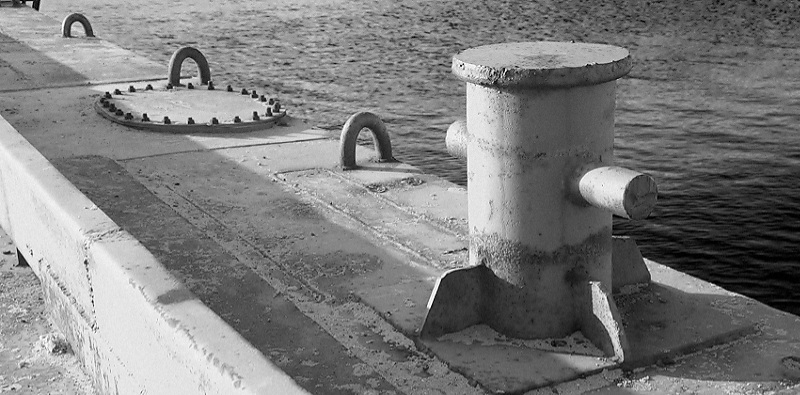
Mooring

(Mooring – Nikon D200 with Nikkor 18-35mm lens)

Continue reading 10 Fears that bind photographers down

Buying your first DSLR

Buying your first DSLR can be the most satisfying purchase, even if you are just a teeny-weeny bit inclined towards photography. Like any other purchase, the camera purchase can be a daunting task, considering the number of choices available and the price range they come in. I always advice my friends to follow few guidelines before buying their first camera.

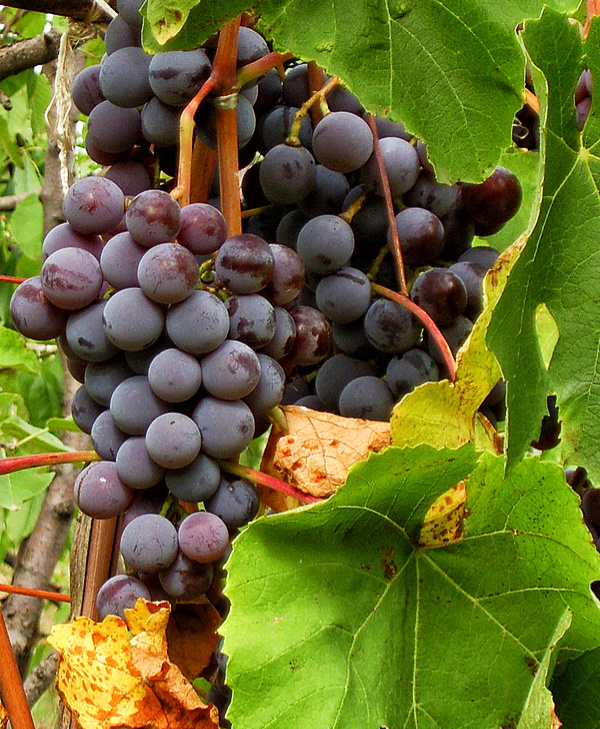
Grapes with Compact Camera

Continue reading Buying your first DSLR

Top 10 Photo-editing Traps

One of the best things that has happened with the digital revolution in photography is the change in darkrooms. Now instead of those truly dark areas with various liquids, we are blessed with comfortable desks and powerful computers. The image editing programs like Photoshop, Gimp, Affinity Photo etc are really powerful. It is also very easy to get lured into spoiling any image while trying to make it better. Here are the top 10 photo-editing traps that should be avoided.

Continue reading Top 10 Photo-editing Traps

Time of the day

“What makes photography a strange invention is that its primary raw materials are light and time” – John Berger. The Booker Prize awardee has summed up in this statement of his, an aspect which every great photographer exploits, to create the best masterpieces. Understanding light is important for photography. With every passing minute of the day, the light varies. The quality of light changes. The weather conditions further define its character.

Continue reading Time of the day

Keep your photography equipment clean!

A friend of mine was searching for an article on how to keep his camera clean. Everything that google searched for him pointed to website that taught about how to clean the camera but nothing about keeping it clean. Based on his suggestion, here are some pointers to maintaining your photography equipment. If you are anywhere close enough to me when it comes to keeping your camera and lens clean, then this is a must read article for you. This is about prevention. Prevention is better than cure, or in this case cleaning.

Continue reading Keep your photography equipment clean!

Macro Photography

There is an unseen world in small details waiting to be discovered. Going close and photographing these small details is what makes macro photography special. There are different definitions for macro photography. Macro photography is generally termed as photographs that are taken at close proximity to the subject in a manner that the scene in front of the lens being captured is of the same size as the sensor. The lens has to focus really close for this.

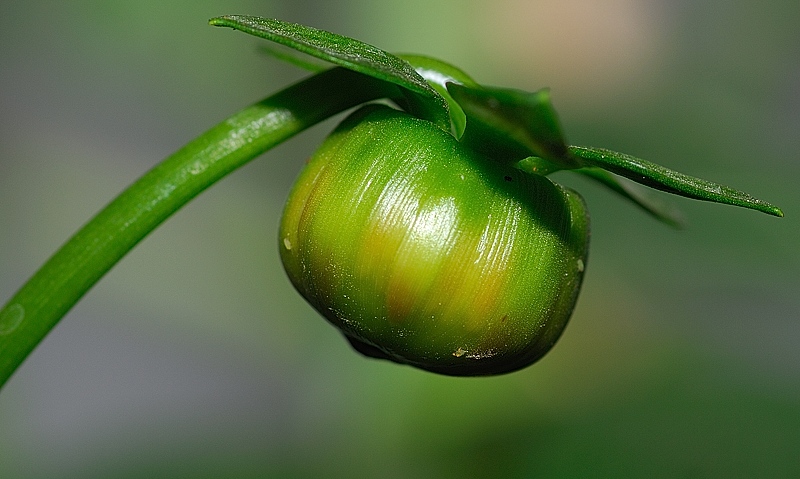
Flower bud photographed with Sigma 105mm macro EX DG lens on Nikon D200

(Flower bud photographed with Sigma 105mm macro EX DG lens mounted on a Nikon D200 body, f/8, 1/250 sec at ISO 100)

Continue reading Macro Photography

Raw files – what affects them

There is a myriad of camera settings that affect a photograph. How many of these changes actually affect the raw files is a matter of debate for some and confusion for most. The common word is that none of the camera settings actually affect the raw files and these are only important if saving photographs as jpg. Is this true? Let’s explore in some more detail.

Continue reading Raw files – what affects them

Changing the Image Size

The size of the photographs captured by a camera, quite often does not match the requirements. The photographs may have to be sent in small sizes by email or uploaded to social networking sites. There are websites that won’t even accept images above a certain size. On the other hand, the photographs may have to be enlarged and printed. The size of the photographs in most conditions also does not tally with the required print size. What happens in all these situations is that the various algorithms take up this task of changing the size of the photograph to provide acceptable results. These algorithms may be a part of the operating system, website designing software, printer’s software or even as coding at the level of websites. The problem? These acceptable results are most often not the best.

Continue reading Changing the Image Size

Nostalgic – Missing Film Cameras!

I have moved to digital cameras almost entirely now. It is comfortable and I feel that I have better control over my photographs. There still are times when I remember my film cameras and miss those wonderful time. Many of the photographers who have started with digital ask me about what it was that film still tends to touch my emotional chords.

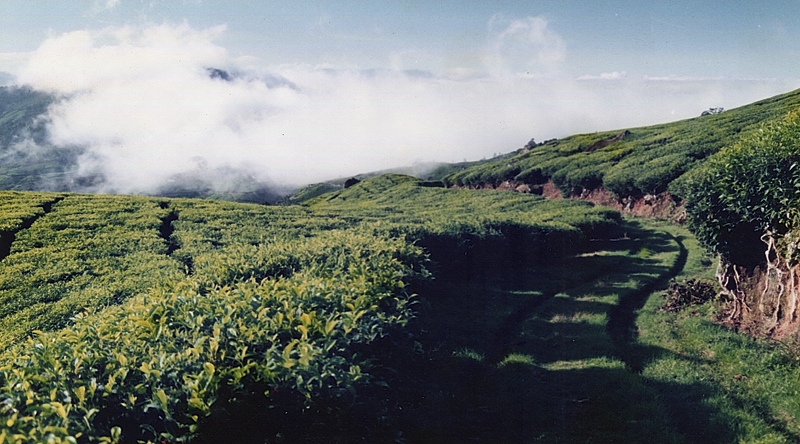
Clouds and Tea Plantation

(Clouds and Tea Plantations – Nikon FM10 with Nikkor 35-70mm lens, Kodachrome)

Continue reading Nostalgic – Missing Film Cameras!

Using Wide-Angle Lenses

Wide-angle lenses are those lenses who focal length is smaller than the normal lenses for a particular film/sensor size. Commonly used by landscape photographers, wide-angle lenses are now very common and all the cameras that come with kit-lenses now have focal lengths extending well into wide-angle territory. These lenses have their own strengths and when used properly, these can add the missing dimension in photographs.

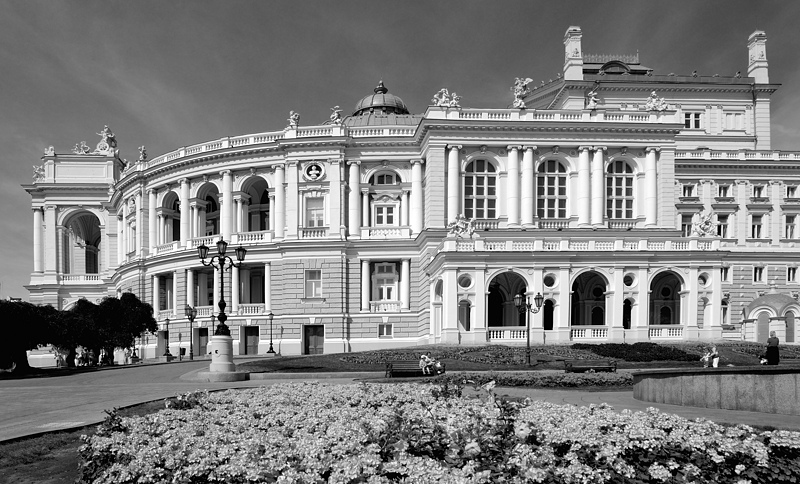
Opera House

(Opera House – Odessa, Ukraine. Nikon D200 with Nikkor 18-35 mm lens)

Continue reading Using Wide-Angle Lenses

Infra-Red Photography

Infra-Red Photography is a very old technique of capturing near-IR spectrum of light. As is the case with many inventions, IR photography started out, of a very specific need during the war time. This need was to demarcate buildings and people from trees and other vegetation. What started as a technique to identify targets during war is now an art-form. In IR photography, the visible spectrum is mostly discarded and only the wavelengths from above 700 nm are used for photography. The results are very interesting, different and quite attractive to look at. Technically these wavelengths are near-Infrared but in photography this has come to be known as simply IR.

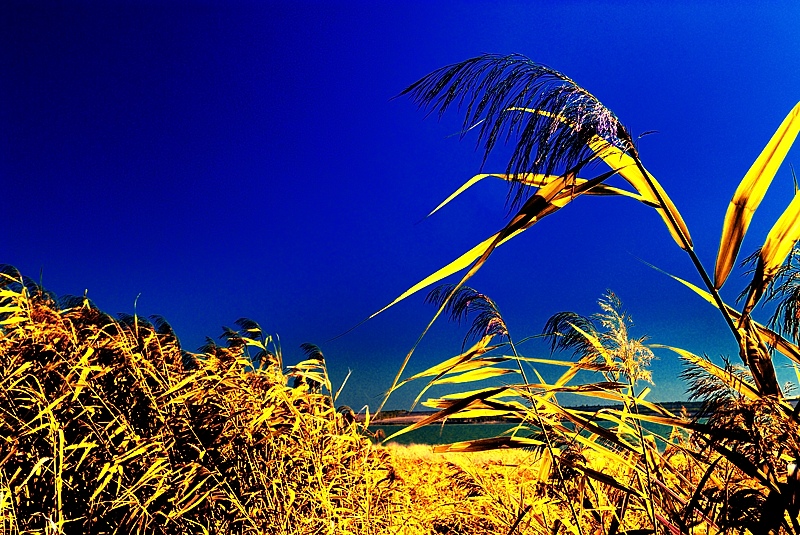
Yellow Grass

Continue reading Infra-Red Photography

Bokeh – Making the most of it!

Quite frequently photographers use shallow depth of field so as to make the main subject stand out. However many photographers forget the effects of this blurred background on the overall image. Bokeh is a fancy term that is used to indicate this out of focus area.

Rice Lights

(Decorative lights with Bokeh – captured with a 135mm lens at f/2.8, 1/160 sec)

Continue reading Bokeh – Making the most of it!

Street Photography

“There is a creative fraction of a second when you are taking a picture. Your eye must see a composition or an expression that life itself offers you, and you must know with intuition when to click the camera. That is the moment the photographer is creative. Oop! The Moment! Once you miss it, it is gone forever.” –Henri Cartier-Bresson, one of the earlier practitioners of street photography.

Continue reading Street Photography

Nikkor 200 mm f/4 AI

Nikkor 200 mm f/4 AI is a great lens in a small form factor. It is sharp and very well built lens that was introduced in 1977 when Nikon came up with the concept of AI. 200mm occupies is a sweet spot in the variety of focal lengths available. It is not too short as 105 or 135mm lenses. The close-ups of faces look more pleasing due to the change in perspective by using a 200mm lens. The lens is also not as long and heavy as 300mm Nikkors which can be quite uncomfortable for hand-held use.

Flower

(Nikon Df with Nikkor 200mm f/4 AI at f/11, 1/100 sec)

Continue reading Nikkor 200 mm f/4 AI

Lomography

Lomography is the hottest movement to hit the photography scene in the last few decades. Some call it real art and an expression of oneself. Some others consider it childish and nothing to do with photography. Opinions are divided. Lomography is interesting. It is weird. If there ever was a hippies movement in the photography then this is it. It has taken the form of a cult now. Above all, lomography can teach a lot of things.

Continue reading Lomography

Cropping Tool

Cutting the unused or extra area away from a photograph is called cropping for whatever reasons. My neighborhood barber now has ‘hair-crop’ rate list. Cropping must be a new word which incidentally I did not study in school. Anyway, coming back to photography, cropping is a really powerful tool and something which can easily add impact to your photographs. Cropping can also create drama, change your composition, add an element of surprise or it may just make the photograph look beautiful.

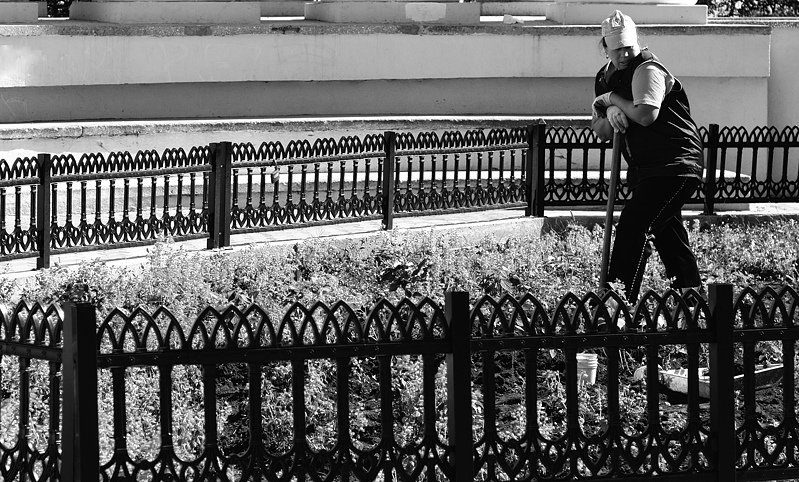
Lady Worker

(Nikon D200 with Nikkor 50mm at f/5.6 with some amount of cropping)

Continue reading Cropping Tool

Shutter – How it works

Shutter is what keeps the film or sensor hidden, and when the shutter opens, the light falls on them, creating the photograph. The time duration for which the shutter opens, to let the light in, is called the shutter speed. Shutter speed is one of the basic camera settings. Here is a short guide to understand the workings of a camera shutter and its various limitations.

Continue reading Shutter – How it works

Organize and BackUp

With the higher and higher capacity memory cards becoming available, number of photographs clicked are increasing day by day. Digital space is cheap. Photographers can now store hundreds of thousands of photographs without any problem. The trouble arises when trying to find something. Here is a small list of things to do and get your collection of photographs organized.

Continue reading Organize and BackUp

Buying a Tripod

A good sturdy tripod is probably the next best investment, after a good camera and lens. Regardless of what people might say, nothing works as well as a tripod when it is required. The lack of information and the choice of brands (including many unheard of names) becomes a nerve-wrecking experience. So much so, that after browsing the overwhelming choices available, many photographers just let it go and stick to whatever aids they had been using earlier.

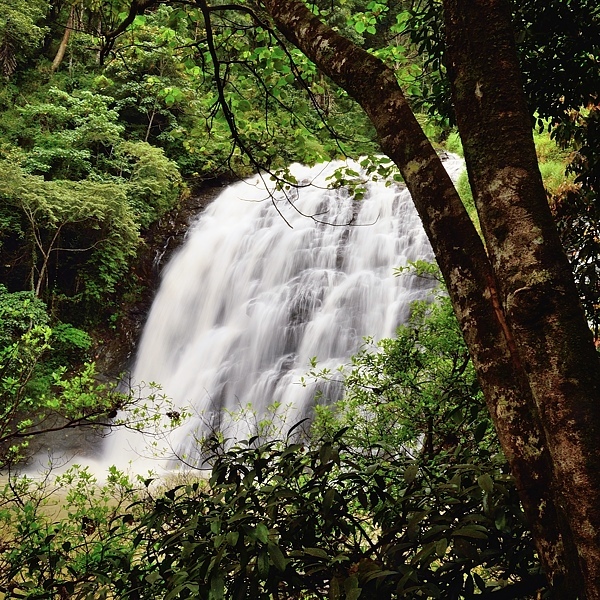
Waterfalls

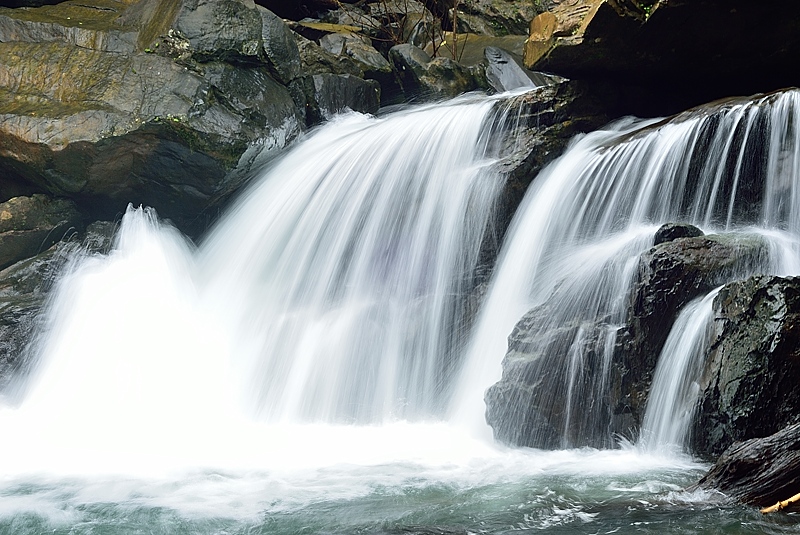
(Waterfalls – Nikon D200 with Nikkor 18-35mm, 1/8 sec)

Continue reading Buying a Tripod

Camera Shake – How to avoid it?

Unintentional blur which is caused by camera movement can take a toll on good photographs. Large amount of camera shake appears as obvious blurs or multiple overlapping images. What many photographers do not know if that small amount of camera shake can soften the image without causing any obvious blurs. Camera shake is best prevented by use of some simple techniques and precautions.

Continue reading Camera Shake – How to avoid it?

Nikon CLS and SU-800

Strobes (flashes or speedlights) can be quite confusing when multiple units are to be used. Nikon’s Creative Lighting System (CLS) is the easiest way to deal with this confusion. This is a system which does remote triggering of speedlights, high speed sync, flash color correction, and advanced i-TTL fill flash…. everything wirelessly. Nikon launched the Nikon SU-800 as a control unit for its CLS system. The communication happens over infra-red. Over the last many years, this commander unit has remained unchanged and now there are third party options available that also work with the CLS. Recently I was in the market searching for a commander unit to control my speedlights remotely. This article is a summary of what I learnt and a short review of the Nikon SU-800, that I finally bought.

su-800

Continue reading Nikon CLS and SU-800

Low and High Key

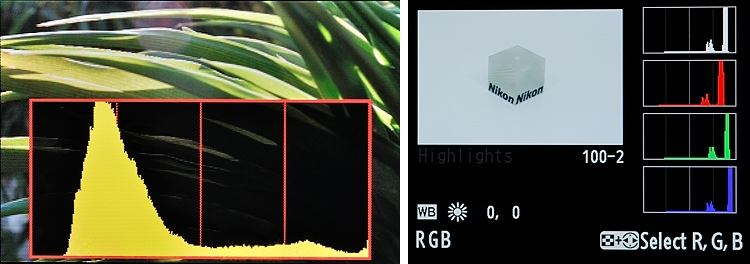
With the ease that comes with various sliders to control exposure and saturation, almost every photograph that goes through processing comes out making full use of the available range. Histograms are spread all across the values and the Curves tool users now make sure to use each and every value that can be employed for displaying the pictures. The pictures look good, full-bodied, rich in tones and colors but they sometimes lack the emotional impact. The art of creating low and high key images is getting lost.

Continue reading Low and High Key

Neutral Density Filters

There was a time when the film was not too sensitive to light and manufacturers were trying their best to boost up the sensitivity. These low sensitivity films required long exposure times and huge amount of light. No wonder that the old portraits had all serious looking people. Imagine being made to stand for many minutes in one pose and sometimes under bright uncomfortable lights! With the advancement of film sensitivity rose another requirement. There were times when the overall light entry had to be reduced without increasing the shutter speed or constricting the aperture too much. This is when the dark filters stepped in.

Waterfalls CloseUp

(Waterfalls – Nikon D200 with Nikkor 50mm, 1/4 sec with ND filter)

Continue reading Neutral Density Filters

Evolution of Nikkors (Nomenclature)

When the auto-focus was starting to make its mark, Nikon took a firm stand and did not alter its mount unlike some of its competitors. This has been a big help for Nikon users till date but is also a big cause of confusion. All of the different lens types which are available now and abbreviations being used might be overwhelming for a user. First and foremost, most of the Nikon lenses are called Nikkors. There are also some lenses which are called Nikon itself. The names are frequently interchanged by users. No confusion there. Both Nikkors and Nikon lenses are made by Nikon (except for few occasional outsourced versions like the 35-70 kit lens of Nikon FM10). Some diehard Nikon fans wince at the mix-up of the names but the fact remains.

Nikkor Lenses

Continue reading Evolution of Nikkors (Nomenclature)

Selling at Shutterstock

Why not make some money while enjoying the wonders of photography? With this thought in my mind, I have explored various stock image sites and sold some photographs too. Here is a list of pointers to improve your sales if you are thinking of selling at these stock-images sites.

Hills

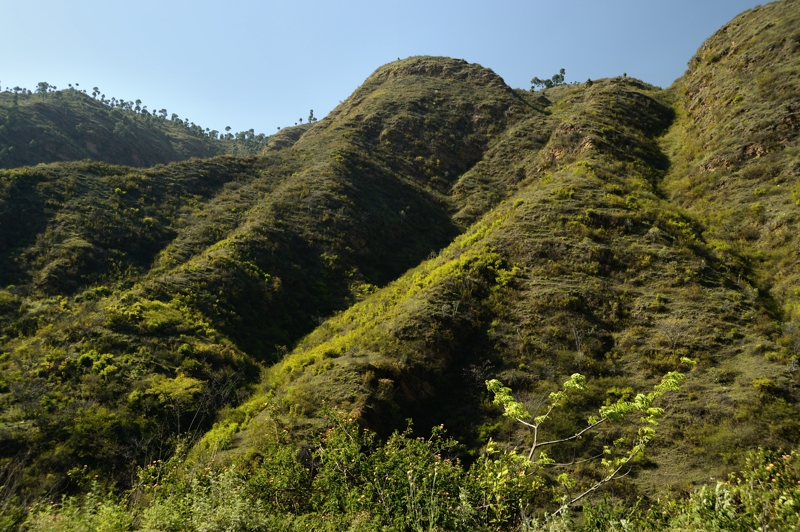
(A photograph of hills. This image has been selling quite frequently on Shutterstock for reasons unknown to me. Nikon Df with Nikkor 18-35mm lens)

Continue reading Selling at Shutterstock

Fibonacci Spiral and Photography

Leonardo Bonacci (Fibonacci) was an Italian mathematician, sometime in the middle ages. He is best known for his sequence of numbers called Fibonacci Sequence. This is a series of numbers where each consecutive number is a sum of the prior two numbers (1,1,2,3,5,8,13,21,34,55….. and so on). Though these numbers had been known to Indian mathematicians many centuries earlier, they were introduced to Europe by Fibonacci and caught the media attention some years back with the publication of Dan Brown’s novel, The Da Vinci Code. Painters have long used this sequence knowingly or unknowingly to create beautiful artworks and now photographers over the past few decades are understanding to use it.

Continue reading Fibonacci Spiral and Photography

Batteries

Batteries come in all shapes and sizes and work on different principles of chemistry. The common batteries used in cameras and speedlights are AA in size though the smaller version called AAA is also becoming quite popular. I will restrict my discussion on these batteries since this is where we are faced with choices. The odd shaped batteries that come in DSLRs and some other cameras are made as per camera specifications and we really don’t have much choice there. I do not recommend using cheap third party batteries after having invested a huge amount in your camera.

Continue reading Batteries

Staying Focused

Nothing spoils a photograph more than a wrongly focused subject. The camera systems are now very advanced when it comes to focusing correctly. The AF sensors are super-sensitive and can work in dim light, low contrast and even through linear polarizers. Understanding how the focus systems work and their limitations can go a long way in getting good images.

Continue reading Staying Focused

Curves Tool at your service

“The Curves tool is the most sophisticated tool for changing the color, brightness, contrast or transparency of the active layer or a selection. While the Levels tool allows you to work on Shadows and Highlights, the Curves tool allows you to work on any tonal range.” This is the explanation given by GIMP and it says how powerful the Curves tool really is. It looks intimidating and so most photographers do not touch it but when used properly it is the single most useful tool.

Continue reading Curves Tool at your service

Panning

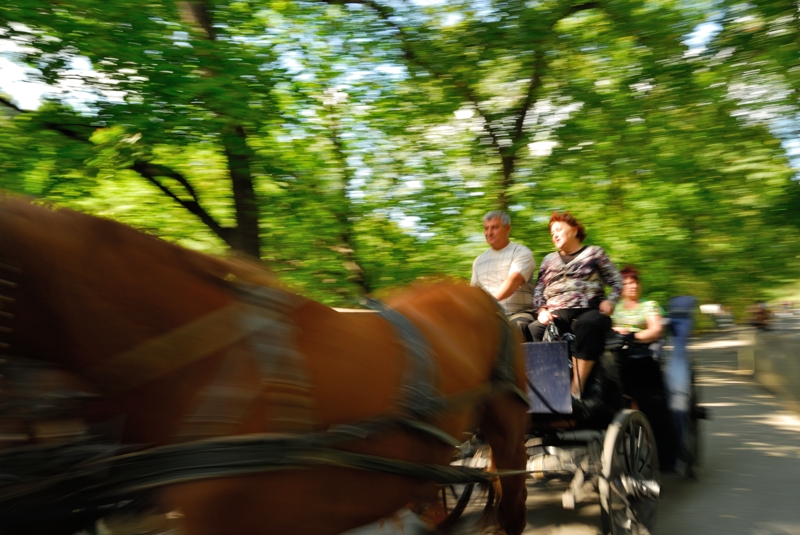
One of the easy techniques to master and yet panning is rarely used by even the accomplished photographers. Panning when used properly can show motion in a very convincing way. Simply put, it is tracking the movement of a moving subject with the camera and capturing the moment. The result – a sharp subject and a blurred background with streaks showing movement.

Carriage

(Horse driven carriage speeding by – Nikon D200 with Nikkor 18-35mm lens, f/8, 1/10 sec)

Continue reading Panning

Photowalks

Every photographer has a unique perspective. Appreciating these differences in visualization, composition, and skills, while spending time with like-minded individuals, can greatly enhance one’s abilities. These short trips are now commonly referred to as “photowalks.” Personally, I still call them short photography trips with friends.

Dry Branches

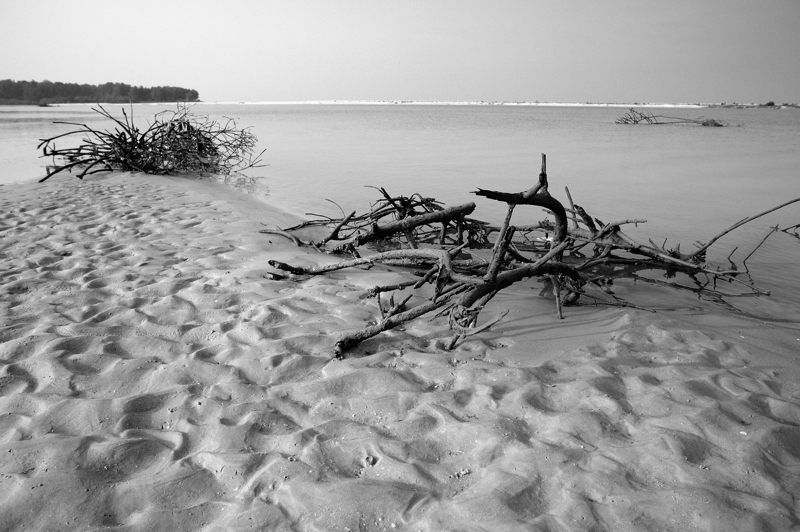
(Dry branches at low tide – clicked on a photography trip with few of my friends. Nikon Df with Zeiss 25mm lens)

Continue reading Photowalks

Traveling with Photography Equipment

Vacations are always fun, especially when they follow a long stretch of daily work grind. For me, vacations are a perfect opportunity to indulge in photography. However, traveling with photography equipment can be challenging. Each airline has its own rules, and crossing international borders involves additional regulations. On top of that, ensuring the security of valuable photography gear can be stressful. Here is a small list of things to consider when planning your next holiday trip.


Clouds

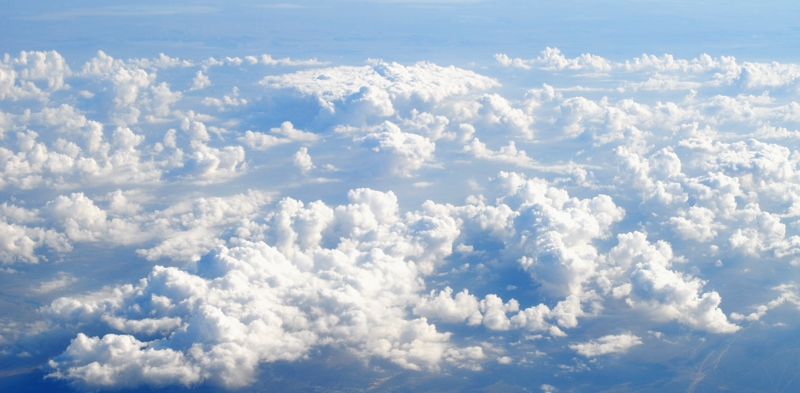
(Clouds – Nikon D200 with Nikkor 50mm, f/8, 1/250 sec, ISO – 100. Clicked this photograph on a flight. The in-flight movies never interest me.)

Continue reading Traveling with Photography Equipment

Flash and Tripod – Not allowed !

Every time I visit a museum, old heritage buildings or even religious structures, I am faced by signs saying ‘no flash and no tripods’. Quite a few places completely prohibit photography. I’ll talk about museums here but the same is applicable to all the other places too. The first question that comes to the mind is why the flashes and tripods are not allowed. Are monopods allowed? Can continuous light sources be used? Why is photography itself prohibited at many places?

Continue reading Flash and Tripod – Not allowed !

Flash Modes

One of the first flashes that I owned was a Vivitar 283 flash. It was a manual flash with an ‘Auto-thyristor’. I could set the flash intensity manually or automatically based on aperture and subject distance. I learnt about guide-numbers, filter factors and a lot of interesting stuff while using it. I do miss the good old days.

Now I have speedlights that have complicated menus and functions which I set and forget. Some of them I don’t even use. My favorite speedlight now is Nikon SB600 for reasons of my own. I also have some camera bodies which have built in flash. (I use the words ‘flash’ or ‘speedlight’ to indicate the strobes found in the camera as well as sold separately). In this article I will try to give a basic explanation of various flash modes available on the camera (directly or through the menu) as well as some of the modes or features available on speedlights. I am leaving out the usage guidelines of manual modes since most manual flashes from yesteryear can cause harm to the present-day electronics.

Continue reading Flash Modes

Metering Modes

”Embrace light. Admire it. Love it. But above all, know light. Know it for all you are worth, and you will know the key to photography.” – George Eastman.

Getting an accurate measure of light was a tough task in the initial days of photography. Photographers tried various methods. When everything failed, the concept of ‘bracketing the shots for exposure’ was born. For getting that perfect exposure, it is important to understand how the light meters work.

Continue reading Metering Modes

Balancing Act (in Color)

White is white. Or is it? We see a white-colored shirt as white when the person wearing it stands under the sun or in the shade or even inside the house. We see it as a white shirt regardless of the weather outside or the time of the day. Our eyes are wonderful. They adapt to ambient light colors. When it comes to photography, it takes a whole new dimension. The same white shirt looks bluish, in cloudy weather or in shade. It looks yellow-orange when photographed inside the house when the room is lit by bulbs. The camera sensor or the film can not adjust automatically to the color change. The auto ambient light adjustment happens in the post-processing stage even if you select it in the camera. (The post-processing then takes place in the camera)

There are some terms and fundamentals that have to be understood first before going any further.

Color Temperature –
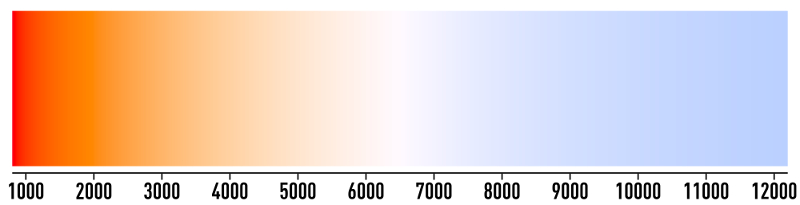
It has been described most simply as a method of describing the color characteristics of light, usually either warm (yellowish) or cool (bluish), and measuring it in degrees of Kelvin (°K). Color temperatures over 5000 K are called cool colors (bluish white), while lower color temperatures (2700 K – 3000 K) are called warm colors.

Kelvins

Continue reading Balancing Act (in Color)

Camouflage

Camouflage or the art of blending into the surroundings is commonly used by soldiers. Photographers too have adopted this. Now I see camouflage costumes, covers for tripods and lenses, backpacks and camera-bags, tents, water-bottles, flash-lights and what not.

Why soldiers use camouflage? Our eyes see colors in the day-light and our subconscious ignores anything that does not stand out. Person covered in green and yellow camouflaged costume is therefore difficult to notice in a forest compared to another person dressed in red. The one in red will stand out (to some extent due to the effects of color theory too on our minds). The soldiers in their camo-dresses, can therefore remain hidden from other soldiers.

Continue reading Camouflage

Next lens to buy?

Another common question that many photographers ask is which lens to buy next. The fact that the camera has an option to change lenses makes people feel that more lenses are required. The internet generation calls this disease as ‘GAS’ or ‘Gear Acquisition Syndrome’. Everyone suffers from it one time or the other. However there are times when there is a genuine need to buy a new lens.

Continue reading Next lens to buy?

Red Filters (and other coloured filters)

The other day I wrote about Black and White photography and the very next day, I got an email about the red filters. It seems that they are some of the least understood filters nowadays. Instagram users apply various filters, including red colored, at times to improve their selfies (a term which I fail to understand). Here in the article, I am talking about the true red glass that fits over the lens. They are also denoted by the Wratten numbers from 23A to 29.

What are these red filters and how are they used? First, let me clarify a few things. Instead of calling them red filters, they should ideally be called blue/green-inhibiting or blue/green-subtraction filter. That is exactly what they do.

Continue reading Red Filters (and other coloured filters)

Black & White

Black and White photographs have a magical quality to them. I find them pleasing to look at. So, what exactly makes them look good? A philosophical question – Would Ansel Adams have used Black and White film for his landscapes if good quality color film would have been available since the beginning? How about Henri Cartier Bresson using color films on his Leica? Paul Simon sang about how Kodachrome gives us those nice bright colors (and also further in the song- Everything looks worse in Black and White).

Continue reading Black & White

Who is a Photographer?

Recently I came across some really old photographers who were cribbing about the surge of digital cameras, mobile phone cameras and so on. In their opinion this had really brought down the overall quality of photographs created. They were not ‘real’ photographers in their opinion. I agree to some extent. There are lots and lots of people with easy access to good cameras, but this is not a bad thing. Large amount of sales translates to good profit for the camera companies and in turn this leads to reduction in prices of otherwise expensive pieces of equipment. More sales also lead to investments in research and development and therefore progress in technology. The bad thing is that when these buyers of photography equipment do not want to learn to use their new acquisitions and churn out hoards of average looking snapshots. Snapshots, which could have been better with just a little bit of awareness. Another sad thing is when these camera users or mobile phone users try to capture images of people without any kind of permission or create disturbance or even nuisance while doing so.

Continue reading Who is a Photographer?

Camera modes (PSAM and more)

Camera mode dial is something which really gets on photographers’ nerves. Every photographer has camera modes which are never used. This relates to style of shooting but more so with the comfort level in using these various modes. One of the first things to becoming a good photographer is to become comfortable with the camera. I thought I’ll write a small description of these various camera modes for clarity’s sake. I started of with cameras having manual mode and I still find Aperture Priority and Shutter Priority a luxury which I often use. The description may therefore be a little biased from my point of view.

Continue reading Camera modes (PSAM and more)

Remove Noise

When it comes to post-processing, there are options to remove noise as well as to add noise. This is yet another contradiction that every photographer faces once in a while.

Noise in photography refers to the small specks which become visible at high ISOs. Sometimes noise can also refer to areas of discoloration. In the film days, the higher ISO films had ‘grain’. Noise is unwanted but grains can add character to the photograph. This statement should clear all the doubts. Read it again if you want to. Unfortunately a lot of image editing programs call this ‘grain’ also noise and thus the confusion.

Continue reading Remove Noise

Normal Lens

The normal lens or the standard lens was the most common kit lens with almost any camera before quality zooms and crop sensor digital cameras came into the scene. So what exactly is a normal lens? Leica came up with this concept and termed the lens that makes everything look like how our eyes see as ‘normal’ and provided 50mm lens for this purpose. Normal lens is a lens that represents the relative distances between the objects in a same manner as we perceive. The perspective is almost similar. The angle of view covered is also almost equal to the area our eyes consciously see (The area of conscious vision is actually much less than the angle of view that our eyes are actually capable of seeing. For a comparison of our eyes and camera – Our Eyes vs Camera). Normal lenses are prime lenses in the region of 40 to 58 mm focal length with the 50mm being the most common, on a 35mm frame size or a ‘full size’ sensor. Some manufacturers also called them standard since these were the commonest lenses once upon a time and were quite frequently the standard kit lens provided with camera bodies.

Normal Lenses

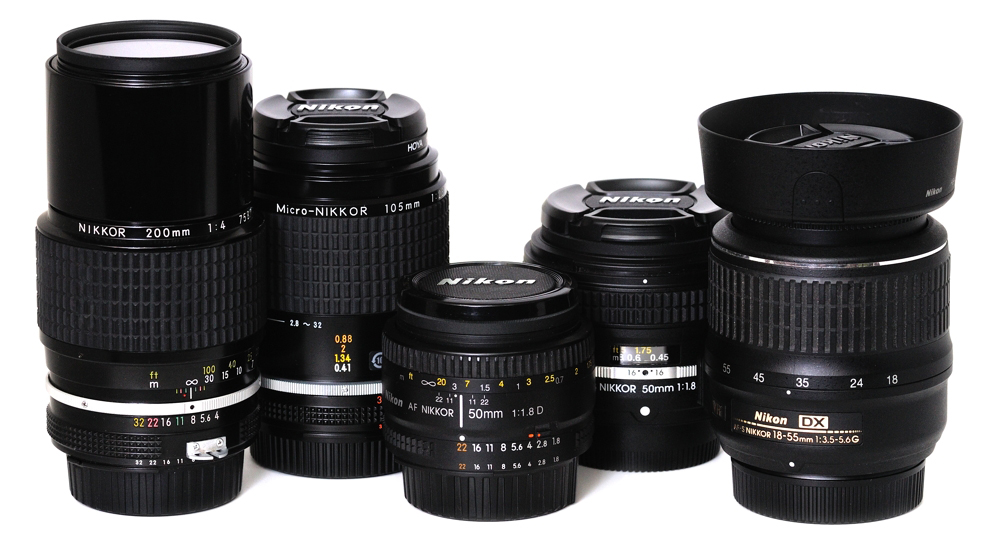
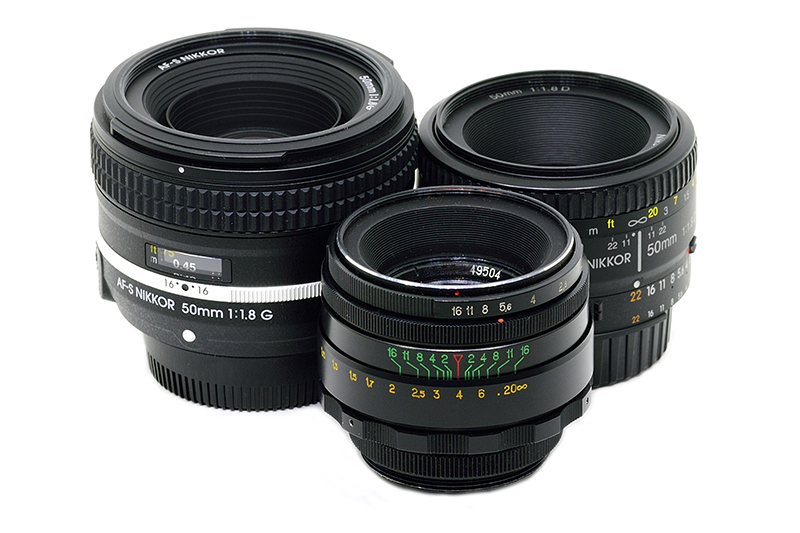
(Some normal lenses)

Continue reading Normal Lens

Composition Rules – Interpreting Images

If you have already read my two other posts related to commonly used clichés in compositions, then try to interpret some of the images below. I have also given an explanation why the photograph appears strong but read that after you have formed your own opinion about which common composition rules or clichés are in play. Remember your own opinion is more important that these so called rules, which quite frequently I despise of.


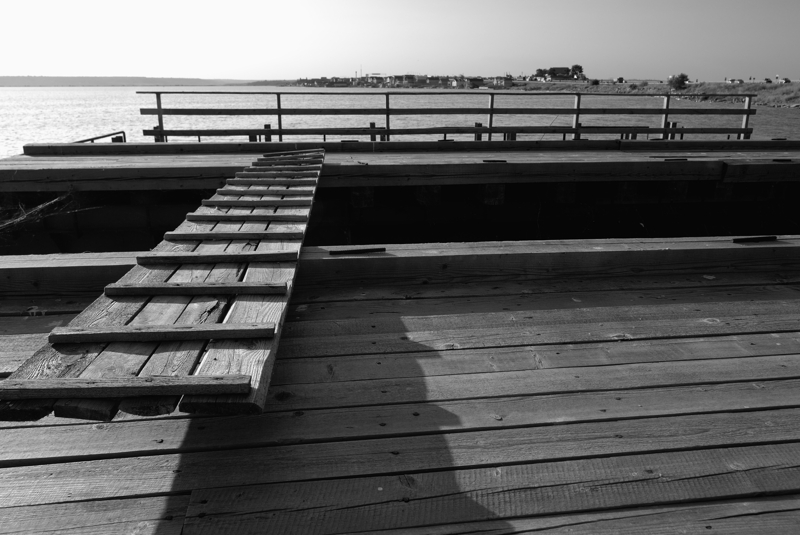
Planks

Planks

(Nikon D200 with Nikkor 18-35mm at 18mm, f/8, 1/90 sec, ISO 100)

Continue reading Composition Rules – Interpreting Images

Composition Rules – Part II

This article is in continuation with Composition Rules – Part I and covers some more rules of compositions.

Human Element

Humans in general love company. It is once again the evolutionary aspect in play. Since ages, people have lived in groups, hunted in groups and even fought wars in groups. Our subconscious finds comfort when other humans are around. It is therefore natural that presence of humans adds an interesting element to most photographs. Though not all genres of photography blend well with human element. Sometimes they can also be a distraction. Very careful use of human element can add drama to otherwise mundane photographs.

Tea Plantations

(Tea plantation with workers picking tea leaves at a distance)

Continue reading Composition Rules – Part II

Composition Rules – Part I

Composition Rules or Clichés, as I like to call them, have been used by artists since long and for the last many decades, photographers have also started using them to their advantage, calling them the ‘rules of composition’. These play on the creative side of our brain and guide our subconscious mind across a photograph. Some of these are highly debated ones. Proceed at your own risk. Risk of loosing your own way of looking at things!

Leading Lines

Some objects that have a a difference in color, contrast or texture, tend to associate with one another. When seen from far or from periphery of our vision, they form structures or lines. Sometimes there may be shapes in an image that are actually lines. These lines tend to lead a viewer’s eyes from one point to another. Culture and education also modifies this to an extent. Leading lines is one of the commonly used clichés that almost always works.

Boat

Continue reading Composition Rules – Part I

Post Processing RAW

Work done in darkrooms was an important step in creating beautiful images. Now it has been replaced by computers. Post-processing is vital. In layman terms, processing of data (photograph) captured on camera is required for the image to be seen as per the settings. This can happen in the camera, when it is called in-camera processing or the raw data can be processed at a later stage on computer, this is called post-processing.

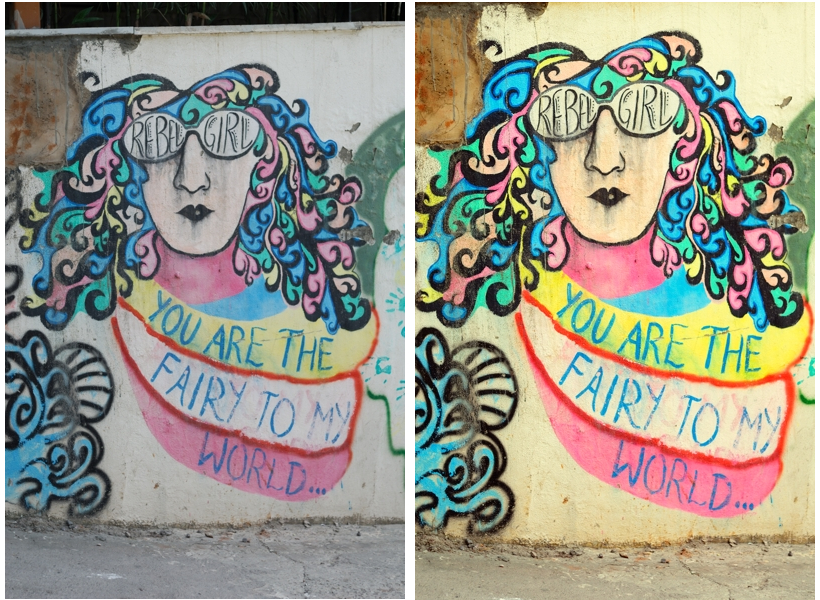
Out of the camera image and post processed RAW

(Out of the camera jpg on the left and on the right, jpg which was post-processed from raw)

Continue reading Post Processing RAW

Polarizing Filters

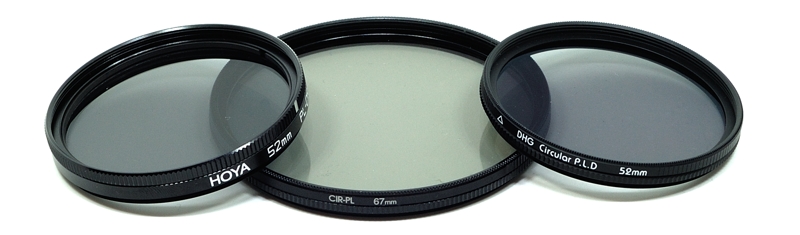
Polarizing Filters or simply Polarizers were second most used filters in the film era, first being the UV filters. Polarizers work on the principle of letting only one plane of light waves to pass through. Remaining planes of light waves are blocked. Earlier polarizers had a single polarizing layer. Then came the autofocus cameras. There were times when the angle of polarized light being let into the lens would not coincide with the autofocus sensors and autofocus used to fail. Circular polarizers were introduced. These had another plate after the polarizing layer to rotate the light. This reduced the problems with the auto-focus systems. Due to their construction method, the circular polarizers show the polarizing effect only when seen from ‘thread side’. When seen from the ‘groove side’ polarizing effect is not seen, instead just a color shift is visible.

Polarizers

(Polarizers in different sizes and thicknesses)

Continue reading Polarizing Filters

Do I use Tripods?

Tripods have been the most used photography accessory since the time photography came into this world. Old films of ISOs less than 100 demanded a very slow shutter speeds. Did you know that when the first (original) Kodachrome was launched, it had an ISO equivalent of 6 ? By early 1960s were they able to cross ISO of 25 ! Tripods were a must for good natural light exposure then.

Now we have super sensitive sensors with excellent noise reduction, lenses that in more and more light and mechanisms to take away some level of camera shake while shooting hand-held. Are tripods needed now a days? Do I use tripods?
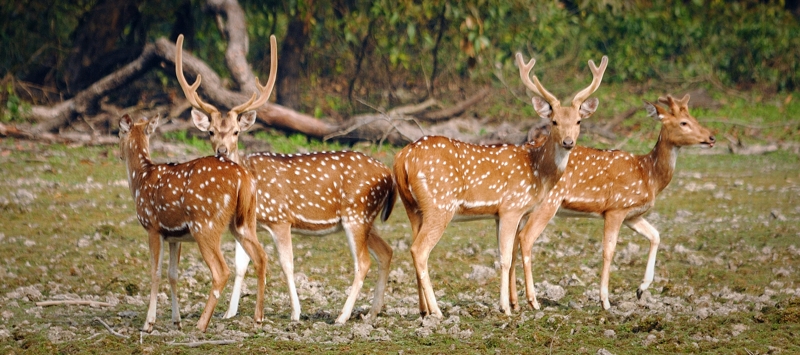
Spotted Deers

(Nikon D200, Sigma 150-500 at 450mm, f/9, 1/160, ISO 200, handheld with image stabilization switched on. It was tough holding the heavy lens mounted on the camera but it gave me freedom to track the deers as they walked around.)

Continue reading Do I use Tripods?

Cleaning DSLR and Lens

The worst fate that a photography equipment can have is to remain packed and kept on a shelf in someone’s home. I have seen some of the best photography equipment available, not being used by their owners. It pains me to see all that beautiful equipment not being used. Recently I gathered the courage to ask a friend of mine about his beautiful digital Leica kept in a glass shelf. The answer I got- “It is too dirty outside in the city to risk carrying it around. I use the camera on family holidays when we go to some nice clean countryside. I however did not take it on my last holiday since that was in a beach resort with lots of sand and wind.” A few other photographers also have similar thoughts. For most people, their photography equipment is an expensive purchase and they do not want it to get dirty.

Continue reading Cleaning DSLR and Lens