
For the past few days, snow has been falling steadily outside, keeping me indoors with little to occupy my time. Downstairs, a crackling fire attempts to ward off the chill, but its warmth feels insufficient. Wrapped in a cozy blanket, I clutch a steaming cup of hot chocolate, while my feet rest on a comforting hot water bottle. Despite these comforts, my fingers still feel the cold as I type. It’s unmistakably the heart of winter here.
Continue reading Winter WonderlandCapturing Emotions – Sadness & Despair
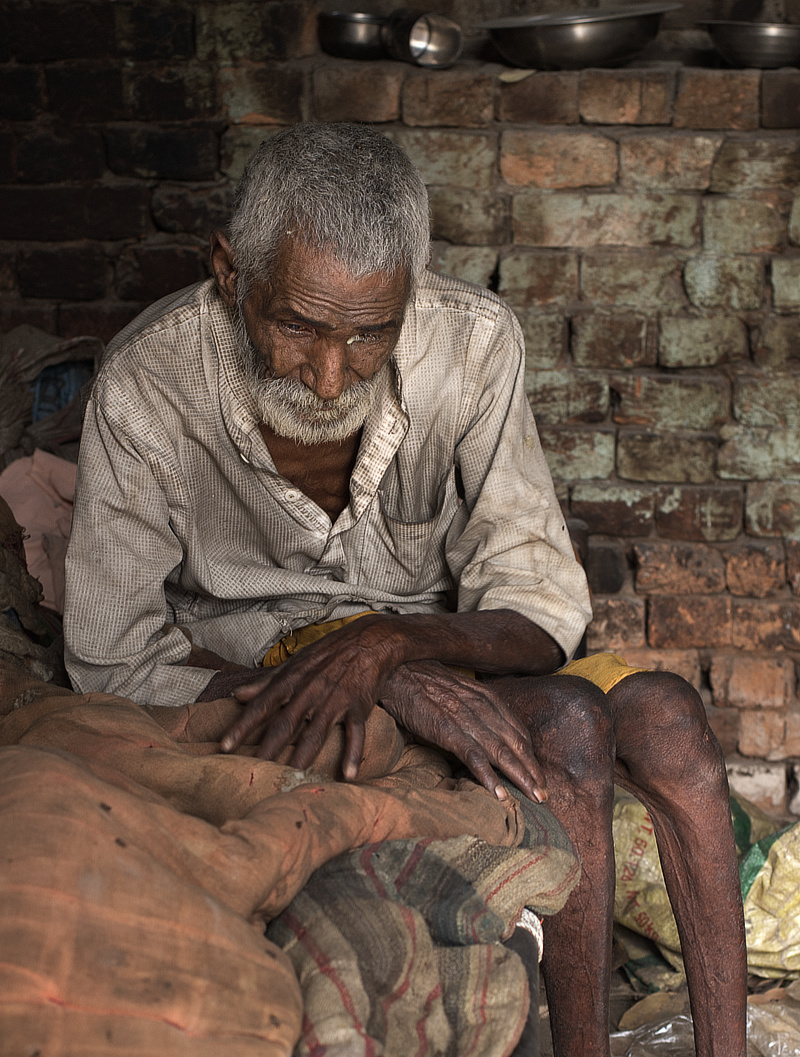
On a recent photography assignment, I was capturing numerous smiling faces and street portraits. Later in the evening, while discussing my work with a friend, he suggested that since I was already photographing on the streets, I should also capture moments of sadness and despair. So, here are a few photographs that attempt to convey those emotions. I’ll also try to analyze each photograph to explain why it evokes such feelings.
Aiming for the Milky Way
I’ve been taking a lot of nightscapes and star trails lately. Just a few days ago, I saw a photograph of the Milky Way shared in a WhatsApp group. More than the photograph itself, what intrigued me was the statement from the photographer, who mentioned spending many months, possibly years, and countless failed attempts to capture that perfect shot. While the photograph was impressive, the statement felt like something out of a reality show, aiming to tug at the emotional chords of some gullible readers. I thought, why not try capturing some Milky Way shots myself the next time I’m out photographing star trails? They are not difficult. The pictures here are from an inexpensive camera and done up in a hurry.
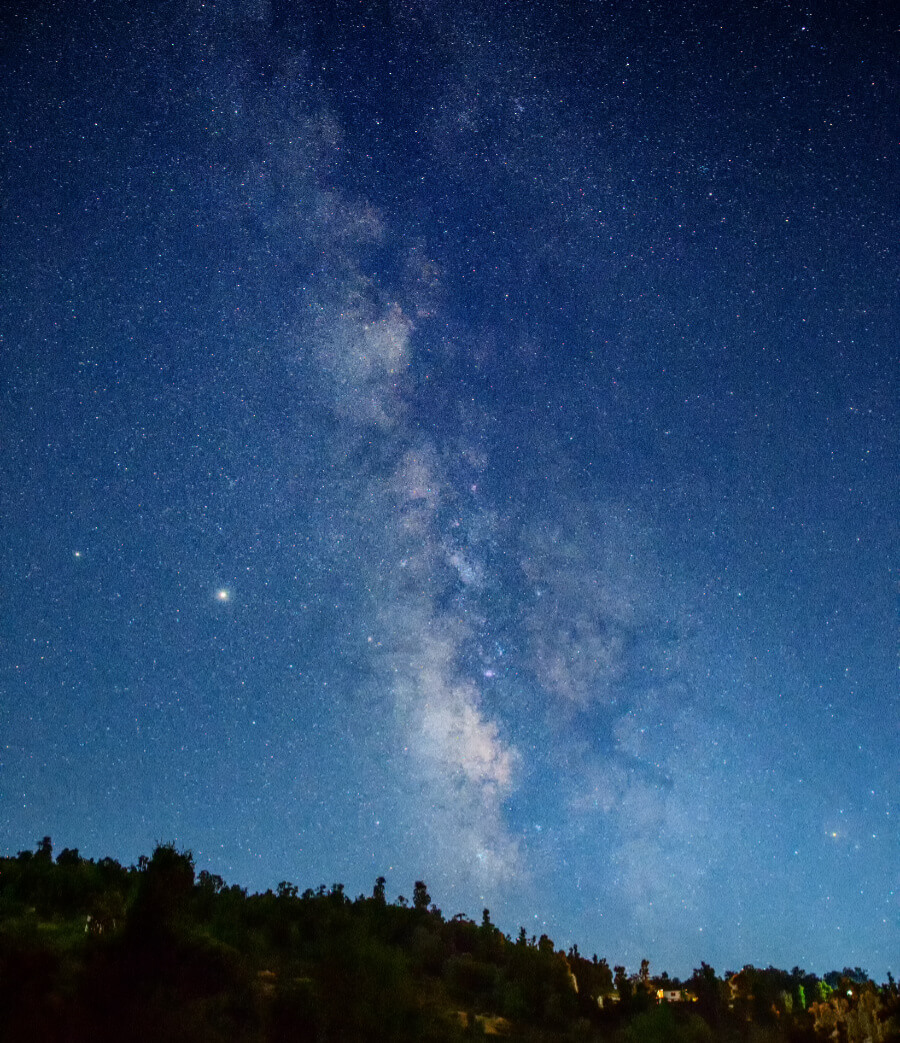
(The faint colors in Nebulae can be seen even in simple Milky-Way snapshots. Someday, I’ll get myself a powerful telescope to enjoy all these)
Continue reading Aiming for the Milky WayApple Pie – Improving Composition
Just a few days ago, I was treated to a delicious apple pie baked by my better half. However, as is the trend nowadays, I had to photograph it before I could take a bite. Here’s how the photograph came about: it was captured to share on Instagram and promote our homestay.

Capturing Starry Skies
Lockdowns have cleared the atmosphere a lot. Even in cities, now, the night skies can be seen dotted with stars. Earlier, I had written about creating star-trails. Here, I will write about how to photograph starry skies (and not create star-trails).

(Starry Sky – Photographed using a 25mm lens. The photographs in this article have been processed to appear realistic. They look better on large screen displays than on mobile phones.)
Panoramas, Snow & Coffee
While planning to write a better title, I thought and thought, but then I just wrote down the three words that came to my mind. Why waste time on a title when I have so much more to say? This article is just about these three words and how I got around to creating some panoramas.
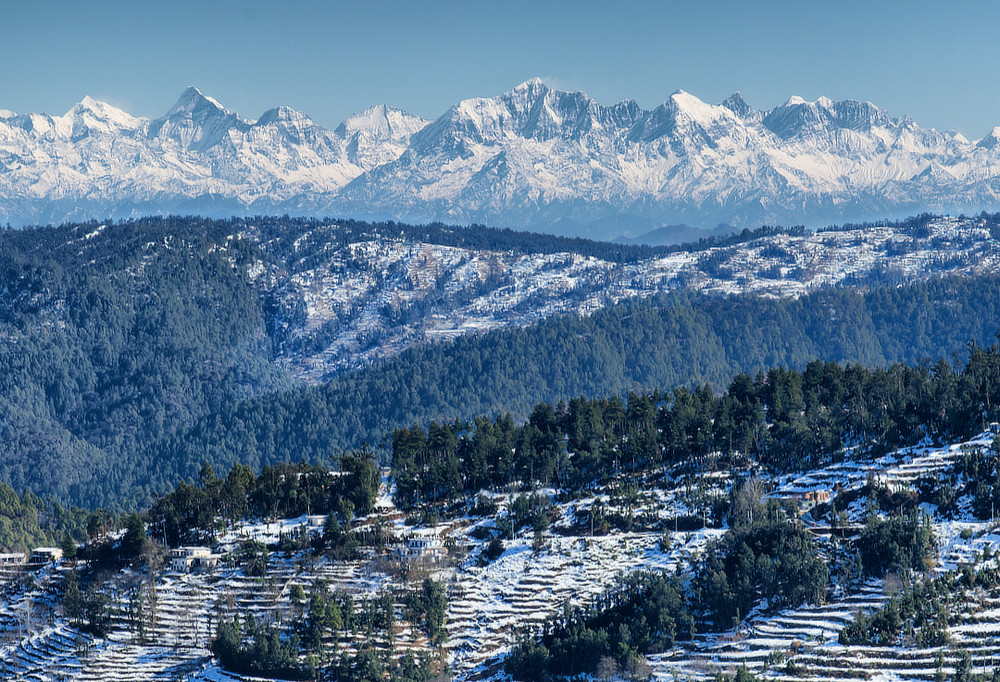
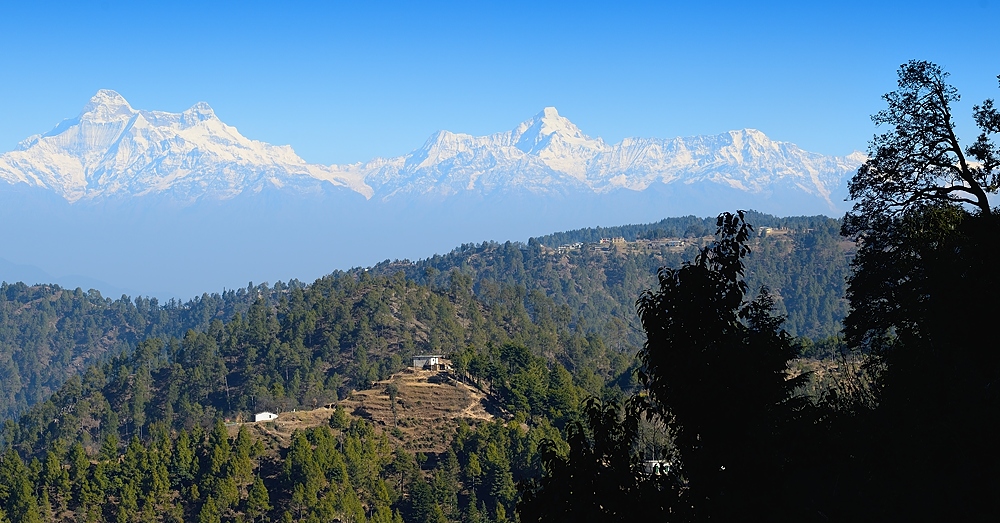
(Himalayan peaks after snow-fall – captured just a few days earlier)
Common Composition Mistakes – Avoid These!
Today, as the rain pours outside, I’m lounging at home, reflecting on some of the recent photographs I’ve seen. A few common mistakes in composition come to mind. Are you making any of these errors? If so, they might be holding your images back from reaching their full potential. Discover these mistakes and learn how to avoid them in your future compositions.
Moving in a herd?
Follow the Leader was a game I often played as a child. The goal was simple: follow the chosen leader. If I didn’t, I’d be out of the game. Quite frequently, I was left standing while the other kids went on playing. Now that I have grown up, I still fail to follow the leader.

Continue reading Moving in a herd?
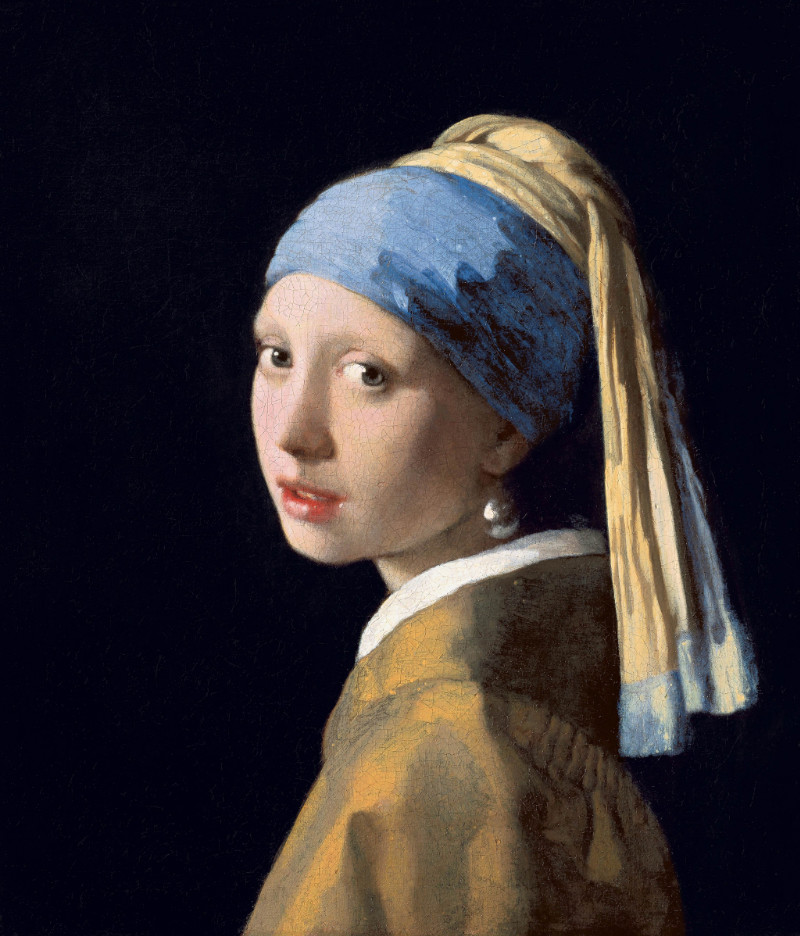
Learning from Johannes Vermeer
Johannes Vermeer was a Dutch painter known for his limited but exquisite body of work. Despite painting only a few pieces and never traveling far from home, he remained relatively obscure until some prominent figures recognized his talent. For photographers, Vermeer’s paintings serve as both inspiration and a valuable source of learning.
Minimalism in Photography
KISS… Keep It Simple, Stupid!
A girl-friend had once told this to me. Quite a famous line and I don’t even know where it originated initially. Little did I know that after so many years, this will become the opening line of this article.
Keeping compositions simple is one of the most effective ways to make them powerful. A strong composition that is easy to understand and conveys its message clearly is the best gift you can offer your viewer. This embodies the essence of minimalism in photography.
Star Trails
A few weeks ago, a friend and I spent a few relaxing days at our homestay. We planned on some night photography on one of the evenings. It was a cool, moonless night, perfect for capturing some night shots of the cottages. We switched on all the lights and set up at the far end of the driveway. With the tripod in place, camera settings dialed in, and exposure checked, we began shooting the scene.
Continue reading Star TrailsCritique… Improve… Critique… Improve…
A motivational speaker and a friend of mine once told me, “feedback is the breakfast of champions”. This is especially true when it comes to learning photography. It sounds obvious but very few of the photographers actually make use of it. If you are a photographer trying to improve your skills, do try to get some artists and photographers to critique your work.


Birding & Bird Photography
Lately, whenever I check out any photography groups, I always end up seeing many bird photographs. With the easy availability of cost-effective and sharp long-teles, this is now within reach of many. Everyone who had a passion for bird photography is now able to indulge in that. Get an advanced camera, mount a telephoto lens, switch to auto and start clicking! That’s what most photographers clicking birds do. Sounds easy, does it not?

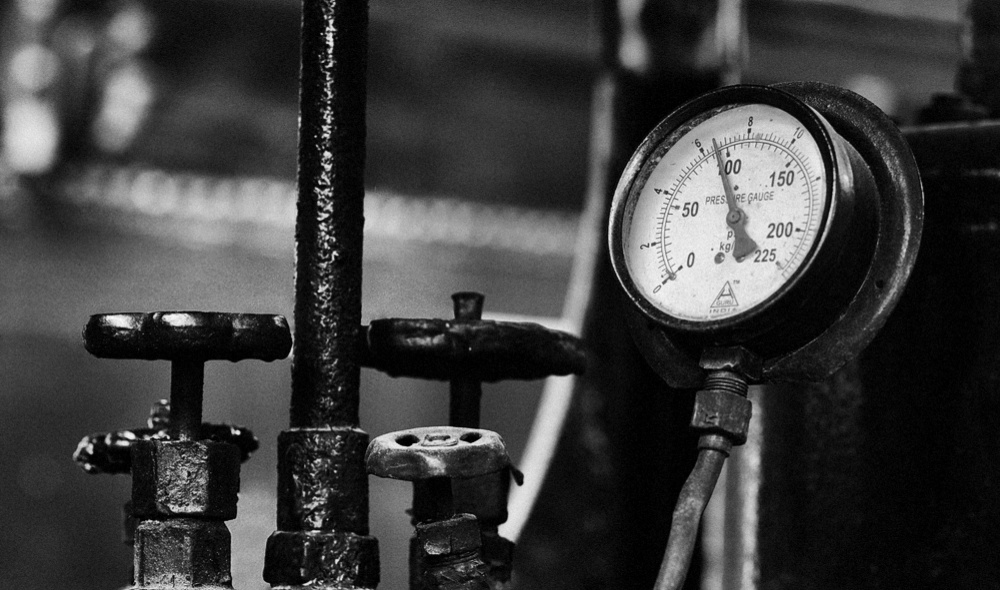
Balancing Elements – A Study of Locomotive Parts
Do you recall the sketches from your childhood? Recently, my parents shared with me some of the sketches that I had drawn as a kid. The most common sketch was a landscape done with crayons. It seems I was quite fond of it. There was a row of mountains, a river flowing down from the mountains dividing the foreground into two parts. One of these had a simple house and the other part had a tree growing. Behind the hills, on one side was the sun and on the other side were birds flying. I am sure many of you created similar sketches. Now even my daughter creates similar sketches.
Following up on those days, this is how I have started to balance out my compositions. Now I am learning to let the creative side of my mind, loose. The results seem more pleasing to me now.
Continue reading Balancing Elements – A Study of Locomotive Parts
Farmer’s Despair – Improving Composition
On one morning, I ventured out with a couple of my friends. Aim was to photograph some of the rural India. It was a photowalk combined with some quality time with friends. Little did I know that this would let me understand the pains of farmers and help me in my photography-journey.
Capturing Emotions – Fear
Some of the photographers asked me about some tips and tricks to capture various emotions. How can they express themselves? What does it mean when mentors say that you should use your photography as a medium to express your own feelings?
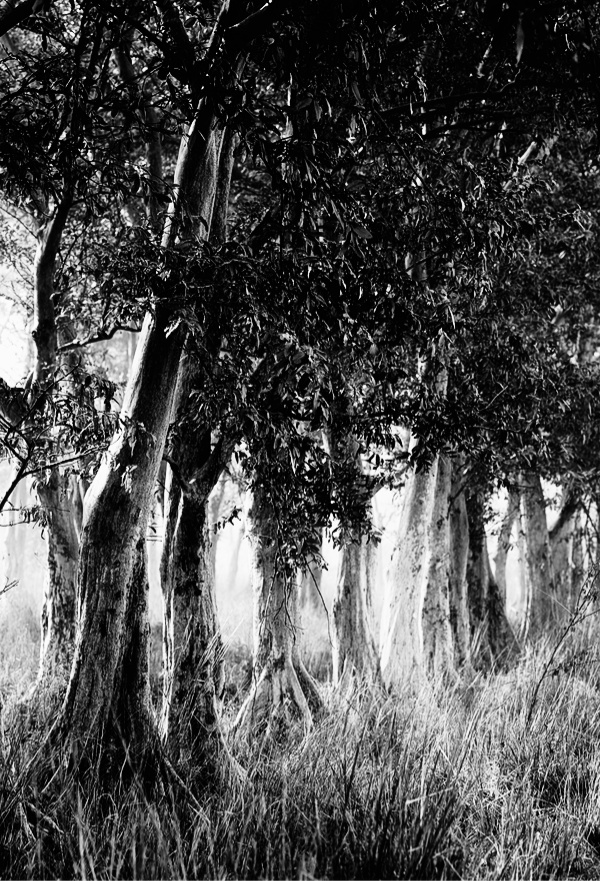
(Row of trees – the overgrown forest gives an eerie feeling)
Using Partial Dynamic Range
From Ansel Adam’s Zone System to today’s digital algorithms that make the best use of available dynamic range, is there a place for using a limited dynamic range? Using a part of available dynamic range can provide wonderful artistic images. These can be poetic, melancholic, dreamlike, dramatic or even surreal.
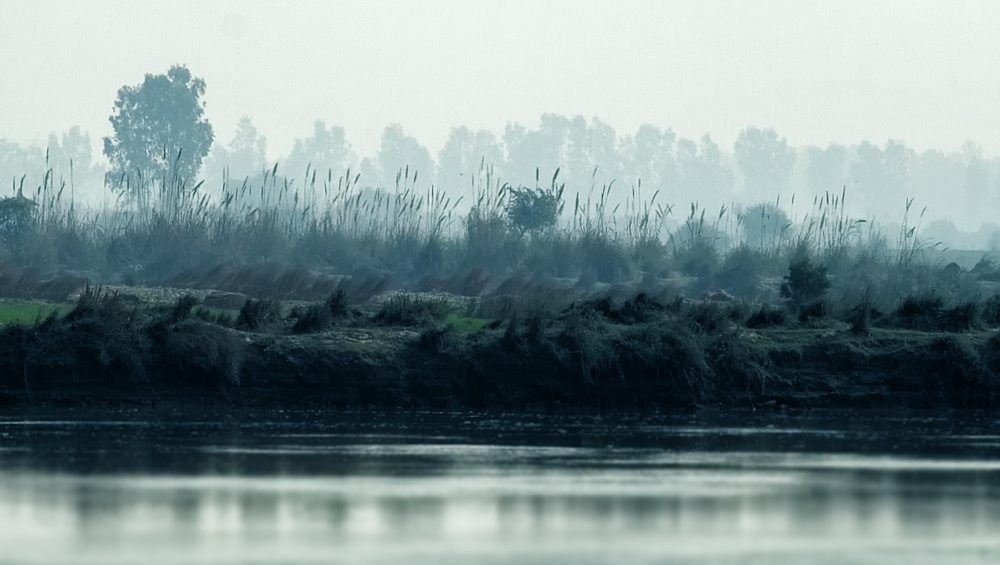
5 Common Technical Mistakes
Everyone makes mistakes. I make them too. Even the most advanced of photographers make mistakes. The mistakes are usually due to an oversight and sometimes due to tiredness. So, here is a list of common technical mistakes and how to avoid them.
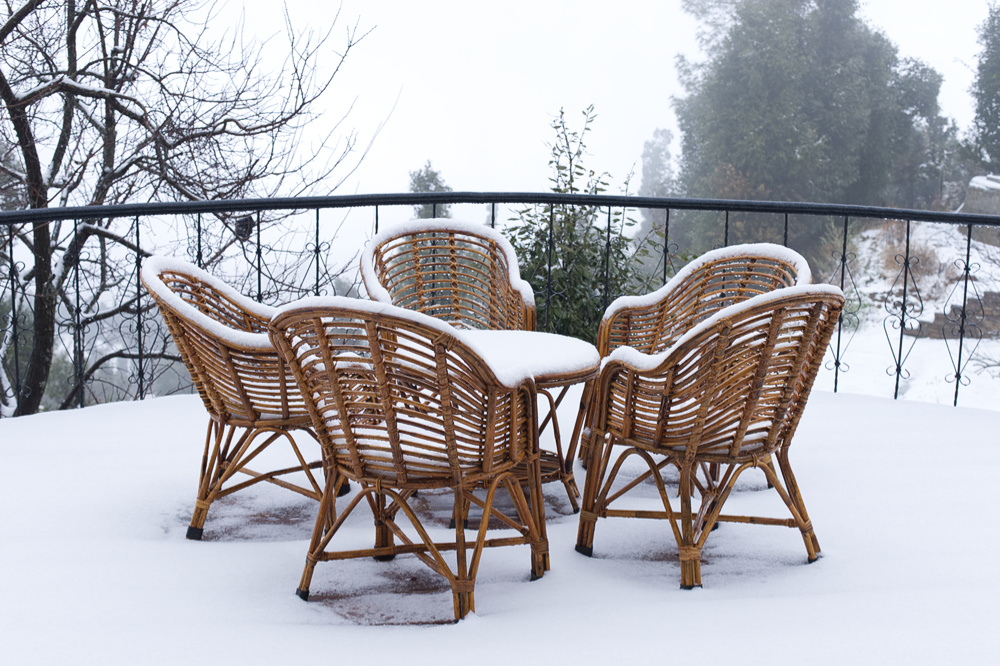
Avoid these 5 mistakes! (Not related to camera)
Everyone makes mistakes. I did and still do. From creating film-rolls which were a total waste to present day digital files from which not even a decent image can be recovered. Yes. I do commit mistakes and keep on doing so. Here is a list of non-technical mistakes that I find quite common (by me and my photography colleagues). Some of them are technical whereas others are related to expanding our visualization of photographs.

Food Photography
With so many beautiful and delicious dishes to savour, that we keep seeing at different places and different times of the day, it is therefore natural for the photographers in us to capture some of these creations. Food photography is flooding the instant messengers and from a professional point of view also, the demand is increasing.

Getting out of laziness
Though photography always takes up the a high place in the list of my priorities, sometimes laziness comes in the way. Getting out of the bed, early in the morning, to catch those wonderful fleeting moments, can sometimes be a task in itself.
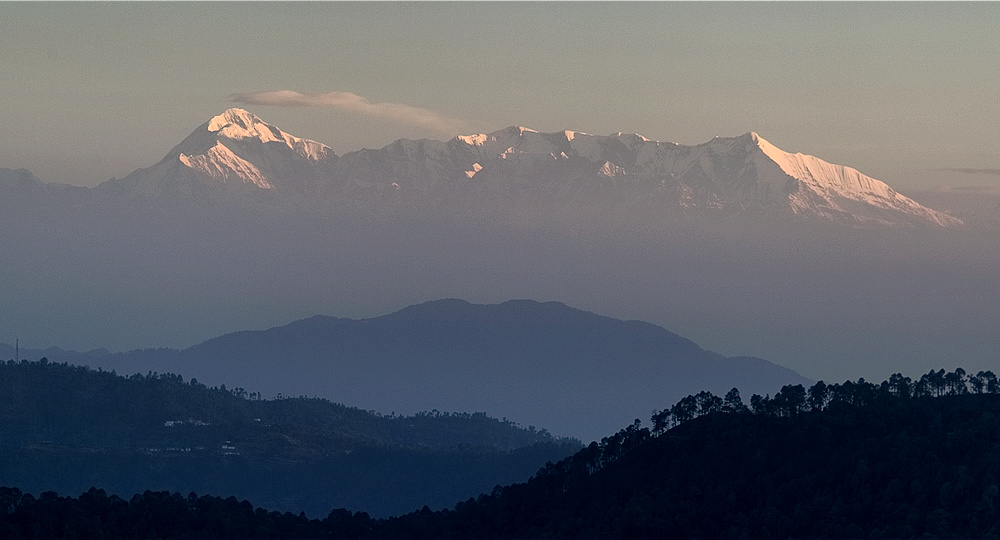
The Stairs Photograph – Improving Composition
Old monuments can be quite interesting to photograph. They are stationary. No need to focus in a hurry or set a high shutter speed to freeze the moment properly. On simple handy cameras, all that is required is a good composition, aperture to have enough depth of field and shutter speed to prevent any inadvert hand shake!
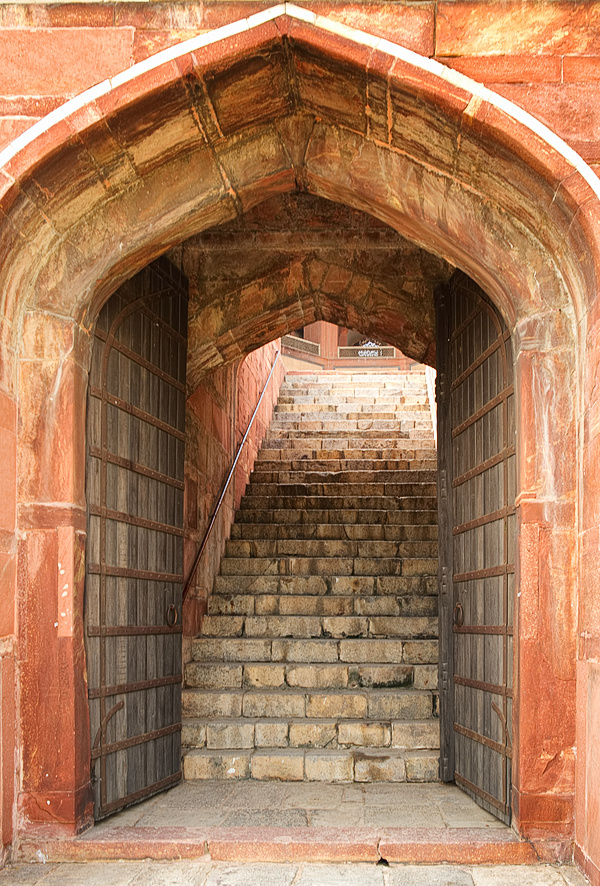
Continue reading The Stairs Photograph – Improving Composition
Capturing Clouds
With the onset of the rainy season, the sky gets beautifully covered with clouds. Instead of getting scared by rains and storing away the camera, why not capture their beauty?
Photographing Small Insects
Small insects have their own kind of world which very few are aware of. Photographing small insects is quite pleasing and full of some wonderful surprises. Though quite similar to macro photography and butterfly photography, photographing small insects requires a different kind of skill set and a different way of photographing things.

Making of a Photograph
Innumerable number of photographs get clicked everyday by snap-shooters and photographers. A very very minuscule number of these photographs are worth taking a second look. What goes into making a photograph is a thought process and visualization of the final image. Here is a ‘behind the scene’ story of making a landscape photograph.
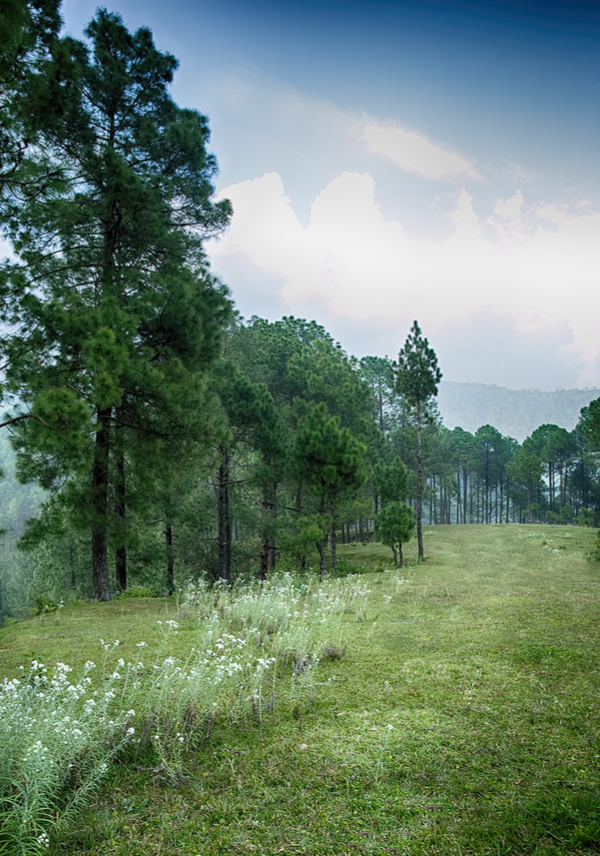
(Pasture in a forest. A very attractive location for photography)
Story in a Photograph
Every photograph has a story behind it. It means something to the photographer. There would have been incidents, anecdotes or thoughts that led to that image. The gap arises when the photographs fail to convey these stories. This is the medium we have to convey our thought and experiences. So, is it not obvious, that our photographs should also tell these stories?

Candid Photography
Some of the best photographs are created when a fleeting moment is captured to convey a story which otherwise can never be said in posed photographs. These spur of the moment scenes are what photographers long to capture. Once captured, these once in a life-time moments become candid shots.
There is a creative fraction of a second when you are taking a picture. Your eye must see a composition or an expression that life itself offers you, and you must know with intuition when to click the camera. That is the moment the photographer is creative. Oop! The Moment! Once you miss it, it is gone forever. – Henri Cartier-Bresson

Photographer’s Block
There are times when the artistic instinct suffers a mental block. Writers don’t know what to write. Sometimes they sit with a blank paper not knowing where to start. Similarly photographers too suffer a mental block. The creative side of our mind stops working. What do the photographers do then? Most photographers end up clicking mediocre images, just for the sake of capturing. A few others don’t use their cameras and end up brooding and even sad.
Capturing Sun-rays
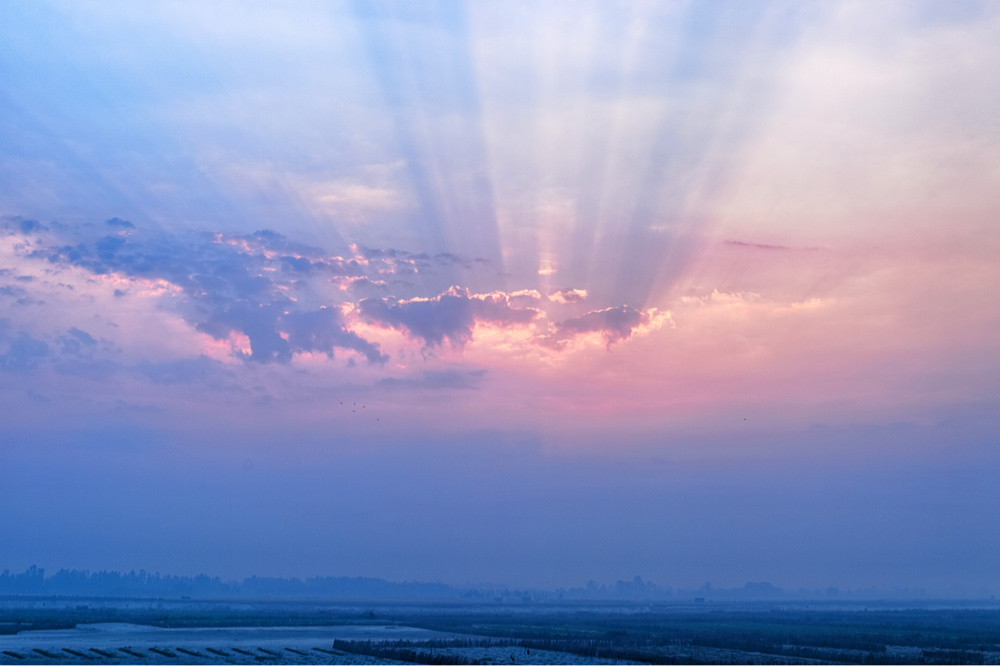
Sunlight that appears to look like rays in a landscape, is very attractive to look at. These rays can add the magic to even the simplest of landscapes, transforming them into works of fine art.
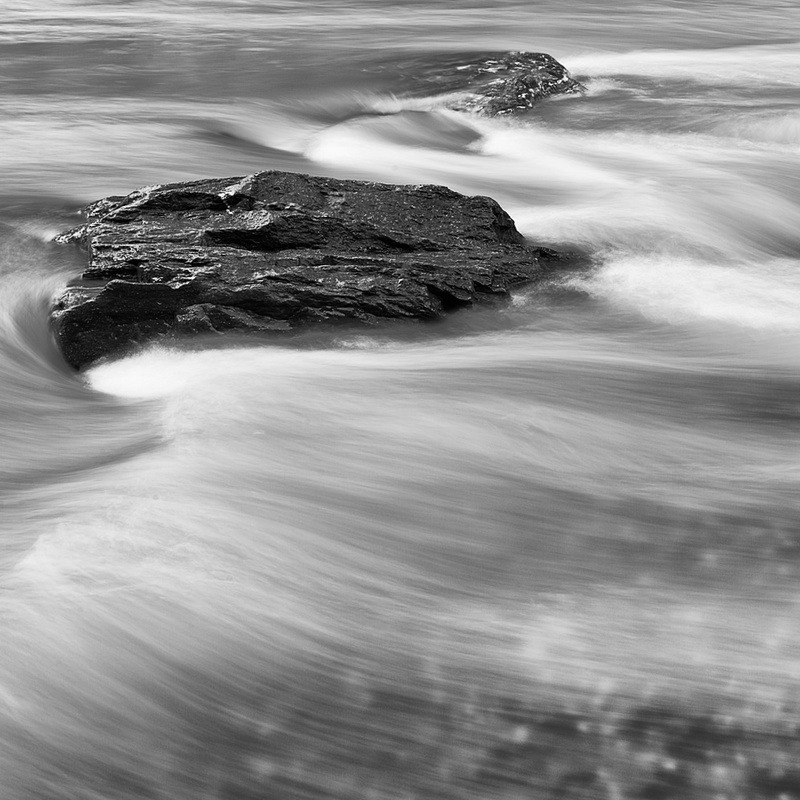
Mountain Stream & Long Exposures
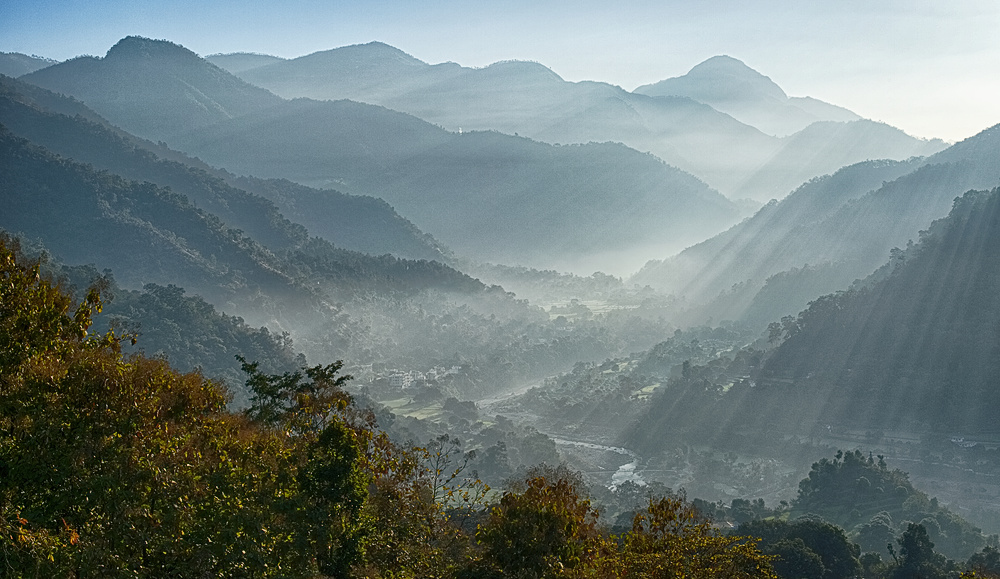
In the midst of the spell of cold weather, there was a day with clear sky and good sunshine. What more could a photographer in me ask for? I packed my camera and tripod and visited a nearby mountain stream. My purpose was clear. I wanted to capture some motion blurs.
Learning from Monet
Learning from Rembrandt has been appreciated by many of my readers and so based on their request here is another similar article.
Oscar Claude Monet was a famous french painter, who is well known as the founder of french impressionist painting movement. He took his painting outdoors from the studio and painted mostly landscapes. The impressionist movement itself consisted of putting across ideas to the viewer more strongly rather than focusing on accuracy of natural elements. As is the case with most painters, even Monet can be great source of learning for photographers too.
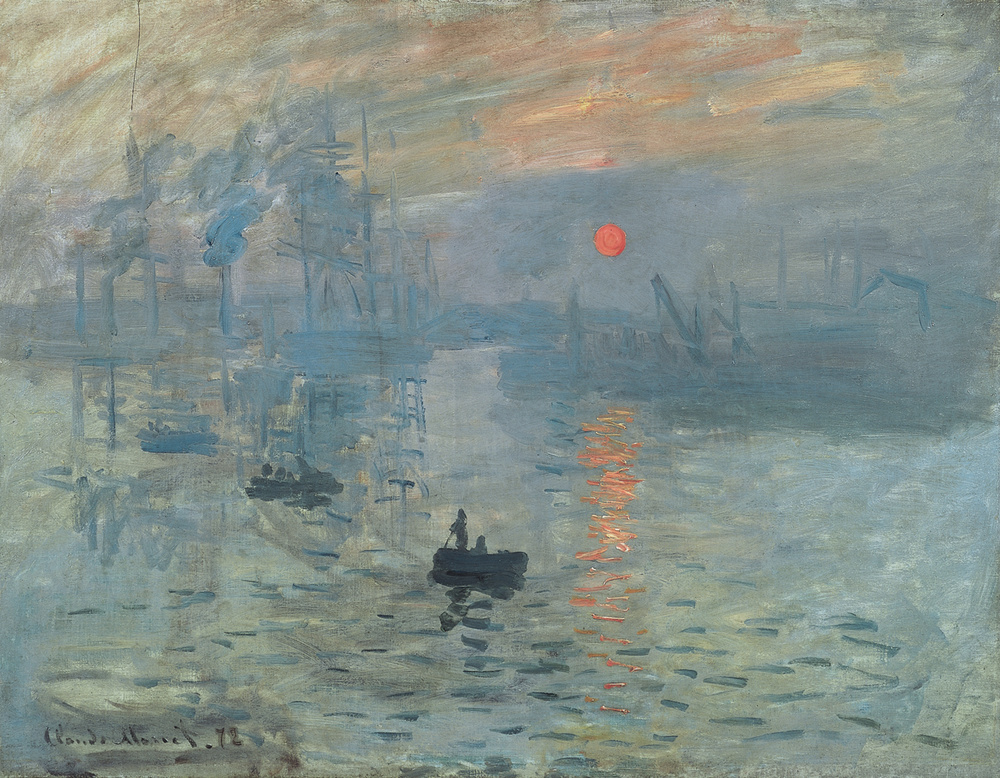
(Impression, soleil levant – the hallmark painting of the rising sun which gave its name to the art movement)
Continue reading Learning from MonetStand out from the crowd
With the easy availability of cameras and at very affordable prices, the number of people clicking photos is at its all time high. Some famous photographers have gone to the extent of saying that anything and everything that can be photographed has already been photographed. So, how do you make your photograph stand out from the crowd?
HDR Photography
Since the time photography started, photographers have been trying to capture the maximum possible range of lighting conditions in their photographs. Ansel Adams perfected the zone system and worked on burning & dodging techniques in his darkroom. Film companies researched and came out with films that could capture higher and higher range of exposure values. High Dynamic Range photography was yet another step towards this.
Learning from Rembrandt
Rembrandt Harmenszoon van Rijn was a dutch painter whose works are well known and extremely valued across the world. His paintings cover a great deal of subjects starting from portraits, self-portraits (selfies?), landscapes and even biblical scenes. There’s a great deal that painters learn from his works. Rembrandt’s works can also be quite useful for photographers.
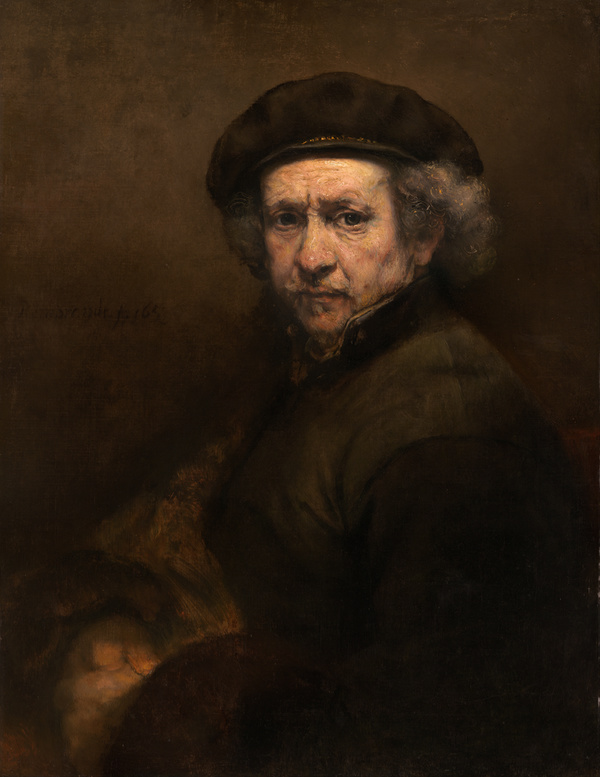
(Rembrandt van Rijn – Self Portrait)
Portraits
Photography was initially popularized by its use in portrait photography. Initially Daguerreotypes made their presence known as inexpensive alternatives to miniature portrait paintings and then over the following century, photography reached every nook and corner. Even today, most consumers buy cameras to capture beautiful photographs of their near and dear ones.
Photographing Children
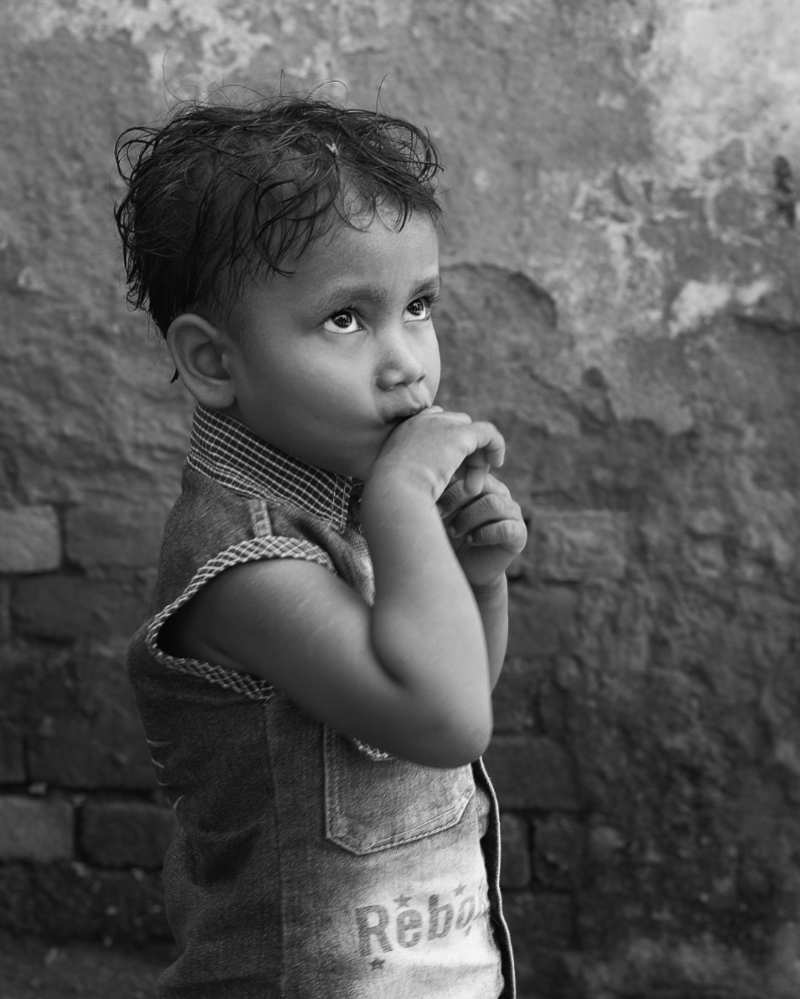
Children are fast and full of energy. Getting them to stand at one place and photograph never works. Capturing them in a manner that shows their energy and enthusiasm works.
Razor sharp images
Every photographer wants crisp and sharp images, yet quite frequently the results can be disappointing. Here are some quick tips to achieving the sharpest images possible with your existing gear.

(Nikon Df with Nikkor 200mm AI-s lens at f/8, 1/100 sec)
Photographing Sun
Sunrises and sunsets are beautiful. Solar eclipses are intriguing. An image of the sun stealing a glance through clouds can create drama. However, when can the sun be included in the photograph is a big question that many people face. Should it be a part of the frame or not? How about the damage that it can cause to the camera?
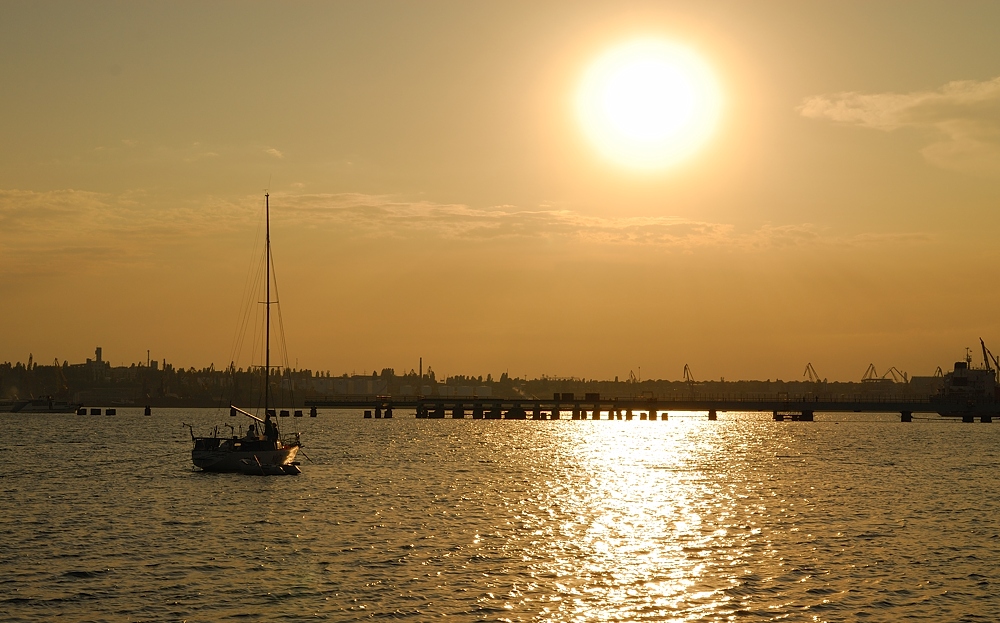
(Bright sun in a photograph can also look extremely bright and even disturbing, but don’t worry. It does not damage the eyes. Staring at it can play tricks with retina leaving an after-image but the effect is temporary.)
Photographs that got away!
How many of us have missed photographs that could have been captured? That fleeting decisive moment of Henri Cartier Bresson or the perfect landscape of Ansel Adams! Even the exact pose of that beautiful bird that happened a moment too soon. Even among the hundreds and thousands of photographs captured everyday, missed photo-opportunities always keep coming back to upset us.
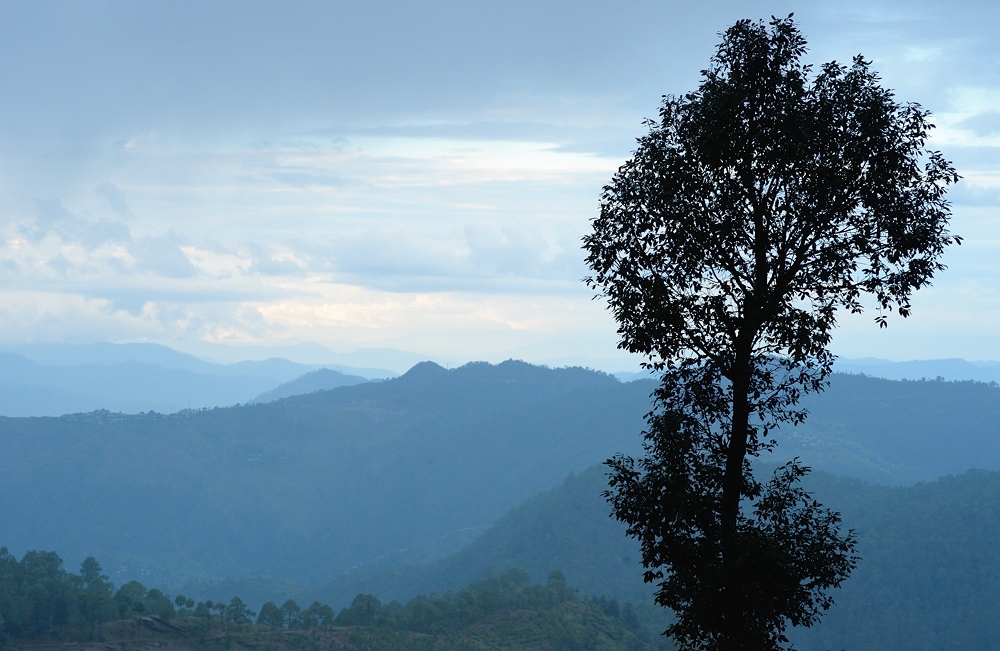
(While capturing the large oak in front of the distant hills, I missed out on the squirrel that came to see what I was doing)
Old Buildings
Old buildings carry with them a mystery and character which unfortunately is missing from the present day architecture. For photographers these can be quite an interesting subject. The various forms that they present combined with the interplay of shadows can be a rich source for creating interesting compositions.
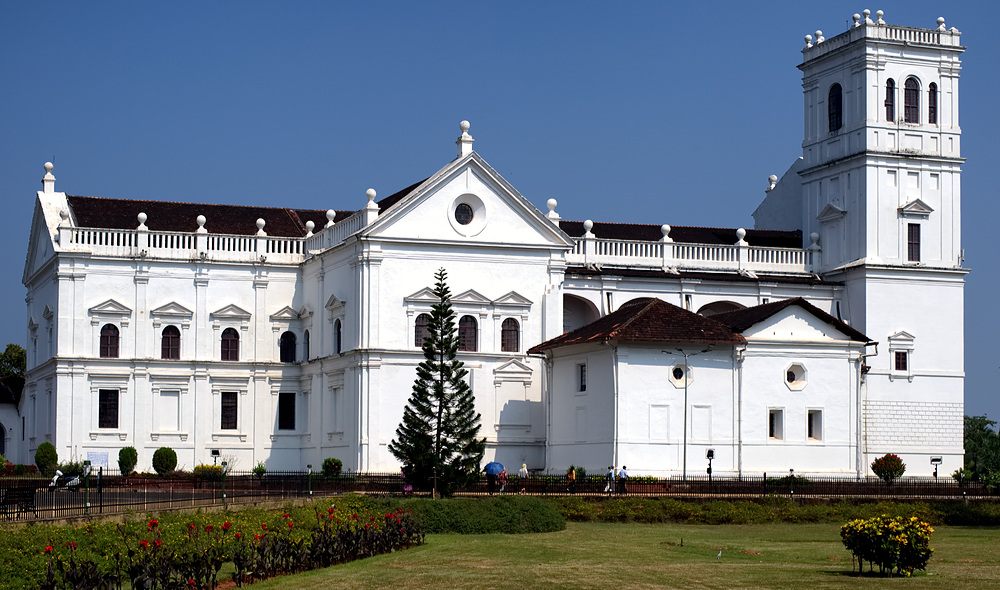
(A church in Goa – Nikon Df with Nikkor 50 mm lens, f/8, 1/1000 sec at 100 ISO)
Knowing Where to Stand!
“A good photograph is knowing where to stand.” – Ansel Adams. Knowing where to stand is a part of the process of Visualization. How the various elements in a composition interact with each other in the scene is also determined to a large degree from where the photograph has been captured. Even a few inches of difference in the place where a photographer stands can change the whole meaning of the photograph.
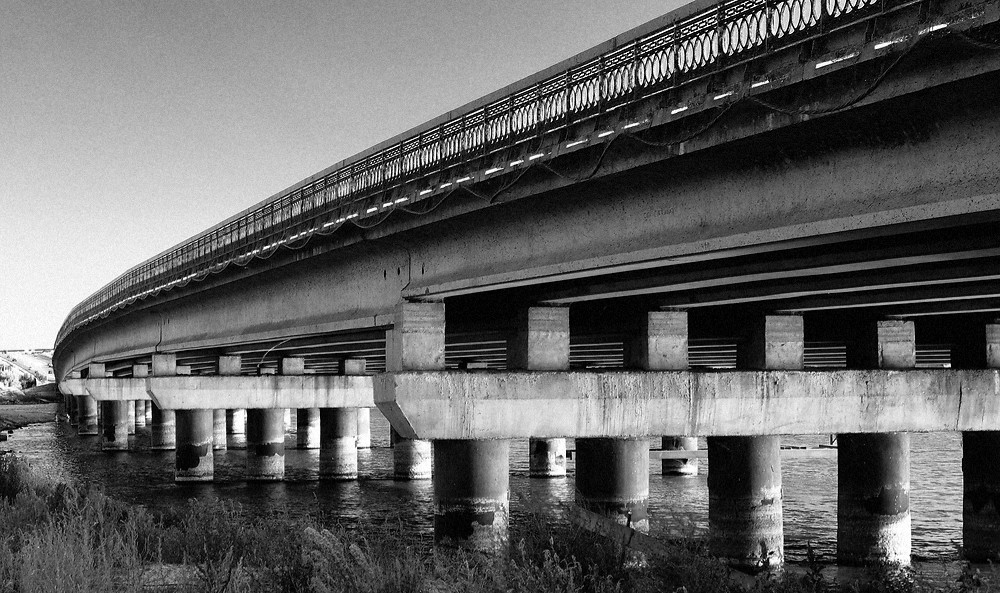
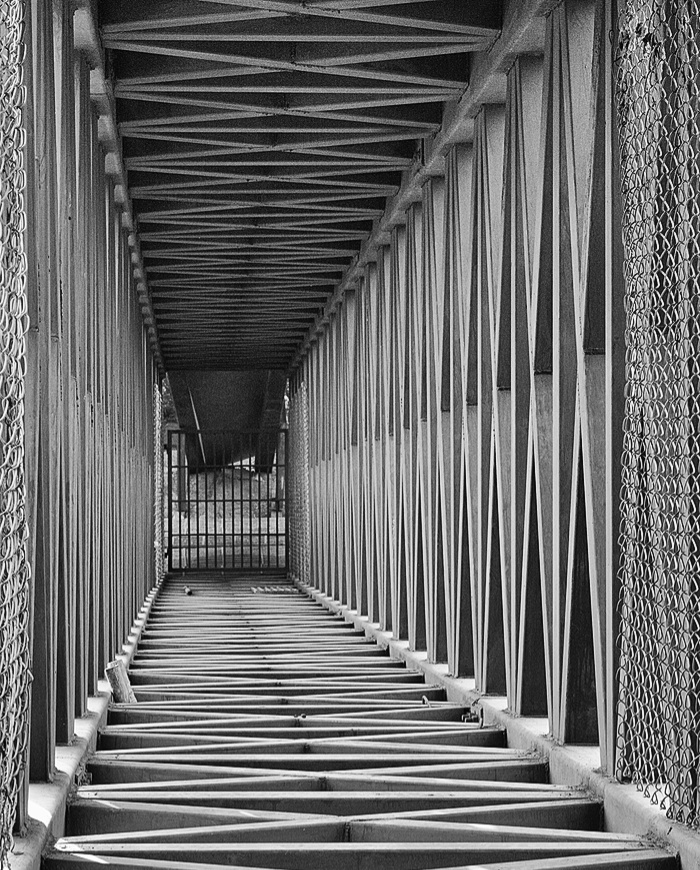
(Bridge from down under – Nikon D200 with Nikkor 35mm at f/8, 1/25 sec at 100 ISO)
Photographs without People
Photography is an essential part of vacations for most people like me. Whether you agree or not, one of the most attractive prepositions for a vacation is an opportunity to indulge in photography. Even though human element looks good in most photographs, every once in a while we would love to capture photographs with no people in them. So how do we do it especially when the world population is so high and even the least popular tourist destinations seems to be full of people?
Beyond the Blue Horizon
“Beyond the blue horizon, Waits a beautiful day, Goodbye to things that bore me, Joy is waiting for me” …
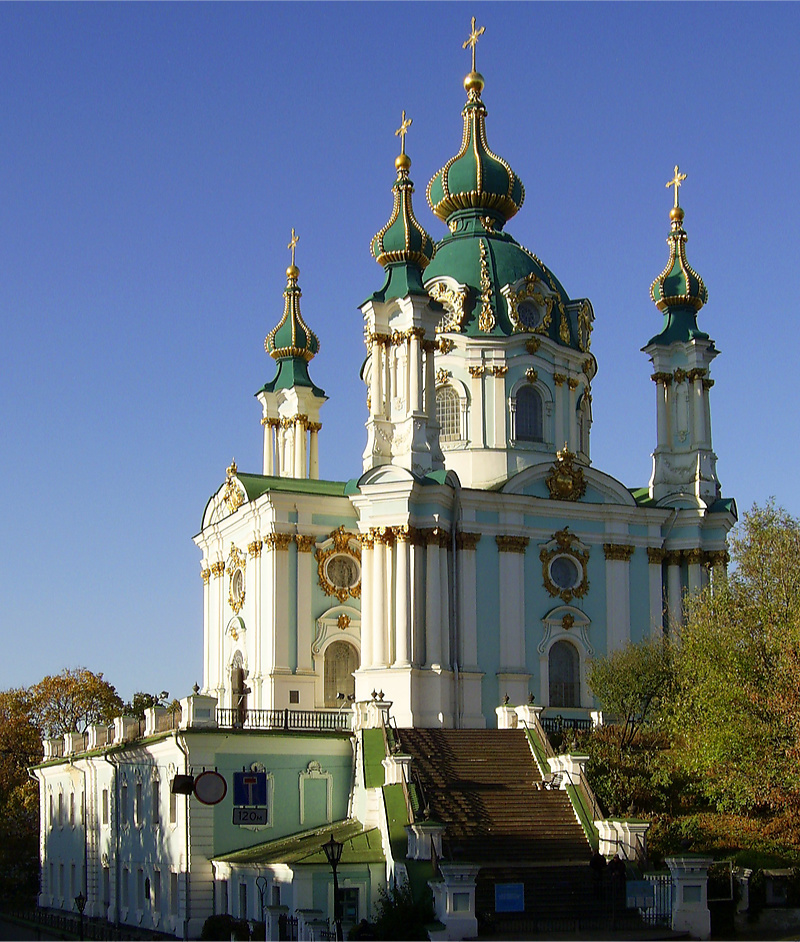
Horizons add depth to landscapes. They show how vast the scene is in the photograph. Though horizons end up being a part of most landscape photographs and of various other genres too, very rarely do photographers give any special attention to it. The photographers should realize that the horizon is actually a very strong line in the composition.
Creating Motion Blurs
Since long time, photographers have used slow shutter speeds to convey movement in their photographs. A blurred image can convey movement and sometime the speed of the movement can also depend on the amount of blur. The basics for creating motion blur are simple. The only limiting factor is the creativity.
10 Fears that bind photographers down
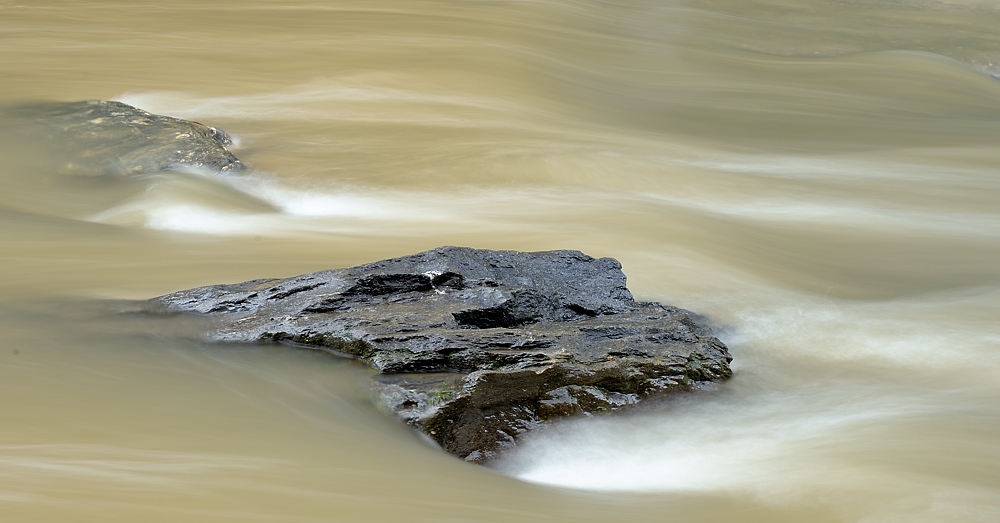
Every photographer wants to create masterpieces. Buying a camera is easy, learning the basics is also not difficult. Next comes learning to visualize and compose. Ideas start forming in the minds that get expressed using powerful photographs. However there is small problem here that prevents most photographers from progressing to artistically creative from their technically sound status. Each and every photographer has some fears which prevent this metamorphosis.
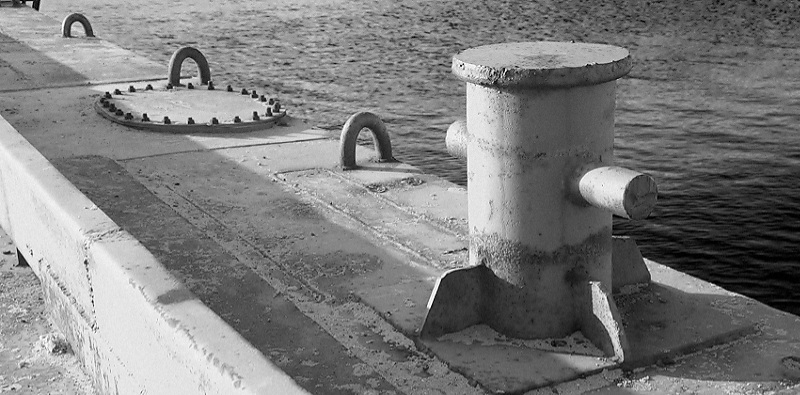
(Mooring – Nikon D200 with Nikkor 18-35mm lens)
Time of the day
“What makes photography a strange invention is that its primary raw materials are light and time” – John Berger. The Booker Prize awardee has summed up in this statement of his, an aspect which every great photographer exploits, to create the best masterpieces. Understanding light is important for photography. With every passing minute of the day, the light varies. The quality of light changes. The weather conditions further define its character.
Capturing Sunsets
The interplay of light, the mingling of colors and quickly changing scenario make sunsets a favorite subject for photographers. Every evening the colors are different. Each sunset is different from another. A nicely captured sunset can be a very satisfying effort.

Learning to Visualize
The first step to any photograph is Visualization. This is the way a photographer sees the scene in front and composes a final print even before pressing the shutter release button. Visualization is one third of photography, the remaining two thirds cover up everything from camera settings to post-processing and the final print.
Infra-Red Photography
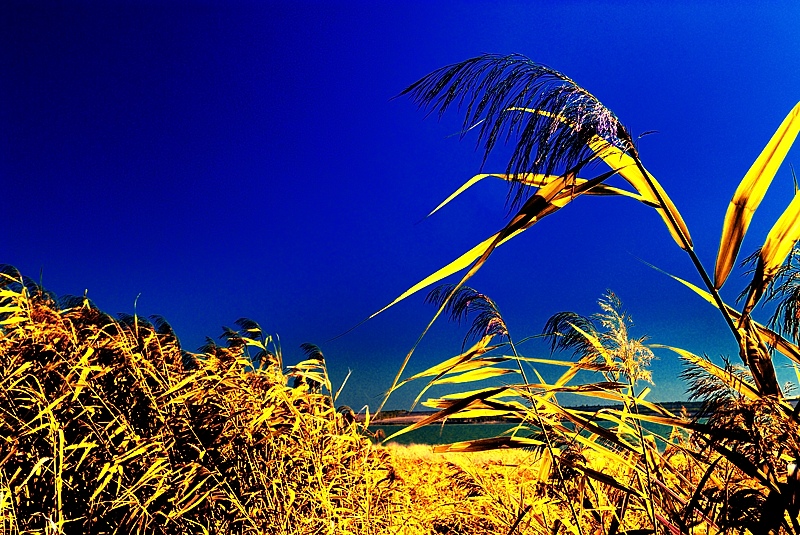
Infra-Red Photography is a very old technique of capturing near-IR spectrum of light. As is the case with many inventions, IR photography started out, of a very specific need during the war time. This need was to demarcate buildings and people from trees and other vegetation. What started as a technique to identify targets during war is now an art-form. In IR photography, the visible spectrum is mostly discarded and only the wavelengths from above 700 nm are used for photography. The results are very interesting, different and quite attractive to look at. Technically these wavelengths are near-Infrared but in photography this has come to be known as simply IR.
Street Photography
“There is a creative fraction of a second when you are taking a picture. Your eye must see a composition or an expression that life itself offers you, and you must know with intuition when to click the camera. That is the moment the photographer is creative. Oop! The Moment! Once you miss it, it is gone forever.” –Henri Cartier-Bresson, one of the earlier practitioners of street photography.
Lomography
Lomography is the hottest movement to hit the photography scene in the last few decades. Some call it real art and an expression of oneself. Some others consider it childish and nothing to do with photography. Opinions are divided. Lomography is interesting. It is weird. If there ever was a hippies movement in the photography then this is it. It has taken the form of a cult now. Above all, lomography can teach a lot of things.
Low and High Key
With the ease that comes with various sliders to control exposure and saturation, almost every photograph that goes through processing comes out making full use of the available range. Histograms are spread all across the values and the Curves tool users now make sure to use each and every value that can be employed for displaying the pictures. The pictures look good, full-bodied, rich in tones and colors but they sometimes lack the emotional impact. The art of creating low and high key images is getting lost.
Prevent buildings from falling
Leaning Tower of Pisa is famous because of its tilt. Photographs show it as tilting bell-tower, getting ready to fall. Beautiful and interesting! However, if you are photographing anything else, tilted buildings look weird. We don’t see the buildings around us falling over so why should our cameras do so?
Fibonacci Spiral and Photography
Leonardo Bonacci (Fibonacci) was an Italian mathematician, sometime in the middle ages. He is best known for his sequence of numbers called Fibonacci Sequence. This is a series of numbers where each consecutive number is a sum of the prior two numbers (1,1,2,3,5,8,13,21,34,55….. and so on). Though these numbers had been known to Indian mathematicians many centuries earlier, they were introduced to Europe by Fibonacci and caught the media attention some years back with the publication of Dan Brown’s novel, The Da Vinci Code. Painters have long used this sequence knowingly or unknowingly to create beautiful artworks and now photographers over the past few decades are understanding to use it.
Fog – Capturing its Mystery
Fog is mysterious to look at. It can give a wonderfully moody and ethereal feel. The contrast runs low, harsh shadows are missing and usually fog is also accompanied by low light. Difficult though it may sound, in reality making good pictures in fog gives a very satisfying feeling.
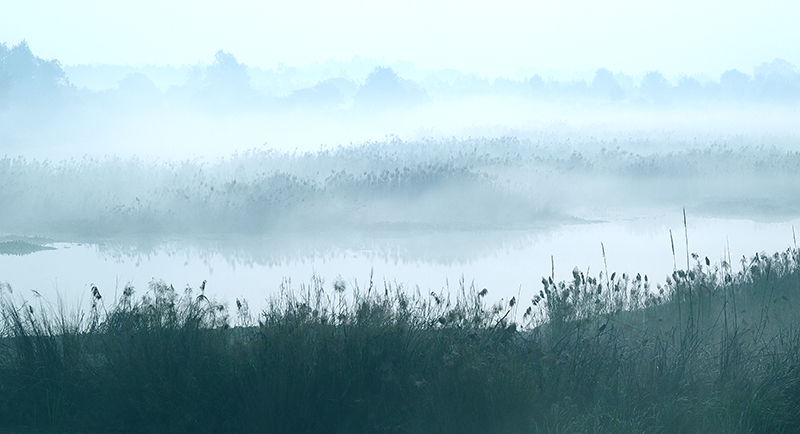
(Early morning fog – Nikon Df with 135mm lens)
Panning
One of the easy techniques to master and yet panning is rarely used by even the accomplished photographers. Panning when used properly can show motion in a very convincing way. Simply put, it is tracking the movement of a moving subject with the camera and capturing the moment. The result – a sharp subject and a blurred background with streaks showing movement.
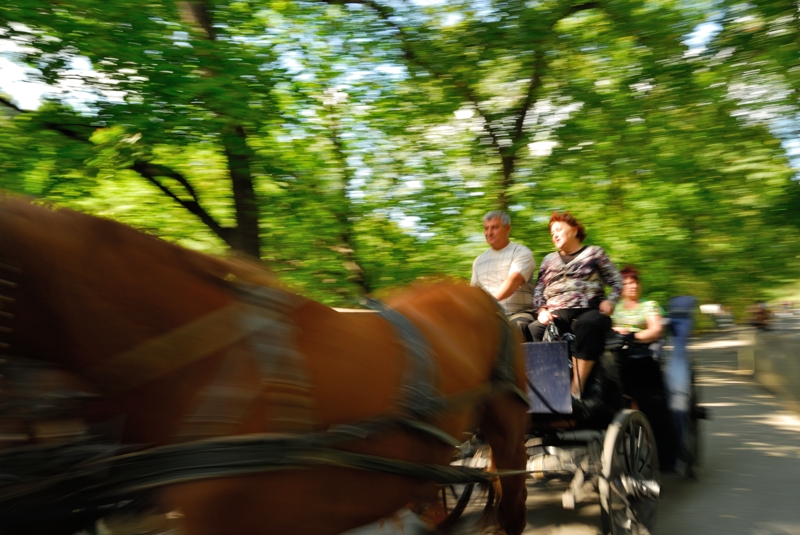
(Horse driven carriage speeding by – Nikon D200 with Nikkor 18-35mm lens, f/8, 1/10 sec)
Using colors effectively
Photography is nothing but a representation of light. Colors play a vital role in photography. The world around us is full of colors. So how does one make use of the colors beyond just capturing them as they are?
Flash and Tripod – Not allowed !
Every time I visit a museum, old heritage buildings or even religious structures, I am faced by signs saying ‘no flash and no tripods’. Quite a few places completely prohibit photography. I’ll talk about museums here but the same is applicable to all the other places too. The first question that comes to the mind is why the flashes and tripods are not allowed. Are monopods allowed? Can continuous light sources be used? Why is photography itself prohibited at many places?
Black & White
Black and White photographs have a magical quality to them. I find them pleasing to look at. So, what exactly makes them look good? A philosophical question – Would Ansel Adams have used Black and White film for his landscapes if good quality color film would have been available since the beginning? How about Henri Cartier Bresson using color films on his Leica? Paul Simon sang about how Kodachrome gives us those nice bright colors (and also further in the song- Everything looks worse in Black and White).
To Chimp or Not To
‘Chimping’ is a slang used in photography world to name the habit of reviewing every photograph, immediately after it is shot. Old photographers frown on this habit. New photographers say that if preview screen is available then why not use it. Both of them are correct.
Composition Rules – Interpreting Images
If you have already read my two other posts related to commonly used clichés in compositions, then try to interpret some of the images below. I have also given an explanation why the photograph appears strong but read that after you have formed your own opinion about which common composition rules or clichés are in play. Remember your own opinion is more important that these so called rules, which quite frequently I despise of.
Planks
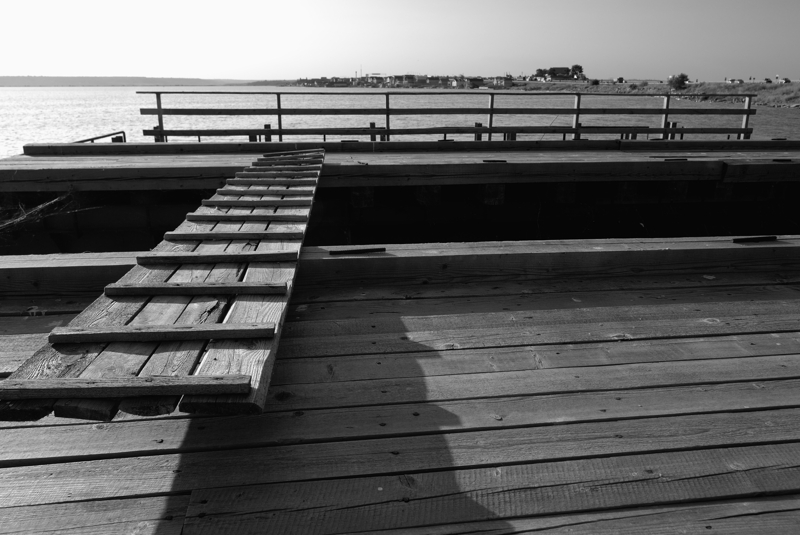
(Nikon D200 with Nikkor 18-35mm at 18mm, f/8, 1/90 sec, ISO 100)
Composition Rules – Part II
This article is in continuation with Composition Rules – Part I and covers some more rules of compositions.
Human Element
Humans in general love company. It is once again the evolutionary aspect in play. Since ages, people have lived in groups, hunted in groups and even fought wars in groups. Our subconscious finds comfort when other humans are around. It is therefore natural that presence of humans adds an interesting element to most photographs. Though not all genres of photography blend well with human element. Sometimes they can also be a distraction. Very careful use of human element can add drama to otherwise mundane photographs.

(Tea plantation with workers picking tea leaves at a distance)
Composition Rules – Part I
Composition Rules or Clichés, as I like to call them, have been used by artists since long and for the last many decades, photographers have also started using them to their advantage, calling them the ‘rules of composition’. These play on the creative side of our brain and guide our subconscious mind across a photograph. Some of these are highly debated ones. Proceed at your own risk. Risk of loosing your own way of looking at things!
Leading Lines
Some objects that have a a difference in color, contrast or texture, tend to associate with one another. When seen from far or from periphery of our vision, they form structures or lines. Sometimes there may be shapes in an image that are actually lines. These lines tend to lead a viewer’s eyes from one point to another. Culture and education also modifies this to an extent. Leading lines is one of the commonly used clichés that almost always works.

A strong composition
What is a strong composition? Most of the advanced photographers who come to me end up asking this question.
In simple words – A strong composition is the one that puts your idea clearly. Ansel Adams has said, ‘There is nothing worse than a sharp image of a fuzzy concept.’
Continue reading A strong composition