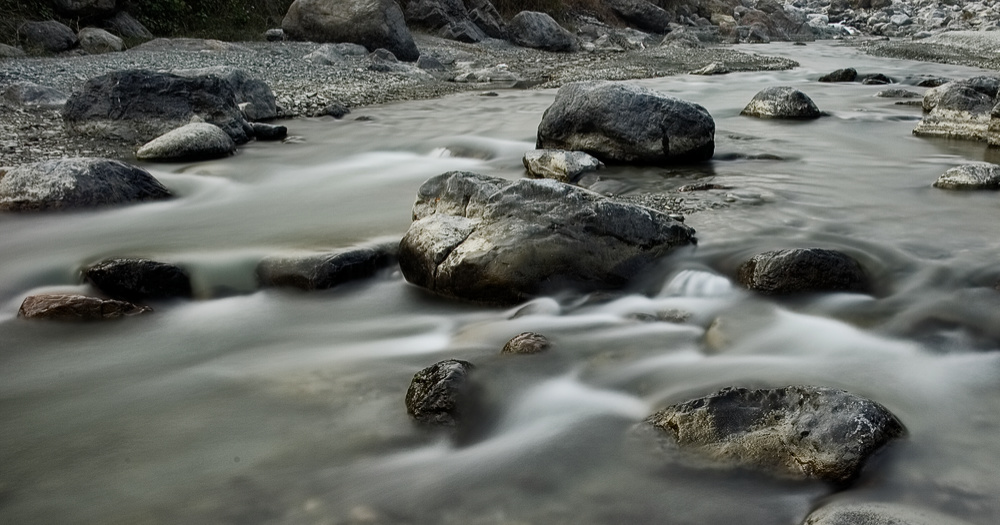
Depth of Field – a term that describes how much of the scene in front of and behind your subject appears sharp and in focus. Achieving the desired depth of field can be challenging for many photographers, but understanding its principles is essential for creating compelling images.
Continue reading Depth of Field – Aperture, Hyper-focal Focusing, Focus StackingAuto ISO
Gone are the film days and gone with that is the fixed light sensitivity of films. Now the ISO can be changed with just a turn of the dial or through a simple setting in the menu. How does this help?
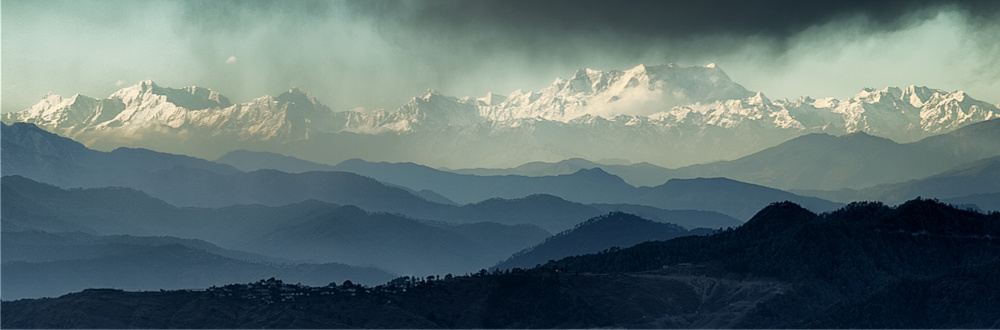
Obsession with Manual Mode
The oldest camera mode is the Manual Mode. It is still found on all the present day cameras on the mode dial. An obsession for some, headache for some more and an unknown dark alley for most, manual mode is an interesting little mode in present day cameras.
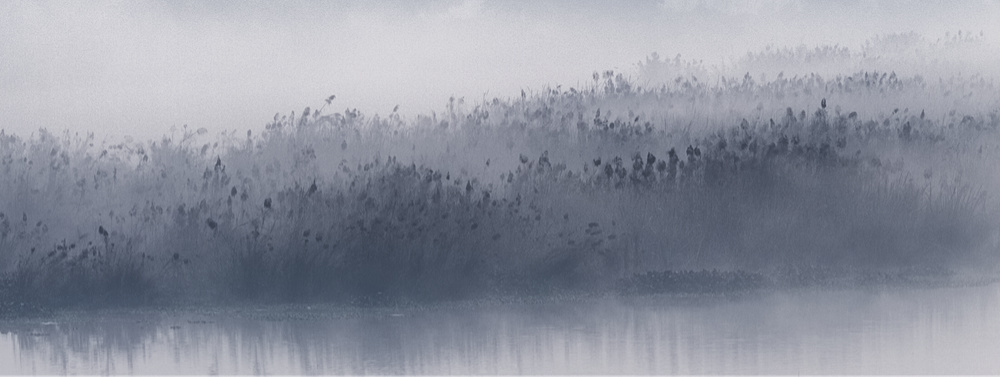
Silhouettes
Silhouette is an old art-form that is used to move emphasis to shapes and outlines. Origin of Silhouettes is a matter of debate, with some theorists going all the way back to vanished civilizations. My first serious encounter with silhouettes was when I saw some photographs by Henri Cartier Bresson where the main subjects were just black shapes. Before writing this article, I discussed the first encounter of silhouettes by some other photographers. I got quite a collection of answers with the top three interesting being – the silhouette of the queen on postal stamps of England, the silhouette of Beethoven in an old painting, the all too cliché photograph of the arch (in silhouette) framing the famous Taj Mahal

(Silhouette of Pines on a hill-top)
Exposure Values & Exposure Compensation
Reducing the overall brightness of the photograph being captured is what exposure compensation is all about. Apart from this, the exposure compensation can also come in handy for a lot of other interesting techniques as well.

Perspective
When you change the way you look at things, the things you look at change! In technical terms of photography, the way various elements in a composition appear to be separated from each other, is called perspective. This is a matter of confusion for many especially with the proliferation of zoom lenses in the market. Now zooms come as standard kit lenses with most DSLRs and so what some of the discussions on perspective and lenses earlier conveyed, is now confusing for many.
Learning to see light
Light is the fundamental tool for photography that every photographer should understand well. As a photographer, the way you understand light is very different to how everyone else understands light.
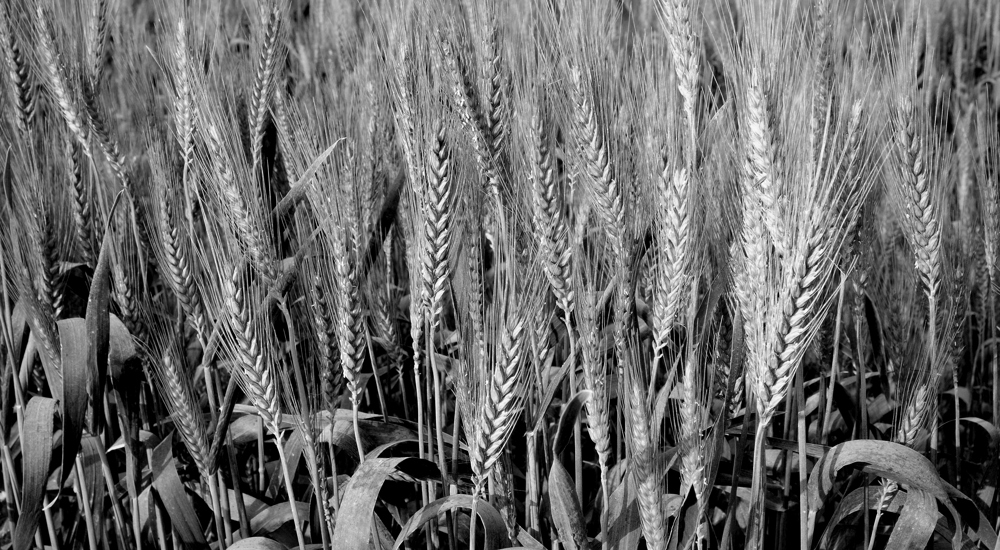
(Grains lit by hard sunlight – Nikon D200 with Nikkor 18-35mm lens, f/11, 1/25, 100 ISO)
Macro Photography
There is an unseen world in small details waiting to be discovered. Going close and photographing these small details is what makes macro photography special. There are different definitions for macro photography. Macro photography is generally termed as photographs that are taken at close proximity to the subject in a manner that the scene in front of the lens being captured is of the same size as the sensor. The lens has to focus really close for this.
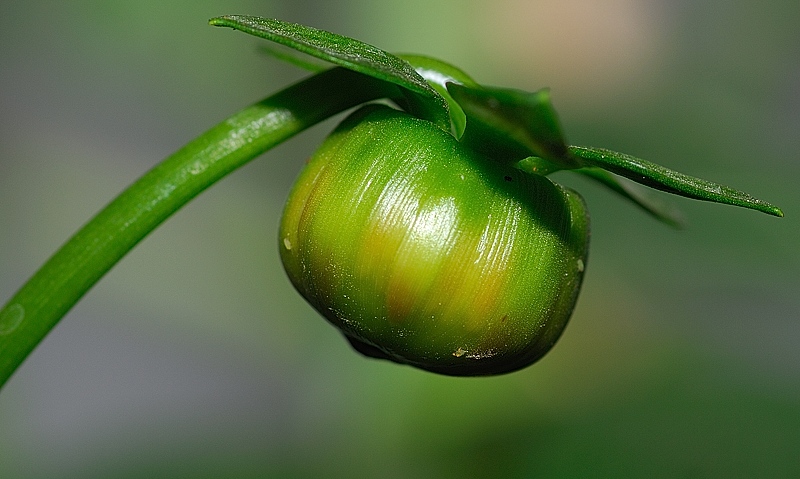
(Flower bud photographed with Sigma 105mm macro EX DG lens mounted on a Nikon D200 body, f/8, 1/250 sec at ISO 100)
Understanding Histograms
Preview screen at the back of the digital cameras is a wonderful tool to assess the exposure. Though present in all the good cameras, very few people use it. Histograms when used properly can be a very simple tool to take care of all your metering related problems.
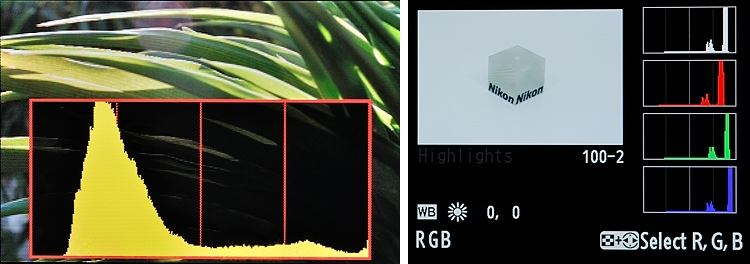
(Histograms as seen on a Nikon preview screens)
Bokeh – Making the most of it!
Quite frequently photographers use shallow depth of field so as to make the main subject stand out. However many photographers forget the effects of this blurred background on the overall image. Bokeh is a fancy term that is used to indicate this out of focus area.

(Decorative lights with Bokeh – captured with a 135mm lens at f/2.8, 1/160 sec)
Basics of Exposure
Exposure is the amount of light per unit area reaching the film or sensor. A well exposed film has all the tonal values it can capture. A well exposed digital image has a histogram spread across all the values. Exposure is what determines how the image is captured. This is a concise article on understanding exposure and the factors that determine it.
Camera Shake – How to avoid it?
Unintentional blur which is caused by camera movement can take a toll on good photographs. Large amount of camera shake appears as obvious blurs or multiple overlapping images. What many photographers do not know if that small amount of camera shake can soften the image without causing any obvious blurs. Camera shake is best prevented by use of some simple techniques and precautions.
How to learn photography?
“How do I learn photography? Are there any good schools near my home? Are there any good courses that can make me a good photographer? Which are some of the good books to learn photography?”