
After spending a few years with just the essentials, I’ve decided it’s time to move everything to my new place. Although it’s a small house, it boasts a stunning view of the hills. While packing, I discovered a drawer full of 35mm slides and transparencies, accompanied by a small portable slide viewer. This discovery was quite nostalgic and prompted me to take a moment to reminisce. Surrounded by these priceless memories, I let packing tape and cartons sit for a few extra minutes.
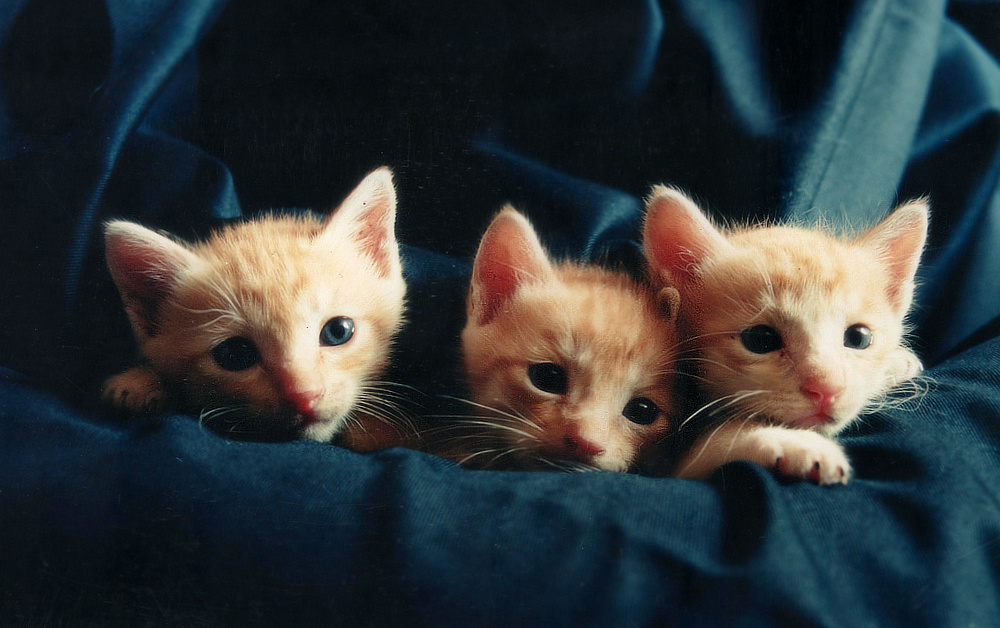
(Kittens – even after the flood of cute kitten pics all over internet and social media, I can’t help posting another one. Captured on Kodachrome. It imparted an old vintage look to all photographs. No digital filters required !)
Among my collection were two types of slides: the standard 35mm format, which I shot with my old Nikon SLRs, and a rare 127 square format. The slide projector was no longer working, so I only had a battery-powered slide viewer (Pana-Vue) to examine them. Although I’ve already scanned all my slides, holding the physical slides brought a different kind of experience. There was a profound emotional connection, as these slides evoked memories of the meticulous photography, the creative visualization, and the wonderful times I spent capturing them.
The Art was in Capturing
Unlike today’s digital era or the darkroom processes of the past, slides were created entirely in-camera, with no post-processing involved. The art lay in capturing the perfect frame, ensuring everything was right before pressing the shutter.
Understanding the right aperture and shutter speed was crucial, but getting the composition perfect was also essential. Slides were never cropped later, and any underexposure or overexposure was permanent. I often favored mild underexposure to achieve deeper colors, a common practice among photographers of that time. Graduated ND filters were used to manage exposure, and my go-to filters included polarizing, neutral density, and UV filters.
Changing the ISO meant physically changing the film roll. To switch ISO settings, I had to rewind the film halfway, release it from the sprockets, and load a new roll—a cumbersome process. Alternatively, using a different camera body with a different ISO film roll was another option, though it was not practical for a student like me. Honestly, I didn’t focus much on ISO back then. The lowest ISO films had the finest grain, and Fujichrome Velvia 50 was my top choice. Kodachrome was highly sought after and a treasured find in our small town. I wonder if Paul Simon’s song had any influence on its popularity. Living in a small town made it challenging to find good slide film. Whenever I could find them, I bought as many rolls as I could. Occasionally, I used obscure brands or even expired rolls.
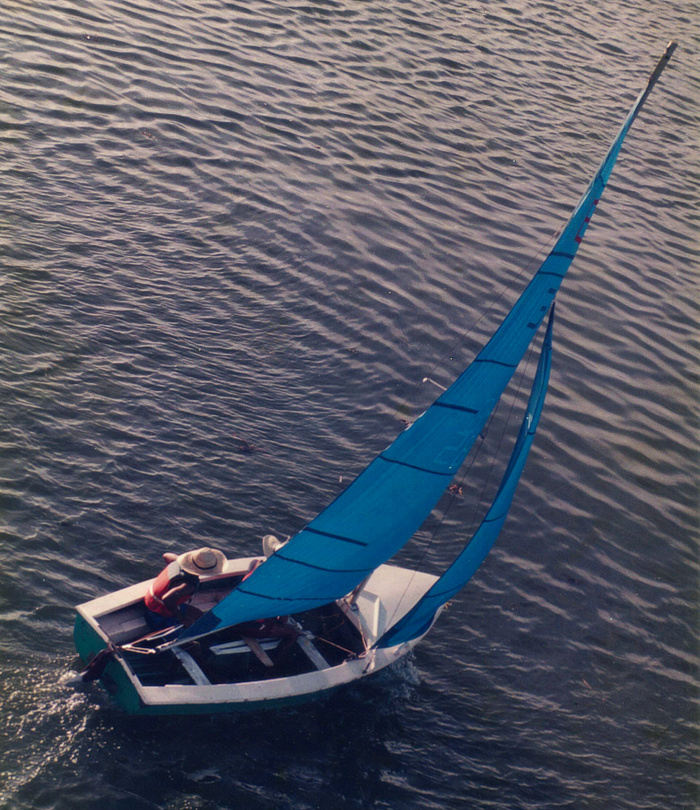
(A sail-boat’s snapshot. The slide film that I had used was an expired one and yet I enjoyed clicking this photograph)
A knock on the door. I came back to the present, sitting there on the carpet, surrounded by old slides. Maybe I should put the batteries in viewer, but where were the batteries? Already packed. Another knock on the door. It seems a buyer had come to purchase some of the furniture that we will be reducing. Ah… seems like someone else is taking care of that matter. I can get back to packing the slides… or maybe remembering all those fun times.
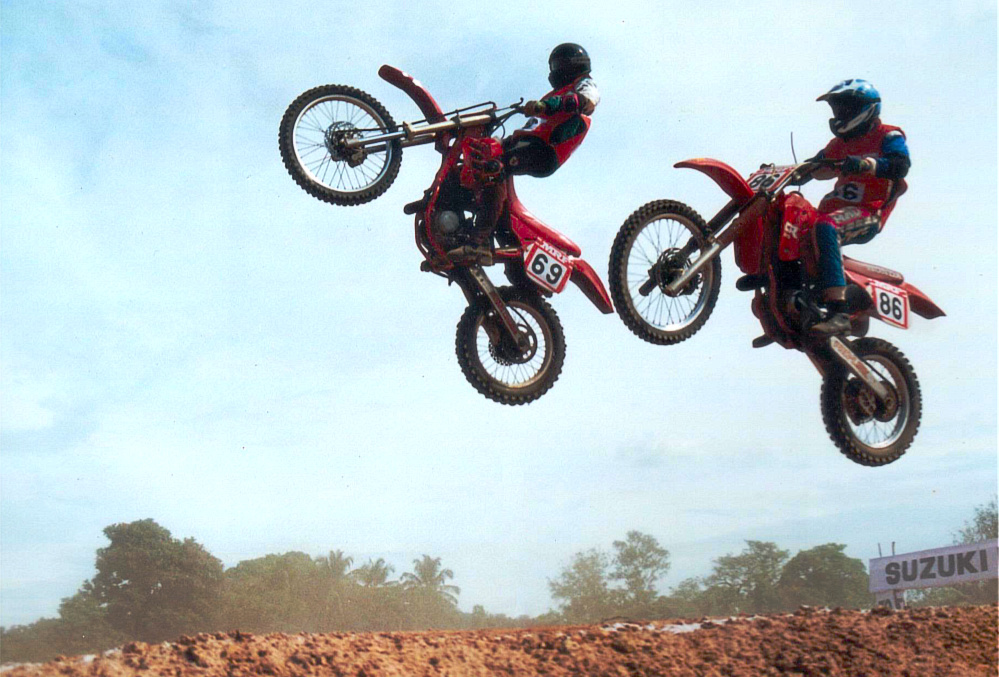
(Another capture on a no-name slide film. These no-name slide films and even the expired rolls were inexpensive and worked reasonably well at times. What mattered here was getting the placement of the bikes right.)
The Emotional Bond
Each film roll had a limited number of exposures, making every frame precious and filled with emotion.
For developing, I typically used a local corner store’s services. Slides were relatively straightforward to develop, though I occasionally experimented with the E-6 process, especially when I had the chance to print them as well (more on that later).
I loved the task of cutting each frame from the film roll and mounting them. The goal was to mount them perfectly, without leaving fingerprints—a true art form. Each slide was handled with care and affection.
Viewing slides was a unique experience. The real joy came when setting up the slide projector. My model used a tray where slides had to be inserted upside down. A remote control advanced them into the projector, and a white wall served as the screen. The setup felt like a celebration. Friends and family would gather, snacks and drinks were shared, the room lights were dimmed, and the projected images illuminated the wall in all their glory. The reds were deep and vibrant, the greens were refreshingly bright, and the blue skies were crisp and clear. Each image was a visual delight, but the best part was the company. We would chat about the projected images, share jokes and comments, and discuss behind-the-scenes stories. Even vacation photos brought those memories back to life as we reminisced together.
Printing the Slides
No, I didn’t reserve all the slides solely for projector use. For some of the better frames, I used the Cibachrome process to print them on paper. This did involve a bit of darkroom work, but I never fully immersed myself in it. Perhaps it was due to the meticulous nature of how the slides were captured, or maybe it was just my tendency towards laziness. Cibachrome was costly, and I only had the opportunity to use it occasionally, usually when a friend’s studio was closed for vacation. This friend was unique in that he would shut down his studio for weeks at a time, giving me the chance to use his excellent color enlarger.
Some of those prints are still with me—slightly faded but still vivid in my memories.
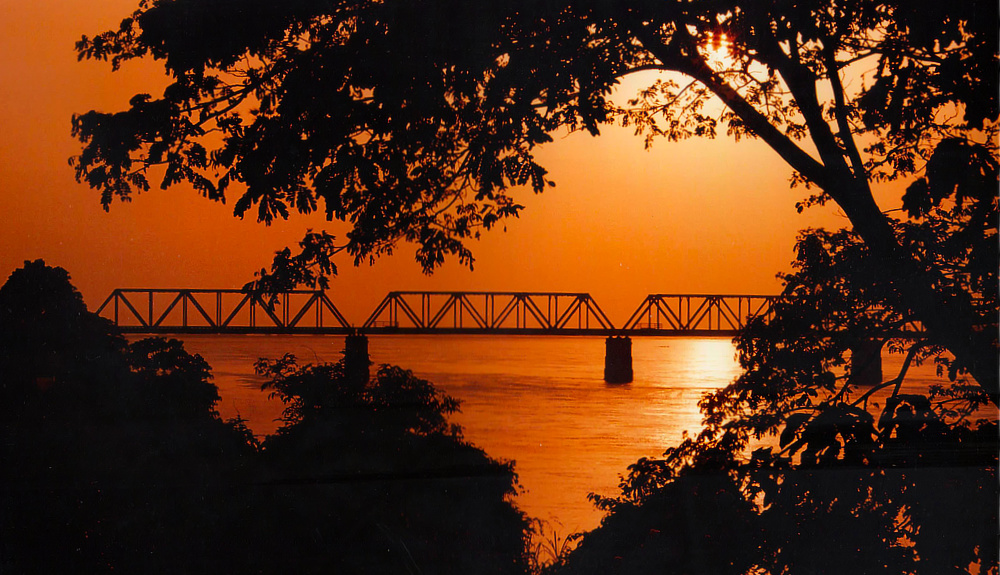
(Sunset on Netravati – an underexposed frame on Fujichrome Provia 100F to bring out the orange hue)
A Sad Goodbye.
As I packed up all my slides, a wave of fond memories washed over me. I had already scanned most of them, but as I carefully placed each one into the carton, I occasionally held them up to the streaming light from the window, reliving those moments. Once the carton was full and the slide viewer was added, I sealed everything with packing tape.
These slides were now set to be given away as a special treat to kids in the old neighborhood—landscapes and sceneries for them to enjoy when their phones die down.
This article, originally published on my photography site, is now archived here; while some details may have lost their original context over time, it still offers an intriguing read.
Complete list of archived content – Photography Articles
Discover more from Maini's Hill Cottages
Subscribe to get the latest posts sent to your email.

Really very senitmental for you and as well for me as you are leaving Kanpur. We always remember you….
Satish
LikeLike
I will keep visiting the city since my parents are still there. We will surely catch up sometime.
LikeLike
The photographs are great, and imbibe a certain aspect of past. One can actually feel the emotional depth in these shots. My favourites are the blue boat and the sunset.
Technology has made it all super easy to take a shot. But I think capturing something perfect is still an effort of love and passion.
Very well written!
LikeLike